Understanding Icterus and Its Management in Hazaribagh
Icterus, a condition characterized by yellowing of the skin and eyes, frequently signals an underlying issue, often affecting the hepatic organ. Within Hazaribagh, obtaining dependable and specialized assistance for this ailment proves vital for prompt recuperation and averting adverse outcomes.
Patients frequently express apprehension regarding this yellowing, largely because of its visible manifestations and potential association with severe hepatic disorders. This phenomenon can be understood as the body's signal that an irregularity exists in the processing of the yellow pigment.
What is Icterus?
The accumulation of bilirubin within the bloodstream leads to this disorder. Bilirubin is a yellow pigment produced during the normal breakdown of red blood cells. Typically, the hepatic system metabolizes this pigment for bodily excretion.
However, should the hepatic organ become diseased or impaired, or if bile duct obstruction occurs, the pigment may build up, resulting in the yellowing. This yellowing is a symptom, not the disease itself.
It sounds simple. It rarely is.
Common Causes of Yellowing
Various elements can precipitate this yellowing, impacting people across all age groups:
- Hepatic Ailments: Viral inflammation of the hepatic organ (hepatitis), cirrhosis (scarring), and hepatic carcinoma are major contributing factors. Viral forms of this inflammation, specifically types A and E, are prevalent across India. For example, ICMR data indicates over 1.2 million instances of viral hepatitis were reported in India during 2022.
- Bile Duct Obstruction: Blockages in the bile ducts may occur due to gallstones, tumors, or inflammation, thereby hindering bilirubin's exit from the body.
- Hemolytic Anemia: When red blood cells are destroyed more rapidly than their production rate, the body's processing capacity can be overwhelmed.
- Neonatal Icterus: A significant number of infants exhibit physiological yellowing during their initial week of life because their hepatic systems are still maturing. Although frequently benign, severe instances necessitate immediate attention.
Recognizing the Signs and Symptoms
The primary observable sign is the yellow tinting of the skin, sclera (whites of the eyes), and mucous membranes. Additional indicators may encompass:
- Dark-colored urine
- Pale-colored stools
- Abdominal pain or swelling
- Fatigue and weakness
- Nausea and vomiting
- Unexplained weight loss
- Fever
Ultimately, these signs mandate immediate clinical assessment to ascertain the underlying etiology.
Management Approaches for Icterus in Hazaribagh
Successful management of this yellowing relies heavily on precisely identifying its root cause. Hazaribagh offers numerous healthcare facilities and specialized practitioners prepared to address such ailments. The principal objective of intervention involves resolving the core issue, thus lowering bilirubin levels and easing discomfort.
Diagnostic Procedures
Healthcare providers in Hazaribagh employ various diagnostic instruments. These commonly comprise:
- Blood Examinations: Hepatic function tests (LFTs) quantify levels of bilirubin (total and direct), alongside enzymes such as ALT, AST, and ALP, which signify damage to the hepatic organ. A complete blood count (CBC) aids in detecting anemia.
- Imaging Studies: Ultrasound, CT scans, or MRI scans assist in visualizing the hepatic organ, gallbladder, and bile ducts, enabling detection of obstructions or anomalies.
- Hepatic Biopsy: Occasionally, a minute sample of hepatic tissue undergoes microscopic assessment to diagnose particular ailments of this organ.
Clinical Therapies
The particular course of action is largely contingent upon the diagnosis. For example:
- Viral Inflammation: Antiviral drugs are prescribed for specific forms of viral hepatitis, intended to suppress the pathogen and permit the hepatic organ to recover. WHO guidelines consistently stress rapid diagnosis and management for Hepatitis B and C.
- Bile Duct Obstruction: If caused by gallstones, procedures like ERCP (Endoscopic Retrograde Cholangiopancreatography) may be used to remove them. Surgery might be necessary for tumors or strictures.
- Drug-Induced Yellowing: When a pharmaceutical agent is the culprit, ceasing the causative drug constitutes the initial measure.
- Supportive Care: Fundamental components include rest, adequate hydration, and a balanced diet. Practitioners frequently recommend abstaining from alcohol and specific drugs that might further burden the hepatic organ.
Surgical Interventions
Surgical intervention emerges as a crucial choice when blockages prove resistant to endoscopic removal or when ailments such as hepatic carcinoma are identified. Operations can span from gallbladder removal (cholecystectomy) to more intricate resections or transplants of the hepatic organ.
The presence of sophisticated surgical proficiency in Hazaribagh guarantees that individuals requiring such interventions can access accomplished experts.
Newborn Icterus Management
For neonates, therapeutic approaches frequently include:
- Phototherapy: Exposure of the infant to particular light wavelengths aids in breaking down bilirubin within the skin, facilitating its bodily excretion. This method is widely adopted and dependable.
- Exchange Transfusion: For rare, severe instances, a segment of the infant's blood is substituted with donor blood to swiftly lower levels of the yellow pigment.
Caring for an infant with this yellowing presents genuine challenges, yet contemporary neonatal support offers efficacious remedies.
Finding Expert Icterus Specialists in Hazaribagh
Choosing an appropriate healthcare provider holds supreme importance. When pursuing care for this yellowing in Hazaribagh, individuals should seek:
- Experienced Hepatologists and Gastroenterologists: These professionals possess concentrated expertise in ailments of the hepatic organ and the digestive system.
- Reputable Hospitals and Clinics: Establishments featuring advanced diagnostic apparatus and a committed team guarantee thorough attention. Numerous prominent hospitals locally maintain affiliations with national clinical organizations, upholding rigorous quality benchmarks.
- Patient Reviews and Testimonials: Although not a replacement for professional guidance, observations from others can provide perspectives on the patient journey.
It is often observed that many clinicians advocate a holistic methodology, combining therapeutic interventions with lifestyle recommendations. This approach supports sustained hepatic well-being.
The Role of Lifestyle and Diet
A thoughtfully composed diet can substantially aid the recovery of the hepatic organ. Clinicians frequently advise:
- Hydration: Adequate water intake is essential for flushing toxins.
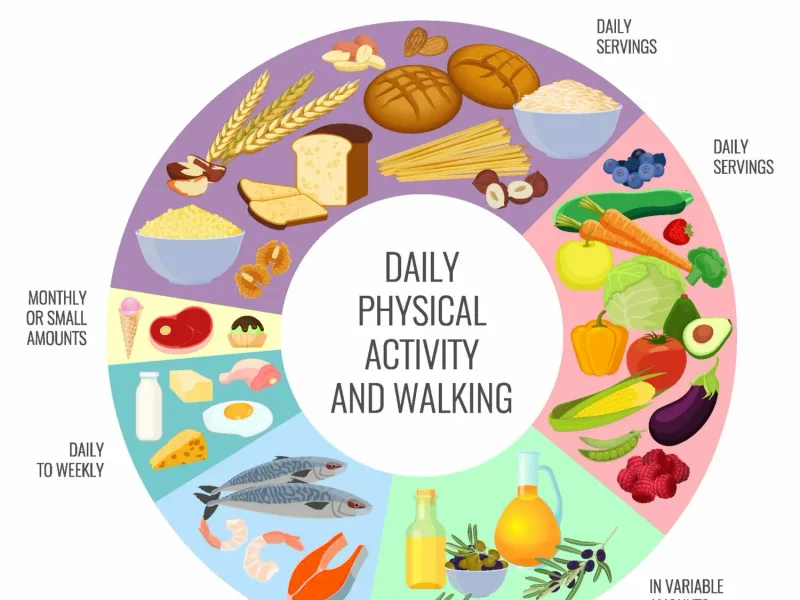
- Balanced Nutrition: Focus on fruits, vegetables, whole grains, and lean proteins. Avoid fatty, fried, and processed foods.
- Avoiding Alcohol and Toxins: Alcohol consumption can severely damage an already compromised hepatic organ. It's vital to steer clear of unnecessary medications and supplements unless prescribed by a doctor.
This perspective suggests that diet serves as fuel for the body's engine; the appropriate kind is necessary for optimal function, particularly during recuperation.
Key Statistics on Hepatic Health in India
Grasping the prevalence of hepatic conditions highlights the significance of prompt intervention for this yellowing:
- Approximately 10% of the Indian populace experiences some form of hepatic ailment (NITI Aayog, 2021).
- Viral inflammation types B and C represent a primary etiology of chronic hepatic disease and