Understanding Jaundice: A Common Concern
Jaundice, a condition characterized by yellowing of the skin and the whites of the eyes, is a sign that the body isn't processing bilirubin properly. Bilirubin is a yellow pigment produced when red blood cells break down.
Normally, the liver filters this waste product out of the body. When the liver is overwhelmed or not functioning optimally, bilirubin can build up, leading to jaundice.
The reality is, jaundice itself isn't a disease, but rather an indicator of an underlying medical issue. Identifying the root cause is crucial for effective treatment. Many of us have encountered someone experiencing jaundice, perhaps a newborn baby or an older relative. Worth knowing: this situation affects people of all ages.
Causes of Jaundice in Adults and Children
Several factors can lead to jaundice. In adults, prevalent culprits include hepatitis (viral infections like Hepatitis A, B, or C), alcoholic liver disease, and gallstones that block bile ducts. Cirrhosis, a severe scarring of the liver, also significantly impairs its function.
In adults, potential causes include:
- Hepatitis: Inflammation of the liver, often caused by viruses.
- Alcoholic Liver Disease: Damage to the liver from excessive alcohol consumption.
- Gallstones: Stones forming in the gallbladder or bile ducts, obstructing bile flow.
- Pancreatitis: Inflammation of the pancreas, which can affect bile ducts.
- Certain Medications: Some drugs can be toxic to the liver.
- Autoimmune Disorders: Conditions where the body's immune system attacks the liver.
For newborns, jaundice is quite prevalent, often referred to as neonatal jaundice. This usually occurs because a baby's liver is still immature and cannot process bilirubin efficiently in the first few days of life. Premature babies are at a higher risk. Honestly, seeing your newborn unwell is distressing for any parent.
Here's where it gets interesting.
Neonatal Jaundice Considerations:
- Physiological Jaundice: The most frequent type, typically appearing 2-3 days after birth and resolving within 1-2 weeks.
- Breastfeeding Jaundice: Occurs if a baby isn't getting enough milk.
- Breast Milk Jaundice: A rarer type, possibly caused by substances in the mother's milk.
- Blood Group Incompatibility: If the mother and baby have different blood types, it can lead to rapid bilirubin buildup.
So what does that mean for you? Understanding the specific cause is the first step toward proven management.
Recognizing the Signs and Symptoms
The most obvious sign of jaundice is the yellowing of the skin and sclera (the whites of the eyes). This discoloration usually becomes apparent first in the face and then spreads downwards. Other indicators can vary depending on the underlying cause but may include:
- Dark urine, sometimes described as tea-colored.
- Pale, clay-colored stools.
- Abdominal pain or swelling.
- Itchy skin (pruritus).
- Fatigue and weakness.
- Nausea and vomiting.
- Unexplained weight loss.
- Fever.
If you observe any of these signs, especially in combination with yellowing skin, seeking prompt medical attention is vital. Early diagnosis strengthens the chances of a full recovery.
Jaundice care Approaches in Joynagar
intervention for jaundice hinges entirely on addressing the underlying cause and managing bilirubin levels. In Joynagar, as elsewhere, physicians follow established clinical guidelines, often referencing standards from organizations like the World Health Organization (WHO) for pediatric care.
management for Neonatal Jaundice
For newborns, care is often conservative if the jaundice is mild and physiological. Phototherapy is the cornerstone of management for moderate to severe neonatal jaundice.
This involves placing the baby under special blue lights, which help break down bilirubin in the skin so it can be excreted more easily. The light transforms bilirubin into a water-soluble form, making it easier for the baby's immature liver and kidneys to eliminate.
In rare, severe cases, a blood transfusion (exchange transfusion) might be necessary. This procedure replaces the baby's blood with donor blood, rapidly lowering bilirubin levels. The reality is, most cases of neonatal jaundice are mild and resolve without intervention.
That's the part worth remembering.
therapy for Adult Jaundice
Adult jaundice approach is more complex due to the variety of potential underlying conditions.
- Medications: If jaundice stems from an infection or inflammation, antiviral or anti-inflammatory drugs may be prescribed. Corticosteroids are sometimes used for autoimmune hepatitis.
- Surgery or Procedures: Gallstones blocking bile ducts often require surgical removal or endoscopic procedures like ERCP (Endoscopic Retrograde Cholangiopancreatography) to clear the obstruction.
- Lifestyle Changes: For alcohol-related liver disease, complete abstinence from alcohol is paramount. Dietary adjustments are also crucial, focusing on a balanced, liver-friendly diet.
- Supportive Care: Managing indicators like itching and nausea is key. Medications can assist alleviate these discomforts. Providing adequate hydration and nutrition supports the body's healing process.
Here's the thing — the specific therapy will be tailored by your doctor based on your diagnosis.
Specialist Care in Joynagar
Joynagar boasts several healthcare facilities equipped to handle jaundice cases. From local clinics to larger hospitals, finding appropriate care is feasible. Many institutions have pediatricians experienced in managing neonatal jaundice, while general physicians and gastroenterologists/hepatologists are available for adult cases.
Accessing specialists ensures that the root cause is correctly identified and treated promptly. Is there a better way than seeking expert advice?
When to Seek Immediate Medical Attention
While mild jaundice, especially in newborns, can resolve on its own, certain signs warrant urgent medical evaluation. These include:
- Sudden onset of severe jaundice.
- Jaundice accompanied by fever, chills, or severe abdominal pain.
- Confusion, drowsiness, or personality changes (indicating potential liver encephalopathy).
- Vomiting blood or passing black, tarry stools.
- Signs of dehydration in infants (fewer wet diapers, lethargy).
Prompt action can prevent complications and improve outcomes significantly. Remember, timely intervention is key.
Dietary Recommendations During Jaundice Recovery
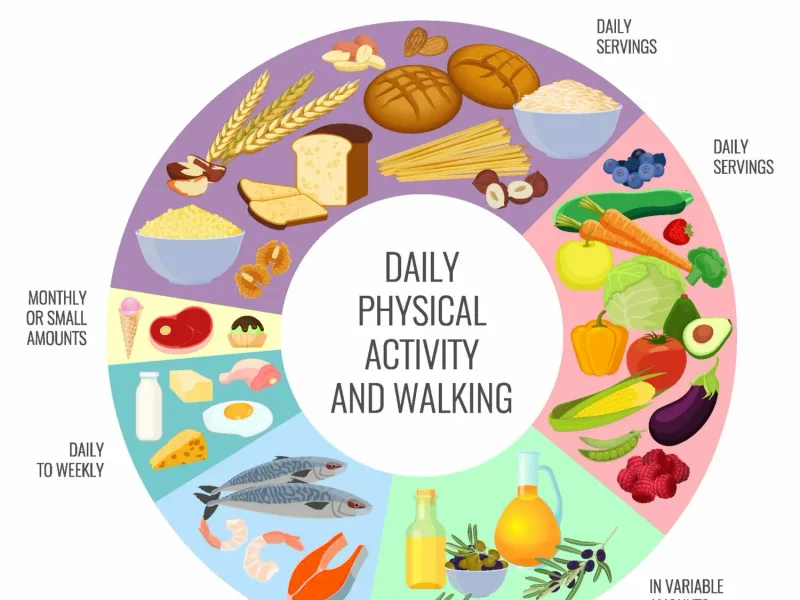
A well-balanced diet plays a supportive role in recovery. While specific advice depends on the cause of jaundice, general principles apply:
- Stay Hydrated: Drink plenty of water throughout the day.
- Choose Easily Digestible Foods: Opt for bland foods like rice gruel (khichdi), boiled potatoes, toast, and clear soups. Think of the comfort food many of us turn to when feeling unwell.
- Include Fruits and Vegetables: Fresh fruits (like papaya, pears) and cooked vegetables provide essential vitamins and fiber.
- Lean Proteins: Incorporate sources like dalia, lentils, and lean chicken or fish if tolerated.
- Avoid: Fatty, fried, and spicy foods are difficult to digest and can strain the liver. Alcohol and processed foods must be strictly avoided.
Consulting a doctor or a dietitian for personalized dietary advice is highly recommended. They can create a plan that supports your specific recovery needs.
Living with Jaundice: Support and Outlook
Living with jaundice, or caring for someone who is, can be genuinely hard. The physical discomfort and the worry about the underlying situation can be overwhelming.
Support from family, friends, and healthcare providers is invaluable during this time. Open communication with your physician about your concerns and signs helps ensure you receive the best possible care.
The outlook for jaundice depends heavily on the underlying cause and how quickly intervention is initiated. Many conditions, like physiological neonatal jaundice or jaundice due to treatable infections or obstructions, have excellent recovery rates.
Chronic liver diseases require long-term management but can often be stabilized with appropriate care. Trust in the medical professionals in Joynagar to guide you through the recovery process.
Frequently Asked Questions
Can I eat rice if I have jaundice?
Yes, plain cooked rice, like rice gruel or khichdi, is generally well-tolerated during jaundice recovery. It is easily digestible and provides energy. Avoid rice dishes that are fried or heavily spiced, as these can be difficult for a compromised liver to process.
It sounds simple. It rarely is.
How long does jaundice approach take?
The duration of jaundice therapy varies significantly depending on the cause. Physiological neonatal jaundice often resolves within one to two weeks. Jaundice caused by gallstones might require a procedure followed by a recovery period.
Chronic liver conditions necessitate ongoing management. Your doctor will provide a more specific timeline based on your diagnosis.
Is jaundice contagious?
Jaundice itself is not contagious, but the underlying conditions that cause it can be. For example, viral hepatitis (like Hepatitis A and B) is contagious and can be transmitted through contaminated food/water or bodily fluids. Non-infectious causes like gallstones or alcoholic liver disease are not contagious.
What are the long-term effects of jaundice?
The long-term effects depend entirely on the cause and severity of the jaundice and the promptness of management. Mild, temporary jaundice usually has no lasting impact.
However, if jaundice is a symptom of severe or chronic liver damage (like advanced cirrhosis or certain types of hepatitis), it can lead to serious complications affecting liver function long-term. Early and impactful approach is crucial to minimize potential long-term consequences.
Always consult a qualified physician before making medical decisions.