Understanding Jaundice: A Vital Health Concern
Jaundice, a common medical condition, manifests as a yellowish discoloration of the skin, eyes, and mucous membranes. This appearance stems from elevated levels of bilirubin, a yellow pigment produced during the normal breakdown of red blood cells.
When the liver cannot process bilirubin efficiently, it builds up in the bloodstream, causing jaundice. In Khagaria, as elsewhere, understanding the causes and seeking timely treatment are crucial for a healthy recovery.
We often see patients presenting with these tell-tale signs, sometimes without realizing the underlying cause. Living with this is genuinely hard, especially when it affects daily life. Honestly, recognizing the symptoms early can make a significant difference in the management approach and the speed of recovery.
widespread Causes of Jaundice
Several factors can lead to jaundice. These range from infections and certain medications to more serious liver conditions. Understanding the specific cause is the first step toward effective therapy.
Most people overlook this completely.
1. Viral Hepatitis
Viral hepatitis, particularly types A, B, and E, is a leading cause of jaundice globally and in regions like Bihar. These viruses inflame and damage the liver, impairing its ability to metabolize bilirubin.
Hepatitis A is often spread through contaminated food or water, something we must be mindful of, especially during monsoon seasons in Khagaria.
2. Alcohol-Related Liver Disease
Excessive and prolonged alcohol consumption can severely damage the liver, leading to conditions like alcoholic hepatitis and cirrhosis. This damage hinders liver function, resulting in bilirubin accumulation and jaundice. Many individuals are unaware of the cumulative effect of alcohol on their liver health.
3. Gallstones
Gallstones can obstruct the bile ducts, which are responsible for carrying bile (containing bilirubin) from the liver to the small intestine. Blockage prevents the normal flow of bile, causing bilirubin to back up into the bloodstream. Is there a better way to manage this? Early detection through imaging tests is key.
4. Certain Medications
Some drugs, including certain antibiotics, steroids, and high-dose acetaminophen, can be hepatotoxic (toxic to the liver). They can cause drug-induced liver injury, leading to impaired liver function and jaundice. It's vital to inform your physician about all medications you are taking.
This is where most those affected struggle.
5. Hemolytic Anemia
This concern involves the premature destruction of red blood cells. The liver becomes overwhelmed trying to process the excess bilirubin released from these broken-down cells, leading to jaundice. What should you actually do if you suspect anemia?
6. Other Liver Conditions
Less prevalent causes include autoimmune hepatitis, Wilson's disease (a genetic disorder affecting copper metabolism), and liver cancer. These conditions require specialized diagnostic approaches and targeted care.
Recognizing the Signs and warning signs
The most obvious indicator of jaundice is the yellowing of the skin and the whites of the eyes (sclera). However, other signs can accompany this:
- Dark urine, often described as tea-colored.
- Pale or clay-colored stools.
- Fatigue and general weakness.
- Abdominal pain or discomfort, especially in the upper right quadrant where the liver is located.
- Nausea and vomiting.
- Loss of appetite.
- Unexplained weight loss.
- Itchy skin (pruritus).
You'll notice that the presence and severity of these indicators can vary depending on the underlying cause of jaundice. Prompt medical evaluation is essential.
Jaundice management Approaches in Khagaria
therapy for jaundice focuses on addressing the root cause and managing bilirubin levels. In Khagaria, those affected can access a range of diagnostic and therapeutic services.
Diagnostic Evaluation
Physicians in Khagaria use several diagnostic tools:
- Blood Tests: Liver function tests (LFTs) measure enzymes and proteins related to liver health. Bilirubin levels are specifically assessed. Complete blood counts (CBC) help detect anemia or infection.
- Imaging Studies: Ultrasound, CT scans, and MRI scans enable visualize the liver, gallbladder, and bile ducts to detect gallstones, tumors, or other abnormalities.
- Liver Biopsy: In some cases, a small sample of liver tissue is examined under a microscope to diagnose specific liver diseases.
Therapeutic Interventions
The specific therapy depends heavily on the diagnosis:
- For Viral Hepatitis: Antiviral medications may be prescribed to combat the infection. Supportive care, including rest and adequate hydration, is vital. WHO guidelines emphasize vaccination for Hepatitis A and B to prevent infection.
- For Gallstones: Depending on the severity, care might involve medication to dissolve stones, minimally invasive procedures like ERCP (Endoscopic Retrograde Cholangiopancreatography) to remove stones from bile ducts, or surgery (cholecystectomy) to remove the gallbladder.
- For Alcohol-Related Liver Disease: Complete abstinence from alcohol is the most crucial step. Nutritional support and medications to manage inflammation are often part of the care plan.
- For Drug-Induced Jaundice: Discontinuing the offending medication is usually sufficient. Your doctor will monitor liver function closely.
- For Hemolytic Anemia: intervention addresses the underlying cause of red blood cell destruction, which might include medications or, in severe cases, blood transfusions.
- Supportive Care: Regardless of the cause, adequate rest, a balanced diet, and sufficient fluid intake are fundamental to support liver healing. Specialists often recommend avoiding alcohol and certain over-the-counter medications.
Neonatal Jaundice: Special Care for Newborns
Jaundice is quite widespread in newborns, often referred to as neonatal jaundice. It typically occurs because a newborn's liver is still immature and cannot process bilirubin effectively.
While usually harmless and resolving on its own within a week or two, it requires careful monitoring by pediatricians in Khagaria. Severe cases, however, can lead to serious complications like kernicterus (brain damage) if bilirubin levels become excessively high.
- Phototherapy: The baby is placed under special blue lights, which support break down bilirubin in the skin, making it easier for the body to excrete. This is a usual and impactful approach.
- Exchange Transfusion: In rare, severe cases, a baby's blood may be partially or completely replaced with donor blood to rapidly lower bilirubin levels.
Parents are often advised to ensure the baby is feeding well, as frequent feeding helps the baby pass bilirubin through stool and urine. Any concerns about a newborn's health should be discussed with a pediatrician immediately.
That's the part worth remembering.
Living with Jaundice: Recovery and Prevention
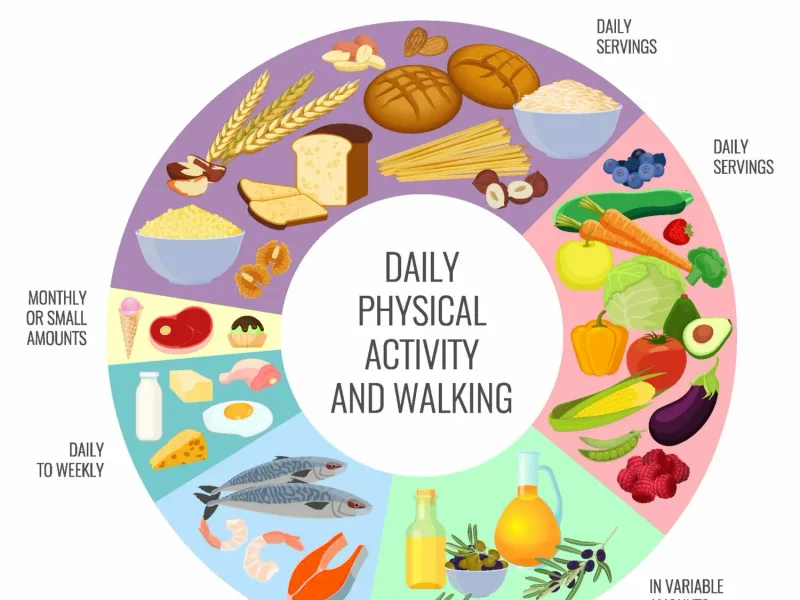
Recovering from jaundice involves following your physician's advice diligently. A balanced diet, rich in fruits, vegetables, and whole grains, supports liver health. Avoiding alcohol and fatty, processed foods is vital. Hydration is key; drink plenty of water throughout the day.
Prevention plays a marked role. Practicing good hygiene, such as thorough handwashing, helps prevent viral hepatitis. Getting vaccinated against Hepatitis A and B offers reliable protection.
Moderating alcohol intake is essential for long-term liver health. If you're taking medications known to affect the liver, use them as prescribed and discuss any concerns with your doctor.
Here's the thing — maintaining a healthy lifestyle is your best defense. Like ensuring your car gets regular servicing to run smoothly, giving your liver consistent care prevents major breakdowns. Many of us overlook our liver's silent work until a problem arises.
Finding Specialist Care in Khagaria
Khagaria is equipped with healthcare facilities and physicians dedicated to liver health. When seeking care, look for specialists in gastroenterology or hepatology. Hospitals and clinics in the area offer diagnostic services, including pathology labs and imaging centers.
Don't hesitate to ask your primary care physician for a referral to a specialist if needed. Remember, early diagnosis and appropriate therapy are the cornerstones of successful jaundice management.
Experiencing jaundice can be worrying, but with the right medical attention and supportive care available locally, recovery is very achievable. The medical community in Khagaria is committed to providing reliable care to aid individuals regain their health.
The numbers don't lie.
Always consult a qualified physician before making medical decisions.
Frequently Asked Questions
Can I eat rice if I have jaundice?
Generally, yes, you can eat rice if you have jaundice, provided it is well-cooked and part of a balanced diet. Plain rice is easily digestible. However, avoid excessive consumption and focus on incorporating a variety of nutritious foods as recommended by your doctor.
How long does jaundice approach take?
The duration of jaundice intervention varies greatly depending on the underlying cause and the individual's overall health. Mild cases, especially in newborns, might resolve within days or weeks with supportive care. More complex conditions affecting the liver or bile ducts may require weeks or months of therapy and monitoring.
Is jaundice contagious?
Jaundice itself is a symptom, not a disease, so it is not contagious. However, the underlying causes can be. For instance, viral hepatitis (like Hepatitis A and E) is contagious and spread through contaminated food or water. Other causes, like gallstones or alcohol-related liver damage, are not contagious.
What is the best diet for jaundice those affected?
A diet for jaundice people should be light, easily digestible, and nutritious. Focus on fruits, vegetables, whole grains, and lean proteins. It is crucial to stay hydrated by drinking plenty of fluids like water and herbal teas. Avoiding fatty, fried, spicy foods, and alcohol is highly recommended to reduce the burden on the liver.
Recovery is rarely linear.