Understanding Jaundice and Its Treatment in Koderma
Jaundice, a condition characterized by yellowing of the skin and eyes, is a common indicator of an underlying health issue, often related to the liver. In Koderma, as across India, understanding the causes and available management options is vital for timely and effective care. We often see people concerned about this visible sign, seeking reliable medical advice. Honestly, diagnosing the root cause is the first crucial step in managing jaundice effectively.
Think about it this way: the liver is our body’s primary filter. When it's overwhelmed or damaged, a yellow pigment called bilirubin builds up in the blood. This buildup leads to the characteristic yellow hue of jaundice. What most people miss is that jaundice itself isn't a disease, but rather a symptom of something else happening within the body. Identifying that 'something else' is where expert medical evaluation comes into play.
Causes of Jaundice
Several factors can lead to jaundice. These range from infections and certain medications to more serious conditions like liver disease or bile duct obstruction. In newborns, physiological jaundice is quite frequent, typically resolving on its own. However, pathological jaundice, which appears within the first 24 hours of life or persists beyond two weeks, requires immediate medical attention. India faces a significant burden of liver-related ailments; the Indian Network for Primary Liver Cancer (INPL) has highlighted the growing concern over viral hepatitis, a key cause of liver damage leading to jaundice.
Recognizing the Signs
The most obvious indicator is the yellowing of the skin, the whites of the eyes (sclera), and the inside of the mouth. Other potential signs can include dark urine, pale stools, itching, fatigue, abdominal pain, and unexplained weight loss. These indicators can vary depending on the underlying cause. So what does that mean for you? It means paying attention to your body's signals is paramount.
Diagnostic Approaches in Koderma
Physicians in Koderma employ a systematic approach to diagnose the cause of jaundice. This typically begins with a detailed medical history and a thorough physical examination. Blood tests are crucial for assessing liver function, measuring bilirubin levels (total and direct), and detecting markers for viral hepatitis or other infections. For instance, elevated levels of ALT and AST enzymes often point towards liver cell damage. India’s National Institute of Nutrition (NIN) recommends regular health check-ups, which can aid in early detection of liver issues.
Imaging studies like ultrasound, CT scans, or MRI scans may be ordered to visualize the liver, gallbladder, and bile ducts. These help identify blockages, tumors, or other structural abnormalities. In some cases, a liver biopsy might be necessary for a definitive diagnosis, allowing specialists to examine liver tissue directly. The Indian Council of Medical Research (ICMR) emphasizes the importance of advanced diagnostics for accurate disease management.
approach Modalities Available
The approach to jaundice management hinges entirely on its underlying cause. For viral hepatitis, antiviral medications are often prescribed. If the jaundice is due to a bile duct obstruction, a surgical or endoscopic procedure might be needed to clear the blockage. For conditions like alcoholic liver disease, the primary approach involves complete abstinence from alcohol and supportive care.
In Koderma, medical facilities are equipped to handle various approach protocols. For instance, neonatal jaundice is managed through phototherapy (using special lights to break down bilirubin) or, in severe cases, exchange transfusion. The World Health Organization (WHO) guidelines recommend phototherapy as a safe and powerful first-line intervention for hyperbilirubinemia in newborns.
Worth knowing: For drug-induced jaundice, discontinuing the offending medication is the key step. Supportive care, including maintaining hydration and proper nutrition, is a vital component of all jaundice approach plans. Physicians often focus on managing symptoms like itching with antihistamines or lotions.
When to Seek Specialist Care
Living with jaundice can be genuinely hard, especially when the cause is unclear or therapy is prolonged. It’s essential to consult a specialist if indicators are severe, if jaundice appears suddenly, or if you experience marked abdominal pain, fever, or confusion. Early intervention by gastroenterologists or hepatologists can significantly improve outcomes. AIIMS (All India Institute of Medical Sciences) consistently advocates for prompt specialist consultation for complex liver conditions.
Living Healthier Post-therapy
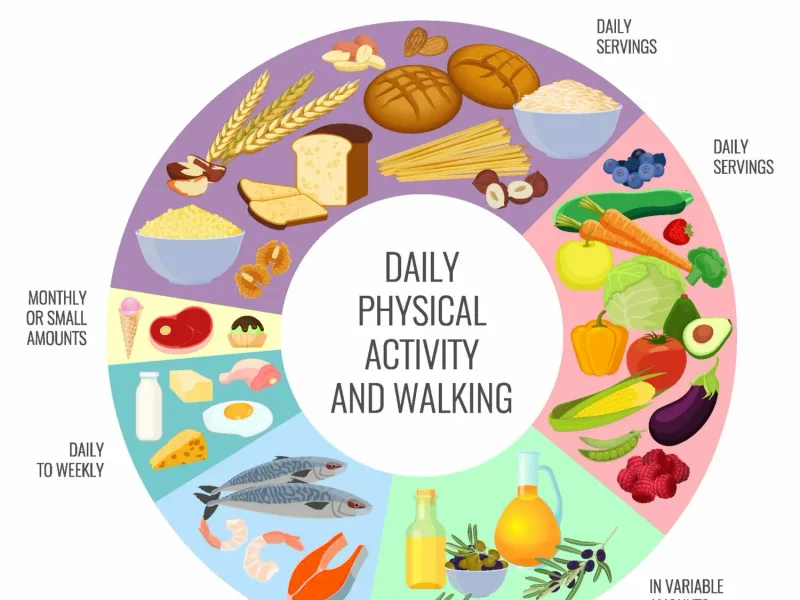
Recovering from jaundice involves more than just medical care. Lifestyle modifications play a vital role in supporting liver health. A balanced diet, rich in fruits, vegetables, and whole grains, is recommended. Limiting alcohol intake and avoiding unnecessary medications are crucial. Regular follow-ups with your physician make sure your liver is healing properly and to monitor for any recurrence or complications. Think about it this way: nurturing your liver post-approach is like tending to a garden; consistent care yields lasting results.
Key Takeaways
- Jaundice is a symptom, not a disease, indicating a potential underlying issue, often liver-related.
- Diagnostic methods include blood tests, imaging, and sometimes liver biopsy.
- management in Koderma is tailored to the specific cause, ranging from phototherapy for newborns to medication for hepatitis.
- Early consultation with physicians is crucial for proven management and improved prognosis.
Frequently Asked Questions
Can I consume rice if I have jaundice?
During jaundice, especially if related to liver dysfunction, a balanced diet is key. While rice is a staple, moderation is advised. Focus on easily digestible carbohydrates and consult your physician about the appropriate quantity based on your specific disorder and liver function.
Is jaundice contagious?
Jaundice itself is not contagious, but the conditions causing it can be. For example, viral hepatitis (Hepatitis A, B, C) is contagious and requires specific preventive measures. Non-infectious causes like gallstones or certain medications do not pose a transmission risk.
What are the long-term effects of untreated jaundice?
Untreated jaundice can lead to severe complications, including chronic liver disease, liver failure, and increased likelihood of liver cancer, depending on the underlying cause. Prompt diagnosis and appropriate care are vital to prevent long-term damage and ensure a better quality of life.
How long does approach for jaundice typically take?
The duration of jaundice approach varies significantly. Physiological jaundice in newborns often resolves within a week or two. However, intervention for underlying conditions like hepatitis or liver cirrhosis can be long-term, requiring ongoing medical management and lifestyle changes.
Recovery is rarely linear.
Always consult a qualified physician before making medical decisions.