Understanding Jaundice: Causes, Symptoms, and Its Impact
Jaundice, a common medical condition, manifests as a yellowish discoloration of the skin and the whites of the eyes. This occurs when bilirubin, a yellow pigment produced during the normal breakdown of red blood cells, accumulates in the body.
Normally, the liver processes this bilirubin, excreting it as bile. However, when the liver is overwhelmed or damaged, or when there's excessive red blood cell destruction, bilirubin levels can rise, leading to jaundice.
Think about it this way: your liver acts like a sophisticated filter. If the filter gets clogged or the inflow of waste (bilirubin) is too high, things start to back up. The reality is, this backup is what causes the visible yellowing we associate with jaundice.
Have you ever wondered why? It’s a direct signal from your body that something is amiss with bilirubin processing.
prevalent Causes of Jaundice
The reasons behind elevated bilirubin levels are varied and can range from mild, temporary conditions to serious underlying diseases. In newborns, jaundice is quite prevalent, often referred to as neonatal jaundice. This usually resolves on its own as the baby's liver matures. However, in adults, jaundice can indicate more significant health issues.
This is where most patients struggle.
- Pre-hepatic causes: These occur before bilirubin reaches the liver. Hemolytic anemias, where red blood cells are destroyed faster than they can be produced, are a key example. Sickle cell anemia, for instance, can lead to such destruction.
- Hepatic causes: These relate directly to the liver itself. Viral hepatitis (A, B, C), alcoholic liver disease, cirrhosis (scarring of the liver), and certain genetic disorders like Gilbert's syndrome fall into this category. In India, viral hepatitis remains a considerable concern, with the Indian Council of Medical Research (ICMR) actively monitoring its prevalence.
- Post-hepatic causes: These arise from blockages in the bile ducts, which prevent bile (and thus bilirubin) from reaching the intestine. Gallstones, inflammation of the bile ducts (cholangitis), or tumors in the pancreas or bile ducts can obstruct the flow.
Recognizing the Signs and indicators
The most obvious indicator of jaundice is the yellowing of the skin and sclera (the white part of the eyes). However, other warning signs often accompany this, depending on the underlying cause. What most people miss is that the intensity of the yellowing can vary, from a faint hue to a deep, noticeable colour.
- Dark urine, often described as tea-coloured.
- Pale, clay-coloured stools.
- Itching (pruritus) can be intense, especially if bile salts accumulate in the skin.
- Abdominal pain or discomfort, particularly in the upper right quadrant where the liver is located.
- Fatigue and weakness.
- Nausea and vomiting.
- Loss of appetite.
- Fever (especially with infections like hepatitis).
- Unexplained weight loss.
Living with the discomfort and uncertainty of jaundice is genuinely hard. The persistent fatigue and the visible signs can take a toll on one's well-being.
Jaundice Treatment Approaches in Latehar
therapy for jaundice is entirely dependent on identifying and addressing the root cause. There isn't a one-size-fits-all cure for jaundice itself; rather, the approach focuses on managing the problem that's causing bilirubin to build up.
Specialists in Latehar, like physicians at the district hospital and private clinics, work diligently to diagnose the specific aetiology.
Diagnostic Procedures
To pinpoint the cause, doctors in Latehar employ a range of diagnostic tools. Accurate diagnosis is crucial for effective care. The initial step usually involves a thorough medical history and physical examination.
Have you ever wondered why specialists ask so many questions? It’s to gather clues about your lifestyle, diet, and any recent exposures.
- Blood Tests: These are vital for assessing bilirubin levels (total and direct), liver enzymes (ALT, AST, ALP), and other markers of liver function. Tests for viral hepatitis (Hepatitis A, B, C) are standard. Complete blood counts help detect anemia or signs of infection.
- Urine and Stool Tests: Examining urine for bilirubin and urobilinogen, and stool for bile pigments, can provide further clues about the site of the problem (pre-hepatic, hepatic, or post-hepatic).
- Imaging Studies: Ultrasound of the abdomen is often the first imaging test, helping to visualize the liver, gallbladder, and bile ducts for abnormalities like gallstones or tumors. CT scans or MRIs may be used for more detailed views if needed.
- Liver Biopsy: In complex cases, a small sample of liver tissue may be taken for microscopic examination to diagnose conditions like cirrhosis or specific types of hepatitis.
Specific care Modalities
Once a diagnosis is established, the therapy plan is tailored. For instance, neonatal jaundice often requires simple measures, while adult jaundice might necessitate more complex interventions.
1. therapy for Neonatal Jaundice
Neonatal jaundice is extremely usual; roughly 60% of full-term and 80% of premature babies develop it. The primary approach involves monitoring bilirubin levels. If levels rise significantly, phototherapy is the cornerstone of approach.
Here's where it gets interesting.
This involves exposing the baby's skin to special blue lights, which enable break down bilirubin into a form that can be easily excreted. In rare, severe cases, an exchange transfusion might be necessary, where the baby's blood is replaced with donor blood to rapidly lower bilirubin levels. This is a critical intervention when other methods are insufficient.
2. approach for Adult Jaundice
The approach for adults varies greatly:
- Viral Hepatitis: intervention often involves supportive care, rest, and a healthy diet. Antiviral medications are used for chronic Hepatitis B and C, aiming to suppress the virus and prevent liver damage. The World Health Organization (WHO) provides global guidelines for managing viral hepatitis.
- Alcoholic Liver Disease: The most crucial step is complete abstinence from alcohol. Nutritional support and medications to manage complications like fluid retention might be prescribed.
- Cirrhosis: While liver scarring is often irreversible, approach focuses on managing complications and slowing disease progression. This includes medications for fluid buildup (diuretics), managing portal hypertension, and potentially liver transplantation in end-stage cases.
- Bile Duct Obstruction: If caused by gallstones, procedures like ERCP (Endoscopic Retrograde Cholangiopancreatography) can remove the stones. Surgery may be required to remove the gallbladder (cholecystectomy) or address tumors.
The reality is, recovery often depends on how early the problem is diagnosed and treated. Prompt medical attention can significantly alter the outcome.
The Role of Nutrition and Lifestyle
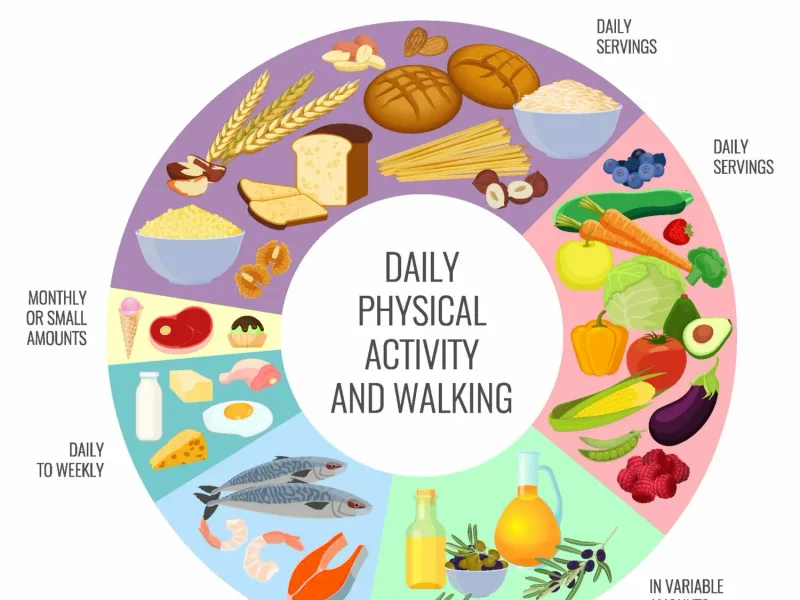
A balanced diet plays a vital role in supporting liver health and recovery. Physicians often advise a diet low in fat and rich in fruits, vegetables, and whole grains. Staying hydrated is also key. For individuals with alcoholic liver disease, complete cessation of alcohol is non-negotiable.
Similarly, for those with viral hepatitis, avoiding alcohol further protects the liver. Have you ever wondered why specialists emphasize diet so much? Because what we eat directly impacts our body's ability to heal and function.
When to Seek Specialist Care in Latehar
It is imperative to seek immediate medical attention if you or a loved one experiences signs of jaundice, especially if accompanied by severe abdominal pain, persistent vomiting, fever, or confusion. Early intervention is key to preventing serious complications.
That's the part worth remembering.
Latehar has medical facilities equipped to handle such emergencies, including the District Hospital and various private clinics staffed by experienced physicians.
The key takeaway is that jaundice is a symptom, not a disease itself. Identifying the underlying cause through proper medical evaluation is the most impactful step towards proven therapy and a healthy recovery. India faces a considerable burden of liver disease, with millions affected annually, making timely diagnosis and care paramount.
Key Takeaways
- Jaundice is yellowing caused by excess bilirubin, indicating potential liver or blood issues.
- Causes range from neonatal factors to hepatitis, gallstones, and liver disease.
- Diagnosis involves blood tests, imaging, and sometimes a liver biopsy.
- intervention targets the specific underlying cause, not just the jaundice itself.
- Early detection and intervention are crucial for a positive prognosis.
Frequently Asked Questions
Can I eat rice if I have jaundice?
Generally, yes, rice is usually permissible as part of a balanced diet. However, it's best to consume it in moderation and focus on easily digestible preparations. Physicians often recommend a diet low in fats and rich in easily digestible carbohydrates, fruits, and vegetables.
How long does jaundice intervention take?
The duration of jaundice management varies significantly depending on the underlying cause and the patient's overall health. Neonatal jaundice often resolves within a couple of weeks, while adult jaundice due to chronic liver disease or bile duct obstruction might require longer-term management and care.
Is jaundice contagious?
Jaundice itself is not contagious, but the conditions causing it can be. For example, viral hepatitis (Hepatitis A, B, and C) can be transmitted from person to person through different routes, making prevention and vaccination crucial where available.
The numbers don't lie.
What are the home remedies for jaundice?
While some traditional remedies are popular, it's vital to rely on evidence-based medical intervention. Home remedies should not replace professional medical care. Always consult a qualified physician before making medical decisions.