Understanding Jaundice: Causes and Symptoms
Jaundice, a condition marked by yellowing of the skin and eyes, signifies an underlying issue, often related to the liver. In Lohardaga, as elsewhere in India, understanding its causes is vital for timely and effective treatment. The primary culprit is elevated bilirubin levels in the blood.
Bilirubin, a yellowish pigment, is produced when red blood cells break down. Normally, the liver processes this pigment, excreting it from the body. However, when this process is disrupted, bilirubin builds up, leading to jaundice.
Several factors can trigger this disruption. Viral hepatitis (like Hepatitis A, B, and C) is a common cause, often spread through contaminated food or water, a concern in many parts of India. Alcohol abuse can lead to alcoholic hepatitis and cirrhosis, severely impairing liver function.
Gallstones can block bile ducts, preventing bilirubin from being excreted. Certain medications and genetic disorders also play a role. Honestly, pinpointing the exact cause is the first crucial step in managing jaundice.
Here's where it gets interesting.
Does this sound familiar? frequent signs include the obvious yellowing of skin and the whites of the eyes (sclera). Other indicators might involve dark urine, pale stools, abdominal pain, fatigue, nausea, and unexplained weight loss.
For instance, a patient experiencing persistent fatigue alongside yellowing skin needs immediate medical attention. India has a significant burden of liver disease, with estimates suggesting millions are affected by various forms of hepatitis annually.
Jaundice therapy Approaches in Lohardaga
care for jaundice in Lohardaga is tailored to the underlying cause and the patient's overall health. The goal is always to address the root problem and manage bilirubin levels.
We often see that mild cases, especially in newborns (neonatal jaundice), may resolve on their own or with simple phototherapy. This involves exposing the infant to special blue lights, which help break down bilirubin.
Medical Facilities and Specialist Access
For more complex situations, access to quality medical facilities is key. Lohardaga has several healthcare centres, but for advanced diagnostics and specialist care, patients might be referred to larger hospitals in Ranchi or other major cities. These centres are equipped with advanced diagnostic tools like liver function tests (LFTs), ultrasound, CT scans, and MRIs.
And yet, so many people miss it.
Access to specialists, such as gastroenterologists and hepatologists, is paramount. Honestly, finding the right specialist can make all the difference.
Therapeutic Options
Therapy varies greatly. Viral hepatitis might be managed with antiviral medications. For instance, treatments for Hepatitis C have become highly reliable, with cure rates exceeding 95% according to WHO guidelines.
Gallstones causing obstruction require procedures like ERCP (Endoscopic Retrograde Cholangiopancreatography) or surgery to remove them. In cases of severe liver damage, such as advanced cirrhosis, a liver transplant might be the only viable option, though this is a complex procedure typically performed at specialized centres.
Think about it this way: treating jaundice is like fixing a complex machine. You first need to identify which part is broken before you can repair it.
In real-world terms, this means thorough diagnostic workup before initiating any care plan. A study published in The Lancet highlighted the importance of early diagnosis in improving patient outcomes for liver diseases.
Neonatal Jaundice: A Special Focus
Neonatal jaundice is quite usual, affecting up to 60% of full-term and 80% of premature babies. While often physiological (normal), it requires careful monitoring. Persistent or severe jaundice in newborns can lead to serious complications like kernicterus if left untreated. Hospitals in and around Lohardaga are equipped to monitor these infants.
This is where most sufferers struggle.
Regular blood tests are conducted to check bilirubin levels. Early detection and intervention, often through phototherapy, are crucial for a positive outcome. The Indian Academy of Pediatrics (IAP) provides guidelines for managing neonatal jaundice.
Living with Jaundice: Lifestyle and Recovery
Recovery from jaundice involves not just medical therapy but also major lifestyle adjustments. A balanced diet is crucial. People affected should focus on easily digestible foods and avoid fatty, spicy, and processed items.
For individuals with alcohol-induced liver damage, complete abstinence from alcohol is non-negotiable. Rest is also vital to allow the liver to heal. Hydration is central to; drinking plenty of fluids helps the body flush out toxins.
Practically speaking, this means making conscious choices daily. Many of us have seen family members or friends struggle with recovery after a marked illness. Living with this is genuinely hard, requiring patience and a strong support system.
Most people overlook this completely.
Regular follow-ups with your physician in Lohardaga are essential to monitor liver function and ensure complete recovery. Strengthening your immune system through proper nutrition and rest supports the body's natural healing processes.
When to Seek Specialist Care
It is vital to seek immediate medical attention if you notice any signs of jaundice, especially if accompanied by severe abdominal pain, vomiting, fever, or confusion. For infants, any lethargy, poor feeding, or unusually high-pitched cry warrants urgent assessment. Do not delay seeking assist.
Early intervention significantly improves the prognosis. India faces a substantial burden of liver disease, making awareness and prompt action even more critical.
So what does that mean for you? It means recognizing the signs and understanding that powerful care is available.
Early consultation with a doctor, potentially a specialist from AIIMS or a similar reputable institution if referred, can prevent complications. The World Health Organization (WHO) emphasizes that timely access to diagnosis and care is a cornerstone of proven public health strategy.
Preventive Measures
Prevention often involves simple yet impactful lifestyle changes. Practicing good hygiene, such as frequent handwashing, can prevent the spread of viral hepatitis. Safe sex practices and avoiding sharing needles are vital to prevent Hepatitis B and C transmission.
And yet, so many people miss it.
Limiting alcohol consumption and maintaining a healthy weight also protect liver health. A healthy lifestyle is your best defence.
The Role of Diet
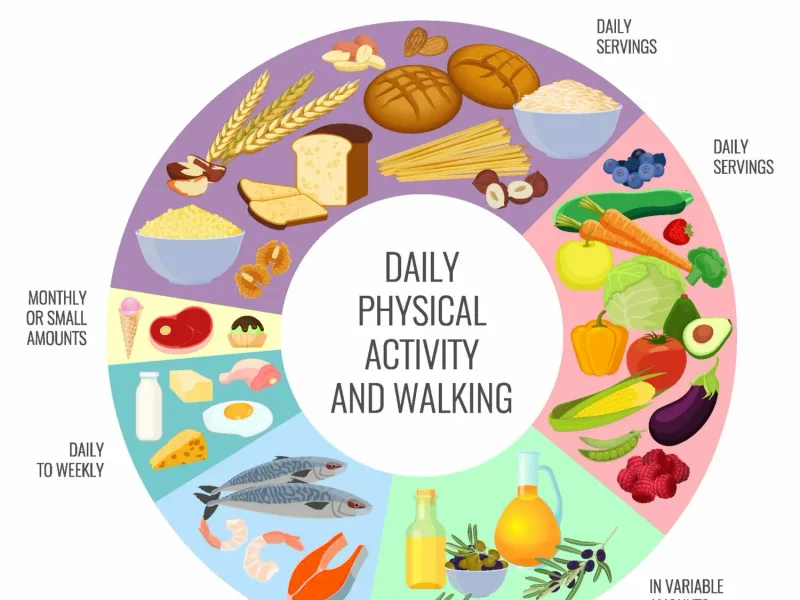
A liver-friendly diet is key to managing and recovering from jaundice. Focus on fruits, vegetables, whole grains, and lean proteins. Avoid excessive salt, sugar, and unhealthy fats.
For instance, including antioxidant-rich foods like berries and leafy greens can support liver function. Hydration is equally important; aim for at least 8-10 glasses of water daily. This approach helps the liver perform its detoxification duties more efficiently.
Importance of Regular Check-ups
Regular medical check-ups are crucial, particularly for individuals with a history of liver disease or those at high risk. These check-ups enable early detection of any potential issues, including recurring jaundice or developing liver conditions. Physicians can monitor liver enzyme levels and other biomarkers.
These proactive measures enable maintain long-term liver health and prevent serious complications. Remember, prevention and early detection are powerful tools in healthcare.
Key Takeaways
- Jaundice is a symptom, not a disease, indicating high bilirubin levels, often linked to liver issues.
- approach in Lohardaga depends entirely on the underlying cause, ranging from phototherapy for newborns to specific medications or procedures for adults.
- Accessing specialist care, possibly in larger cities like Ranchi, is vital for accurate diagnosis and successful intervention plans.
- Lifestyle changes, including diet and avoiding alcohol, are crucial for recovery and long-term liver health.
- Early detection and consultation with a qualified physician are key to preventing severe complications.
Frequently Asked Questions
Can I eat rice if I have jaundice?
Yes, you can generally eat rice, especially white rice, as it is easily digestible. However, portion control is vital. Focus on a balanced diet rich in fruits, vegetables, and lean proteins, as advised by your doctor. Avoid heavy, oily, or spicy preparations of rice.
How long does jaundice care typically take?
The duration of jaundice therapy varies significantly depending on the cause and severity. Mild cases, like physiological jaundice in newborns, might resolve within a week or two with phototherapy. More complex conditions, such as hepatitis or cirrhosis, require longer-term management and recovery can take weeks to months, sometimes even longer.
Recovery is rarely linear.
Is jaundice contagious?
Jaundice itself is not contagious, but the conditions causing it can be. For example, viral hepatitis (Hepatitis A, B, C) can be transmitted through contaminated food/water or bodily fluids. It's crucial to identify the cause of jaundice to understand its potential for spread and take necessary precautions.
What foods should I avoid with jaundice?
You should avoid fatty, fried, and spicy foods, as well as processed items and excessive salt. Alcohol must be completely avoided. Limiting red meat and opting for lean protein sources like chicken or fish is generally recommended. Always follow your physician's specific dietary advice.
Always consult a qualified physician before making medical decisions.