Understanding Yellow Skin: A Closer Look
Yellowing of the skin and the whites of the eyes, a condition medically known as icterus, stems from elevated levels of bilirubin within the body's circulating fluid. Bilirubin is a yellowish pigment that naturally forms during the breakdown of aged red cells.
Typically, the hepatic organ processes this pigment, expelling it from the system. However, when this function is compromised, the pigment builds up, leading to the yellowed appearance.
Consider the hepatic organ as a vital filter. Should this filter become obstructed or overwhelmed, waste products such as bilirubin accumulate. It is important to remember that this yellowing is not a disease itself, but rather a sign of an underlying problem affecting the hepatic system, gallbladder, or red cells.
Common Causes of Icterus
Various factors can contribute to the development of icterus, affecting individuals across all age groups. In infants, physiological icterus frequently occurs, often manifesting a few days post-birth and resolving without intervention. However, pathological icterus in infants necessitates prompt medical evaluation.
In Newborns
- Physiological Icterus: This is the most frequent type, typically emerging 2-4 days after birth. The infant's developing hepatic organ is still maturing, struggling to efficiently process bilirubin. It generally peaks on the fourth day and recedes within two weeks.
- Breastfeeding Icterus: Manifesting in the initial week of life, this is often associated with insufficient milk consumption. Inadequate feeding results in less bilirubin being eliminated via stools.
- Breast Milk Icterus: Appearing later, around the first week, this is believed to be caused by specific substances in maternal milk that interfere with bilirubin processing.
- Hemolytic Disease of the Newborn (HDN): This serious medical state results from incompatibility in blood groups between mother and baby (e.g., Rh or ABO differences). The infant's red cells are destroyed more rapidly than normal, causing a swift increase in bilirubin levels.
- Infections: Conditions like sepsis or urinary tract infections can also induce icterus in neonates.
- Biliary Atresia: A rare but critical situation where bile ducts are blocked or absent, preventing bilirubin's passage to the intestines.
In Adults
For adults, icterus often indicates more serious underlying health concerns:
- Hepatic Inflammation: Often caused by viral infections (Hepatitis A, B, C), alcohol misuse, or autoimmune disorders, this situation affects the hepatic organ. Viral forms of hepatic inflammation, such as Hepatitis A, pose a significant health issue in many regions, including parts of India.
- Cirrhosis: This involves scarring of hepatic tissue, frequently stemming from chronic alcohol intake or prolonged hepatic inflammation. It significantly impairs hepatic function.
- Gallstones: Concretions forming in the gallbladder or bile ducts can obstruct bile flow, leading to bilirubin accumulation.
- Pancreatitis: Inflammation of the pancreas has the potential to compress the bile duct.
- Certain Medications: Some pharmaceutical agents can induce hepatic damage or disrupt bilirubin metabolism.
- Cancers: Malignant growths in the hepatic organ, pancreas, or bile ducts can impede bile's passage.
- Gilbert's Syndrome: A mild, inherited issue where the hepatic organ has difficulty processing bilirubin. It is generally benign.
To ensure effective care, identifying the precise cause is essential.
Symptoms of Icterus to Observe
The most evident manifestation is the yellowing of the skin and sclera (the whites of the eyes). However, several other indicators frequently accompany this yellowing, varying with the underlying cause:
Most people overlook this completely.
- Dark-colored urine (resembling tea)
- Pale or clay-colored stools
- Itchy skin (known as pruritus)
- Abdominal discomfort or swelling
- Fatigue and general weakness
- Nausea and vomiting episodes
- Diminished appetite
- Unexplained reduction in body mass
- Fever (particularly with infections)
- Disorientation or shifts in mental state (in severe hepatic disease)
These signs can show wide variability. Prompt recognition of these manifestations aids medical professionals in swiftly diagnosing the root problem.
Diagnosing Icterus in Narendrapur
The diagnostic process for icterus involves a comprehensive medical history review, a physical examination, and specific laboratory analyses. In Narendrapur, like elsewhere, healthcare providers will inquire about your warning signs, dietary habits, alcohol consumption, and any recent illnesses or medications.
A physical assessment will check for hepatic enlargement, tenderness, or fluid retention.
Key Diagnostic Tests
- Blood Analyses: These are critical for evaluating bilirubin concentrations (total and direct), hepatic enzymes (ALT, AST, ALP), and other markers like albumin and prothrombin time. Elevated hepatic enzymes suggest damage to the hepatic organ, while high direct bilirubin often points to an obstruction in the bile duct. The World Health Organization (WHO) offers guidelines for interpreting these hepatic function tests.
- Urine Analyses: Checking for bilirubin and urobilinogen in urine can provide additional diagnostic insights.
- Imaging Studies: Ultrasound, CT scans, or MRI scans help visualize the hepatic organ, gallbladder, and bile ducts to identify gallstones, tumors, or structural anomalies.
- Viral Hepatic Serology: Blood tests to detect antibodies or antigens for Hepatitis A, B, and C viruses are crucial if a viral form of hepatic inflammation is suspected.
- Hepatic Biopsy: In certain instances, a small tissue sample from the hepatic organ is taken for microscopic examination to determine the extent and origin of hepatic damage.
Ultimately, an accurate diagnosis represents the initial step toward impactful medical support.
Approaches to Icterus Management
Care for icterus primarily focuses on resolving its underlying cause. The strategy differs significantly depending on whether the affected individual is a newborn or an adult, and the specific concern identified.
Neonatal Icterus Care
For newborns, interventions aim to prevent bilirubin concentrations from reaching dangerous thresholds that could lead to brain damage (kernicterus).
- Phototherapy: This is the most prevalent and powerful form of therapy. The infant is placed under specialized fluorescent lights (blue or white) that aid in converting bilirubin into a form easily excreted in urine and stool. Continuous monitoring of bilirubin levels is vital throughout this therapy. Institutions such as the All India Institute of Medical Sciences (AIIMS) adhere to standardized phototherapy protocols.
- Exchange Transfusion: Should phototherapy prove insufficient and bilirubin levels remain perilously high, a complete or partial exchange of the infant's circulating fluid with donor fluid may be required. This rapidly lowers bilirubin and eliminates antibodies that might be destroying red cells.
- Intravenous Immunoglobulin (IVIg): Occasionally utilized in cases of hemolytic disease to lessen the necessity for exchange transfusion.
- Addressing Underlying Infections: If icterus results from an infection, antibiotics or other targeted medications are administered.
Adult Icterus Management
Managing icterus in adults necessitates addressing the specific ailment.
- Viral Hepatic Inflammation: Management varies by type. Hepatitis A often resolves spontaneously. Hepatitis B and C may require antiviral drugs, sometimes for prolonged durations. Specialist oversight is paramount.
- Alcoholic Hepatic Disease: Cessation of alcohol consumption is the primary intervention. Nutritional assistance and medications to manage complications may be necessary.
- Gallstones: If gallstones cause an obstruction, surgical removal (cholecystectomy) or procedures like ERCP (Endoscopic Retrograde Cholangiopancreatography) to extract stones from the bile duct might be advised.
- Cirrhosis/Hepatic Failure: Management centers on slowing disease progression, handling complications (such as fluid accumulation or bleeding), and in severe scenarios, a hepatic transplant might be the sole recourse.
- Medication-Induced Icterus: Discontinuing the causative drug is typically sufficient.
- Cancer: Intervention involves chemotherapy, radiation, or surgery, depending on the cancer's type and stage.
Living with chronic hepatic conditions can be challenging, demanding notable adjustments to lifestyle and ongoing medical supervision.
Specialist Medical Support in Narendrapur
Narendrapur and its neighboring regions possess healthcare facilities and experts capable of managing icterus. When seeking care, consider:
- Gastroenterologists: Physicians specializing in disorders of the digestive system, including hepatic ailments.
- Hepatologists: Sub-specialists with an exclusive focus on hepatic conditions.
- Pediatricians/Neonatologists: For care of infants and newborns presenting with yellowing.
- General Physicians: Often the initial point of contact for primary assessment and referral.
Numerous hospitals and clinics in the Narendrapur area provide diagnostic services and medical intervention for icterus. Some may also offer integrated care models, combining conventional medicine with Ayurvedic or homeopathic practices.
However, the efficacy of the latter for severe icterus requires careful consideration and should not replace evidence-based medical care as recommended by bodies like the Indian Council of Medical Research (ICMR).
Most people overlook this completely.
Preventive Strategies and Lifestyle Modifications
While not every cause of icterus is preventable, specific measures can lower the risk of developing certain underlying conditions:
- Immunization: Receive vaccinations against Hepatitis A and B.
- Safe Practices: Engage in safe sexual practices and avoid sharing needles to prevent the transmission of Hepatitis B and C.
- Moderate Alcohol Consumption: Limit alcohol intake to safeguard your hepatic organ.
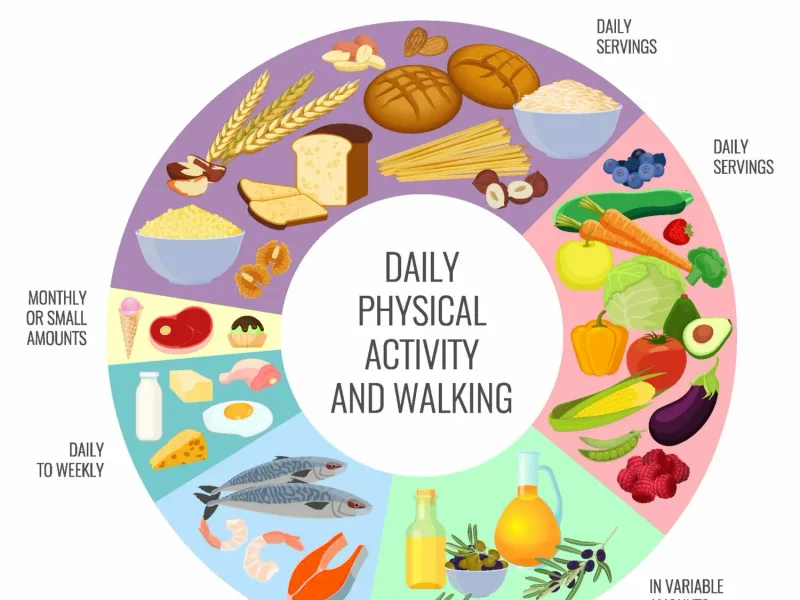
- Nutritious Diet: Maintain a well-balanced diet rich in fruits, vegetables, and whole grains. Avoid excessive fatty or processed foods.
- Hygiene: Practice good personal hygiene, especially handwashing, to prevent infections like Hepatitis A.
- Medication Awareness: Use medications thoughtfully and inform your physician about all supplements and drugs you are consuming.
Maintaining a healthy lifestyle is pivotal for overall hepatic well-being and can significantly decrease the chance of developing conditions that lead to this yellowing.
Frequently Asked Questions
Can I eat rice if I have yellow skin?
For most adults experiencing icterus, consuming rice in moderation is generally permissible, particularly as part of a balanced diet. However, if your yellowing is linked to hepatic inflammation or other metabolic issues, your physician might suggest specific dietary modifications.
It is always best to discuss your diet with your healthcare provider.
How long does icterus management take?
The duration of icterus management varies considerably based on its cause and severity. Physiological yellowing in newborns typically resolves within one to two weeks. For adults, addressing the underlying concern could span weeks, months, or even longer, depending on factors such as hepatic inflammation, cirrhosis, or gallstone issues.
Is yellow skin contagious?
Icterus itself is not contagious, though the underlying conditions causing it can be. For instance, viral hepatic inflammation (Hepatitis A, B, C) is contagious, spreading through various routes like contaminated food/water or bodily fluids.
Understanding the specific cause of the yellowing is crucial to determine if it poses a transmission danger to others.
What are the home remedies for yellow skin?
While supportive home care may sometimes aid manage mild signs or aid recovery for certain types of icterus (like physiological yellowing in newborns under medical supervision), relying solely on home remedies for marked cases is not advisable. Conditions such as hepatic inflammation or bile duct obstruction require professional medical diagnosis and intervention.
That alone changes everything.
Always consult a qualified physician before making medical decisions.