Understanding Jaundice: What You Need to Know
Jaundice, a condition causing yellowing of the skin and eyes, stems from elevated bilirubin levels in the blood. Bilirubin is a yellowish pigment produced during the normal breakdown of red blood cells. Typically, the liver processes this pigment, excreting it from the body. When this process is disrupted, bilirubin accumulates, leading to jaundice. In India, liver diseases are a significant concern, with various factors contributing to jaundice. Have you ever wondered why this disorder affects so many people?
Causes of Jaundice: A Closer Look
Several factors can cause jaundice, broadly categorized into pre-hepatic, hepatic, and post-hepatic issues. Pre-hepatic causes involve excessive red blood cell destruction (hemolysis), leading to more bilirubin than the liver can handle. Conditions like malaria or certain genetic disorders can trigger this. Hepatic causes relate to liver dysfunction itself. Viral hepatitis (like Hepatitis A, B, and C) is a vital culprit in India, affecting millions. According to the Indian Council of Medical Research (ICMR), viral hepatitis remains a considerable public health challenge. Other hepatic issues include alcoholic liver disease and drug-induced liver injury. What most people miss: even certain medications can burden the liver.
Post-hepatic causes occur when bile flow is blocked after leaving the liver. Gallstones obstructing the bile ducts are a common reason. Pancreatic cancer can also compress these ducts. Honestly, identifying the precise cause is crucial for effective treatment. In many cases, a combination of medical history, physical examination, and laboratory tests helps pinpoint the origin.
Recognizing the Signs of Jaundice
The most obvious indicator is the yellowing of the sclera (the white part of the eyes) and skin. However, other signs often accompany this. These can include dark urine, pale stools, abdominal pain, nausea, and vomiting. Fatigue and unexplained weight loss are also widespread indicators. In infants, persistent jaundice beyond two weeks warrants immediate medical evaluation. So what does this mean for you? Early detection of these signs can lead to prompt intervention and better outcomes.
Jaundice therapy Approaches in Ranchi
Treating jaundice involves addressing the underlying cause. The city of Ranchi offers a range of healthcare facilities, from multi-specialty hospitals to dedicated liver clinics, providing access to specialist care. Physicians in Ranchi employ various diagnostic tools, including liver function tests (LFTs), viral marker tests, and imaging like ultrasound or CT scans.
Treating the Underlying Cause
For viral hepatitis, antiviral therapy is often the cornerstone of care. Doctors may prescribe medications to combat the virus and reduce liver inflammation. In cases of gallstones causing obstruction, surgical intervention might be necessary. Laparoscopic cholecystectomy (gallbladder removal) is a widespread and proven approach. For alcoholic liver disease, abstinence from alcohol is the most critical step. Lifestyle modifications, including dietary changes and regular exercise, also play a vital role in supporting liver health. In real-world terms, a holistic approach often yields the best results.
Supportive Care and Management
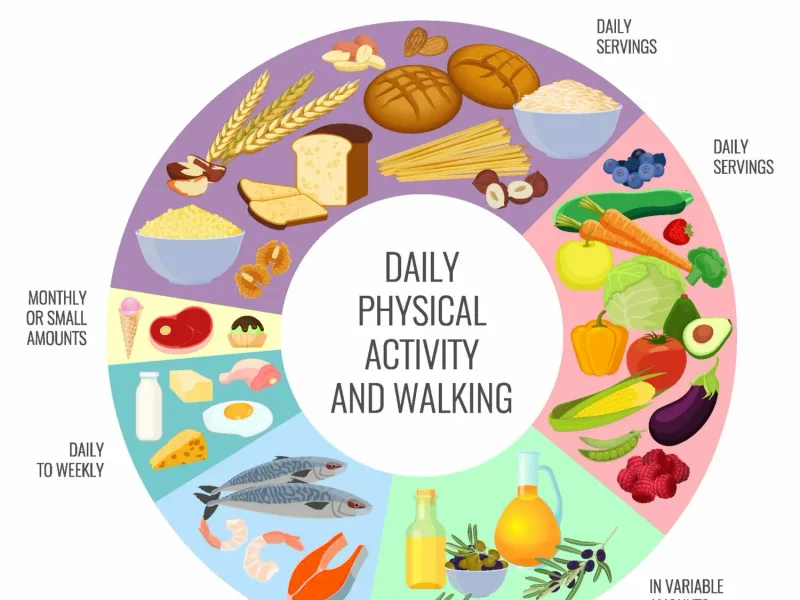
Supportive care helps manage symptoms and prevent complications. This can include medications to relieve itching (pruritus) or to improve bile flow. Nutritional support is also key, especially for those with severe liver impairment. Physicians often recommend a balanced diet, rich in fruits, vegetables, and whole grains, while limiting processed foods and excessive fats. For neonatal jaundice, phototherapy is a widely used and powerful therapy. This involves exposing the infant to specific wavelengths of light that help break down bilirubin. AIIMS (All India Institute of Medical Sciences) guidelines emphasize timely intervention for all forms of jaundice.
Finding Specialist Care in Ranchi
Ranchi is home to several reputable hospitals and clinics equipped to handle jaundice cases. Leading institutions often have dedicated gastroenterology and hepatology departments staffed by experienced specialists. When seeking care, consider the hospital's infrastructure, the expertise of the medical team, and patient reviews. Have you ever wondered where to find the most reliable care?
Choosing the Right Healthcare Provider
Look for physicians with specific experience in treating liver disorders. Many specialists in Ranchi are affiliated with national and international medical associations, ensuring they adhere to global clinical standards. Don't hesitate to ask about the diagnostic and care protocols they follow. What most people miss: understanding the doctor's approach is as important as the care itself.
Living with Jaundice: What Patients Can Expect
Living with jaundice can be challenging. Depending on the cause and severity, recovery times vary significantly. Some conditions, like mild Hepatitis A, resolve on their own with supportive care. Others, such as chronic Hepatitis B or C, require long-term management. Honestly, the journey can be emotionally taxing. Many of us have faced health challenges, and it's considerable to remember you are not alone.
The Importance of Follow-Up Care
Regular follow-up appointments are crucial, even after indicators subside. This allows physicians to monitor liver function, check for any recurrence, and adjust care plans as needed. Adhering strictly to medication schedules and lifestyle recommendations significantly boosts recovery chances. In many cases, consistent care helps prevent long-term liver damage.
Expert Insights from Medical Institutions
Globally, organizations like the World Health Organization (WHO) provide critical guidelines for managing liver diseases, including jaundice. India's own ICMR actively conducts research and disseminates information to strengthen public health outcomes. The Lancet, a prestigious medical journal, frequently publishes studies highlighting advancements in liver disease care. These institutions underscore the importance of early diagnosis and evidence-based therapies. In real-world terms, adhering to established medical protocols is vital.
Key Takeaways
* Jaundice is caused by high bilirubin levels, often linked to liver issues or red blood cell breakdown.
* Viral hepatitis is a typical cause in India, affecting millions (estimated 40 million cases annually).
* Early detection of manifestations like yellowing skin/eyes and dark urine is vital.
* intervention in Ranchi focuses on the underlying cause, ranging from medication to surgery.
* Supportive care and lifestyle changes are crucial for recovery and long-term liver health.
Frequently Asked Questions
Can I eat rice if I have jaundice?
Generally, a balanced diet is recommended. For most types of jaundice, moderate consumption of rice is acceptable as part of a healthy meal plan. However, if the jaundice is related to liver dysfunction, your doctor might advise specific dietary restrictions, so always consult your physician.
How long does jaundice approach take?
The duration of jaundice management varies greatly depending on the cause and severity. Mild cases, like some forms of neonatal jaundice or Hepatitis A, might resolve within weeks. More severe conditions or those requiring surgical intervention could take months, and chronic liver diseases necessitate long-term management.
Is jaundice contagious?
Some causes of jaundice, particularly viral hepatitis like Hepatitis A and E, are contagious and spread through contaminated food or water. Others, such as jaundice due to gallstones or certain genetic conditions, are not contagious. Understanding the specific cause is key to knowing the risk of transmission.
What are the home remedies for jaundice?
While supportive home care is vital, relying solely on home remedies for jaundice is not advisable. Medical intervention is essential to address the underlying cause, especially in adults. Some traditional remedies might offer symptomatic relief, but they cannot replace professional medical care and diagnosis from a qualified doctor.
The numbers don't lie.
Always consult a qualified physician before making medical decisions.