Understanding Renal Calculi: A Common Concern
Renal calculi, often known as nephrolithiasis, are firm deposits of minerals and salts that form within the kidneys. Have you ever considered why some individuals develop these painful formations while others do not? Numerous factors contribute, including dietary habits, hydration levels, and genetic predisposition.
Across India, an estimated 60 million people annually experience renal calculus formation, highlighting a significant public health challenge. This region, Garhwa, faces similar issues, with many residents seeking relief and effective management for this condition.
The formation process typically initiates when the bodily fluid contains a higher concentration of crystal-forming substances—such as calcium, oxalate, and uric acid—than the fluid can adequately dilute. Conversely, the fluid may lack elements that prevent crystals from adhering, thus creating an ideal environment for deposits to form.
We frequently observe patients presenting with intense flank pain that can extend to the lower abdomen and groin. The discomfort is truly debilitating.
Symptoms and Diagnosis in Garhwa
Recognizing the indicators represents the initial step toward obtaining timely care. Typical signs include severe pain in the side and back, beneath the ribs; discomfort radiating to the lower abdomen and groin; pain that arrives in waves and shifts in intensity; and a painful or burning sensation during urination.
This is where most sufferers struggle.
Other potential signs are pink, red, or brown excreted fluid (hematuria, or blood in the fluid), cloudy or foul-smelling fluid, a persistent urge to void, more frequent urination than usual, and fever and chills if an infection is present. These manifestations, in real-world terms, can significantly disrupt an individual's daily routine.
Identifying these renal calculi generally involves a comprehensive clinical history, a physical examination, and various diagnostic assessments. Physicians in Garhwa routinely employ imaging methods such as X-rays, CT scans (computed tomography), and ultrasounds to precisely locate, size, and determine the shape of the deposits. Urinalysis can reveal blood or infection, while blood tests might indicate an excess of minerals or acid in the fluid sample.
A patient from the locality recently shared her experience: 'The pain was unbearable. I couldn't function.
Treatment Approaches for Renal Calculi
The chosen therapy for these formations depends significantly on the calculus's size, type, and location, alongside the patient's overall health status. Smaller deposits, frequently less than 5 mm, may pass spontaneously with increased fluid intake and pain management.
Consider this: promoting hydration functions like flushing a conduit to help dislodge obstructions.
Clinical Management
For smaller deposits or those causing only mild warning signs, healthcare providers might prescribe medications. These may include alpha-blockers (such as tamsulosin), which support relax the muscles in the ureter, allowing calculi to pass more readily. Pain relievers, like NSAIDs (nonsteroidal anti-inflammatory drugs), are essential for managing the severe discomfort linked to calculus passage.
The numbers don't lie.
Adhering to the prescribed dosage is vital to avert potential side effects. Doctors also stress the importance of increased water consumption—aiming for at least 2-3 liters daily—to aid cleanse the renal tract.
Interventional Procedures
When calculi are larger, induce severe pain, obstruct fluid flow, or lead to infection, more assertive interventions become necessary. Several established methods are accessible in this district and elsewhere:
- Extracorporeal Shock Wave Lithotripsy (ESWL): This non-invasive procedure utilizes focused high-energy sound waves to fragment the calculus into smaller pieces. These fragments can then pass more easily through the excretory pathway. ESWL is frequently recommended for calculi situated in the renal system or upper ureter, typically up to 2 cm in size. A session usually takes approximately an hour, and people often resume normal activities the following day.
- Ureteroscopy: This technique involves inserting a slender, flexible scope (ureteroscope) equipped with a camera through the urethra and bladder, then into the ureter and the renal organ. If a calculus is found, it can be extracted with a small basket or broken into tinier pieces using a laser. Ureteroscopy proves particularly proven for deposits in the ureter or within the renal system itself. Post-procedure, temporary placement of a stent might be required to ensure fluid flow.
- Percutaneous Nephrolithotomy (PCNL): For very large or intricate calculi (often exceeding 2 cm), PCNL represents a highly successful surgical approach. It entails making a small incision in the back to directly access the organ and remove the deposit. This minimally invasive surgery boasts a high success rate for clearing substantial calculus burdens. Recovery time is generally longer than with ESWL or ureteroscopy, yet it remains a critical option for challenging scenarios. AIIMS, New Delhi, a prominent institution, routinely employs these advanced techniques.
- Open Surgery (Rarely Used): In exceptionally rare instances, for unusually large or atypically located renal deposits, traditional open surgery might be considered. However, due to advancements in minimally invasive techniques, this approach is seldom necessary today.
Living under the constant threat of such formations is truly challenging. The pain can be unpredictable and overwhelming. The path is clear: early diagnosis and appropriate intervention are fundamental to managing this disorder effectively and preventing recurrence.
Preventing Renal Calculi: Lifestyle Modifications
Prevention consistently outweighs cure. Implementing specific lifestyle adjustments can significantly diminish the likelihood of developing renal calculi. The Indian Council of Clinical Research (ICMR) highlights the importance of diet and hydration.
That's the part worth remembering.
- Stay Hydrated: Consume ample fluids, primarily water, throughout the day. Aiming for 2-3 liters daily helps dilute excreted fluid and prevents calculus-forming substances from concentrating.
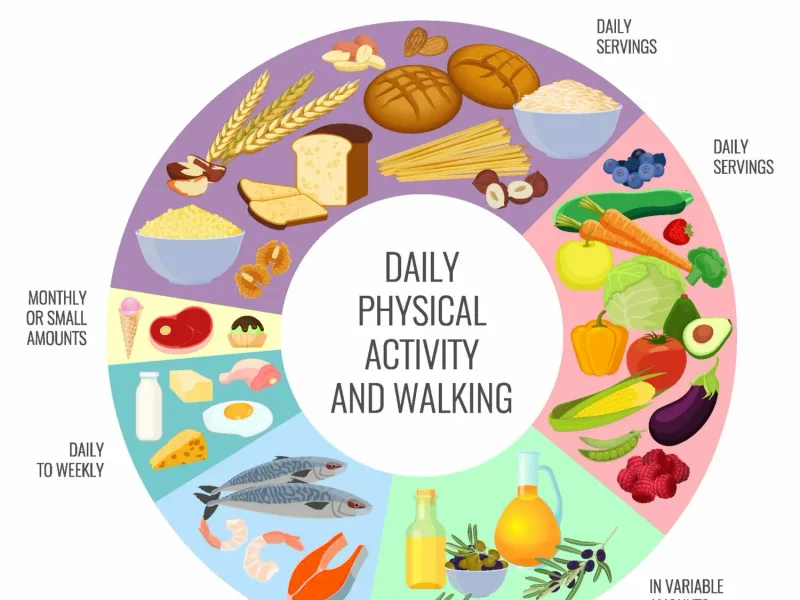
- Dietary Adjustments: Depending on the calculus type, dietary modifications are crucial. For calcium oxalate calculi (the most prevalent kind), limiting high-oxalate foods like spinach, rhubarb, nuts, and chocolate may be advisable. Reducing sodium intake is also vital, as elevated salt levels can increase calcium in your fluid. Limiting animal protein can assist in lowering uric acid levels, thereby reducing the risk of uric acid calculi. The World Health Organization (WHO) offers guidelines on healthy dietary patterns.
- Maintain a Healthy Weight: Obesity correlates with an elevated danger of renal deposits. Attaining and sustaining a healthy weight through balanced nutrition and regular physical activity can provide protective advantages.
- Medication Review: Certain medications, including particular diuretics, calcium-based antacids, and topiramate (used for epilepsy and migraines), can heighten the possibility of calculus formation. Discuss your medications with your doctor.
A recent study published in The Lancet underscored that adequate hydration and reduced sodium intake rank among the most impactful preventative strategies. India carries a major burden of urolithiasis (urinary tract calculi), with prevalence varying across regions, emphasizing the necessity for awareness and preventive measures.
Prevention works.
Seeking Expert Care in Garhwa
If you suspect you have renal calculi or have a history of them, seeking timely clinical guidance is paramount. The region of Garhwa possesses several qualified physicians and healthcare facilities equipped to diagnose and manage renal calculus conditions. Do not postpone seeking assistance if you experience severe pain, persistent urinary manifestations, or signs of infection such as fever and chills.
Early intervention can prevent complications like renal impairment or chronic renal disease. Remember, prompt and appropriate care can make a major difference in your health and well-being. Prompt care matters.
We understand that navigating renal calculi can be a daunting experience. The pain, the uncertainty, and the various therapeutic options can feel overwhelming. However, with the correct clinical guidance and a proactive approach to prevention, you can effectively manage this disorder.
Most people overlook this completely.
Empower yourself with knowledge and collaborate with your healthcare provider for the most favorable outcome. Your health journey holds importance, and undertaking these steps is a vital component of ensuring a healthier future.
Key Takeaways:
- Renal calculi are firm deposits in these organs, affecting millions across India annually.
- manifestations include severe pain, urinary changes, and sometimes fever; diagnosis relies on imaging such as CT scans and ultrasounds.
- intervention options range from clinical approaches (hydration, pain relief) to procedures like ESWL, Ureteroscopy, and PCNL.
- Prevention entails maintaining hydration, adjusting diet (reducing oxalate, sodium, animal protein), and sustaining a healthy weight.
- Early consultation with a physician in this area is crucial for successful management and preventing complications.
Frequently Asked Questions
Can I drink coffee if I have renal calculi?
Moderate consumption of coffee might be acceptable for some individuals, though it can potentially increase calcium excretion in excreted fluid. It is best to discuss your specific situation with your doctor or a dietitian to be aware of its impact on your concern and calculus type.
What is the fastest way to pass a renal calculus?
The fastest way typically involves maintaining excellent hydration to encourage fluid flow, utilizing prescribed pain medication for comfort, and potentially taking alpha-blockers as advised by your physician to relax the ureter. For larger calculi, clinical interventions like ureteroscopy or ESWL are often the most direct and impactful methods.
Can I eat rice if I have renal calculi?
Plain rice is generally considered low in oxalates and can be part of a balanced diet for most people with renal calculi. However, the overall dietary approach should be tailored to the specific type of calculus you form. Always consult with your healthcare provider for personalized dietary recommendations.
Recovery is rarely linear.
How do I know if my renal calculus is an emergency?
A renal calculus becomes an emergency if you experience severe, unbearable pain, have a high fever and chills (indicating infection), are unable to keep fluids down due to nausea and vomiting, or notice blood in your excreted fluid. These indicators necessitate immediate clinical care at the nearest emergency facility.
Always consult a qualified physician before making medical decisions.