Understanding Kidney Stones: A Common Concern
Kidney stones, or nephrolithiasis, are hard deposits made of minerals and salts that form inside your kidneys. These can cause severe pain as they move through the urinary tract.
In India, approximately 12% of the population will experience kidney stones at some point in their lives, with prevalence varying by region. Sahebganj, like many parts of the country, sees a significant number of individuals seeking relief from this painful condition.
Understanding the types of stones and their formation is the first step towards effective management. The most prevalent type is calcium oxalate stones, but uric acid, struvite, and cystine stones also occur.
Factors contributing to their formation include dehydration, diet, certain medical conditions, and family history. Honestly, pinpointing the exact cause can sometimes be challenging.
Symptoms and Diagnosis in Sahebganj
The hallmark symptom is excruciating pain, often felt in the side and back, below the ribs. This pain can radiate to the lower abdomen and groin. Have you ever wondered why? The intense pain arises as the stone travels through the ureter, the tube connecting the kidney to the bladder, causing spasms.
Other widespread indicators include:
- Persistent urge to urinate
- Pain or burning during urination (dysuria)
- Urinating more often than usual
- Cloudy or foul-smelling urine
- Blood in the urine (hematuria), which can appear pink, red, or brown
- Nausea and vomiting
In many cases, diagnosing kidney stones involves a physical examination, review of warning signs, and medical history. Physicians in Sahebganj will likely order diagnostic tests. These often include urinalysis to check for blood or infection, blood tests to assess kidney function and mineral levels, and imaging studies.
That alone changes everything.
X-rays, CT scans (especially non-contrast helical CT), and ultrasounds are crucial for locating stones, determining their size, and identifying any blockages. A non-contrast CT scan is considered the gold standard for diagnosing kidney stones, offering high sensitivity and specificity.
Kidney Stone Treatment Options in Sahebganj
The approach to kidney stone intervention depends largely on the stone’s size, type, location, and the severity of manifestations. For smaller stones, typically less than 5 mm in diameter, conservative management is often successful. This involves encouraging increased fluid intake to help pass the stone naturally.
Staying hydrated is vital; aiming for at least 2-3 liters of fluid daily, primarily water, can significantly boost the chances of stone passage. In real-world terms, this means drinking glasses of water throughout the day, especially in the hot climate of Sahebganj.
Medical Management for Small Stones
Pain management is a crucial aspect of therapy. Physicians often prescribe non-steroidal anti-inflammatory drugs (NSAIDs) like ibuprofen or naproxen to reduce pain and inflammation. In some instances, alpha-blockers may be prescribed.
That alone changes everything.
These medications relax the muscles in the ureter, helping to facilitate the passage of smaller stones. These therapies are readily available at pharmacies across Sahebganj.
When Stones Require Intervention
Larger stones (often over 10 mm) or those causing persistent pain, infection, or kidney damage usually necessitate more active interventions. Several advanced procedures are available for patients in Sahebganj, often performed by urologists or specialists trained in minimally invasive techniques.
Extracorporeal Shock Wave Lithotripsy (ESWL)
ESWL uses focused high-energy sound waves to break the stone into smaller fragments. These fragments can then be passed more easily through the urinary system. This non-invasive procedure is typically performed on an outpatient basis.
It is most successful for stones located in the kidney or upper ureter and measuring up to 2 cm. The success rate can be as high as 80-90% for suitable candidates, according to various clinical studies.
Percutaneous Nephrolithotomy (PCNL)
PCNL is a minimally invasive surgical procedure used for larger or more complex kidney stones. It involves making a small incision in the back to access the kidney directly. A specialized instrument is then used to break up and remove the stone.
Here's where it gets interesting.
PCNL is highly successful for stones larger than 2 cm and has a stone-free rate often exceeding 90%. This approach is generally preferred when ESWL is not suitable or has failed.
Ureteroscopy (URS)
Ureteroscopy is used for stones located in the ureter or kidney. A thin, flexible or rigid scope (ureteroscope) is inserted through the urethra and bladder into the ureter. Once the stone is visualized, it can be removed with a small basket or broken into smaller pieces using a laser lithotripsy.
Laser lithotripsy is a highly precise method for fragmenting stones, allowing for easier removal. This procedure is particularly useful for mid and lower ureteral stones.
Open Surgery
While significantly less prevalent now due to the success of minimally invasive techniques, open surgery might still be considered in rare, complex cases. This involves a larger incision to directly access and remove the stone. Such procedures are reserved for very large or unusually located stones where other methods are not feasible.
Finding Specialists in Sahebganj
Locating the right medical expertise is crucial for powerful kidney stone therapy. Sahebganj has a growing number of qualified urologists and general physicians who manage kidney stone cases.
Many hospitals and diagnostic centers in the area are equipped to perform the necessary investigations and treatments. It is advisable to seek a consultation with a urologist, a specialist in the urinary tract and male reproductive system, or a nephrologist, a specialist in kidney diseases, for accurate diagnosis and a tailored intervention plan.
Worth knowing: When choosing a specialist, consider their experience with specific procedures like ESWL or PCNL, patient reviews, and the hospital's accreditation. Institutions like AIIMS (All India Institute of Medical Sciences) set high standards for urological care, and local specialists often adhere to similar clinical protocols.
That's the part worth remembering.
Preventing Kidney Stones: Lifestyle and Diet
Preventing the recurrence of kidney stones is as important as treating the current episode. Lifestyle modifications and dietary adjustments play a vital role. What's the bottom line here? Consistent adherence to preventive measures can significantly reduce the risk of future stone formation.
Dietary Recommendations
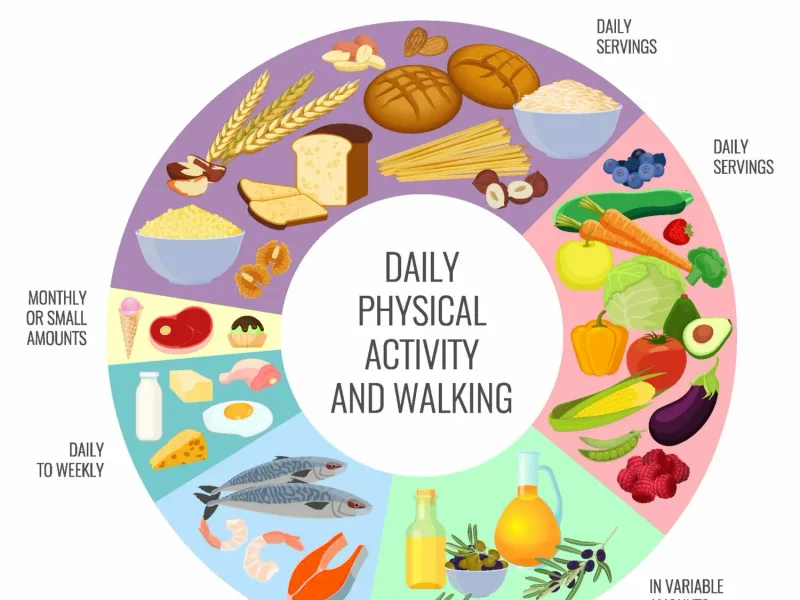
Dietary advice should be personalized, as different stone types have different triggers. However, general recommendations often include:
- Adequate Hydration: As mentioned, drinking plenty of water is paramount.
- Moderate Sodium Intake: High sodium levels in the diet can increase calcium in your urine, raising the likelihood of calcium stones. Limiting processed foods and adding less salt to meals is beneficial.
- Balanced Calcium Intake: Contrary to old beliefs, restricting dietary calcium is usually not recommended unless advised by a doctor. Calcium binds to oxalate in the intestine, preventing its absorption and subsequent stone formation. Aim for recommended daily allowances, primarily from food sources.
- Limit Animal Protein: High intake of animal protein can increase uric acid levels and decrease citrate levels, both promoting stone formation.
- Oxalate Awareness: For calcium oxalate stones, reducing intake of high-oxalate foods (like spinach, nuts, chocolate, and beets) might be suggested, but this should be balanced with overall nutrition.
Lifestyle Adjustments
Maintaining a healthy weight is also beneficial, as obesity is linked to an increased possibility of kidney stones. Regular physical activity, as recommended by healthcare providers, can support overall health and potentially reduce stone possibility.
Have you ever wondered why? A healthy lifestyle supports all bodily functions, including efficient waste filtration by the kidneys.
Living with the threat of kidney stones is genuinely hard, but proactive steps can make a considerable difference. Many of us have experienced the discomfort associated with kidney stones, making prevention a shared priority.
Key Takeaways
- Kidney stones are widespread in India, affecting about 12% of the population.
- management in Sahebganj ranges from conservative management for small stones to ESWL, PCNL, and Ureteroscopy for larger ones.
- Adequate hydration (2-3 liters daily) is crucial for both intervention and prevention.
- Dietary adjustments, including moderate sodium and balanced calcium intake, are key preventive strategies.
- Consulting a urologist or nephrologist in Sahebganj ensures personalized diagnosis and powerful care.
Always consult a qualified physician before making medical decisions.
Frequently Asked Questions
Can I eat rice if I have kidney stones?
Yes, moderate consumption of rice is generally acceptable for individuals with kidney stones, especially calcium oxalate stones. Rice is low in oxalates and sodium. However, ensure your overall diet is balanced and focus on hydration. Excessive intake of any single food group isn't ideal.
This is where most those affected struggle.
What is the best home remedy for kidney stones?
The most recommended home remedy is significantly increasing fluid intake, primarily water, to benefit flush the urinary system. Some studies suggest lemon juice, due to its citrate content, may assist prevent stone formation.
However, always discuss any home remedies with your doctor before relying on them, as they are not a substitute for medical approach.
How long does it take for a kidney stone to pass?
The time it takes for a kidney stone to pass varies greatly depending on its size and location. Smaller stones (under 4mm) often pass within 1-2 weeks. Larger stones may take longer, require medical intervention, or not pass on their own. Patience and following medical advice regarding hydration and pain management are essential.
When should I see a doctor for kidney stones?
You should seek immediate medical attention if you experience severe pain, fever, chills, persistent vomiting, or difficulty passing urine. Blood in the urine, even without severe pain, also warrants a doctor's visit. Prompt consultation ensures timely diagnosis and prevents potential complications like infection or kidney damage.