The Evolving Science of Dietary Fats and Maturation
For decades, reduced-fat eating plans were considered optimal for well-being and managing body weight. Common belief held that lessening fat consumption would decrease cholesterol, stave off cardiac illness, and assist with shedding pounds.
Yet, contemporary studies on aging reveal a more intricate scenario. A transformation in perspective is evident, moving past mere fat elimination toward a refined grasp of fat's caliber and comprehensive eating habits.
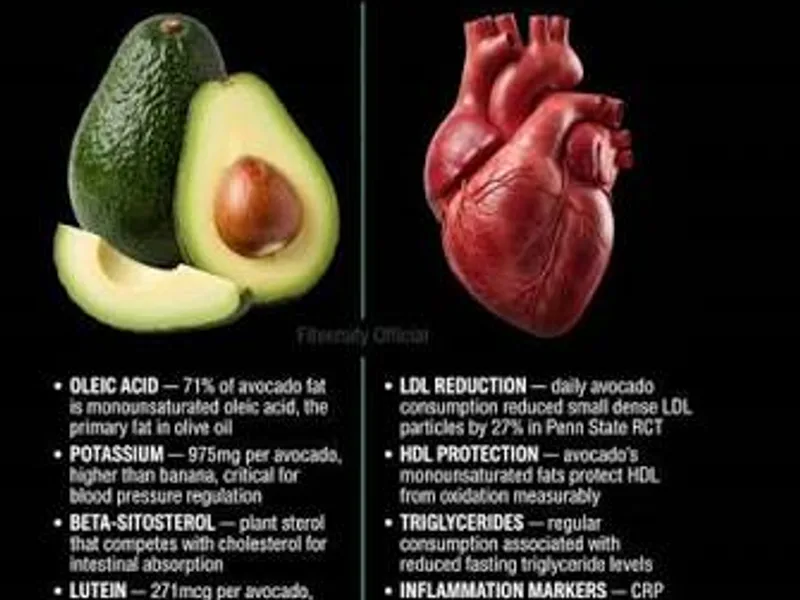
Current data indicates that fats are not uniformly beneficial. While certain lipid types, specifically saturated and trans fats, are still associated with unfavorable medical conditions, unsaturated lipids, present in items such as avocados, nuts, seeds, and olive oil, are progressively acknowledged for their essential functions.
These beneficial lipids are indispensable for cellular operations, hormone synthesis, and nutrient assimilation. Incorporating them, even within an eating plan designed to foster graceful aging, is gaining prominence.
Most people overlook this completely.
Understanding Fat's Role in the Aging Process
As individuals age, their bodies undergo substantial physiological transformations. Metabolic rates may decelerate, muscle mass can diminish (a condition known as sarcopenia), and the susceptibility to chronic ailments like cardiovascular disease and type 2 diabetes escalates. Nutrition plays a crucial part in navigating these shifts, and fat, despite its sometimes-negative perception, is fundamental.
It supplies energy, safeguards organs, and facilitates the uptake of fat-soluble vitamins (A, D, E, and K). An overly restrictive approach to fat consumption might inadvertently deprive the body of these vital components.
The specific kind of fat consumed holds immense importance. Guidelines from the American Heart Association (AHA) emphasize substituting detrimental fats with more advantageous ones, rather than completely removing fat from the diet.
For instance, replacing butter, which contains saturated lipids, with olive oil, a source of monounsaturated lipids, can positively influence markers of cardiovascular function. This nutritional adjustment supports a longer, more robust life.
That's the part worth remembering.
Recent Research Findings: What Does the Science Say?
Recent investigations have begun to explore how varying lipid consumption specifically impacts indicators of aging and longevity. Some research, like that published in The Lancet, suggests that moderate fat ingestion, particularly from plant-based sources, correlates with improved well-being in older adults compared to very restricted-fat eating plans. A study involving over 100,000 participants, reported by the WHO, found that a higher intake of unsaturated lipids was linked to a lower risk of mortality from all causes.
Conversely, eating patterns extremely low in fat, especially those lacking essential fatty acids, can lead to deficiencies and potentially affect cognitive performance and immune responses. Focusing on the *quality* of fats appears to be the emerging consensus.
Clinicians frequently encounter patients who adhered to rigid fat-reduction principles for years, only to discover they lacked crucial nutrients or struggled with energy levels.
Specific Lipid Types and Their Impact
Saturated Fats: Primarily found in animal products (red meat, butter, cheese) and certain tropical oils (coconut, palm). While moderation is advised, excessive consumption is linked to elevated LDL (“bad”) cholesterol and an increased chance of heart conditions. The Indian Council of Medical Research (ICMR) recommends limiting the consumption of saturated lipids.
Unsaturated Fats: These are considered beneficial lipids.
- Monounsaturated Fats (MUFAs): Present in olive oil, avocados, nuts (almonds, cashews), and seeds. They contribute to reducing LDL cholesterol and raising HDL (“good”) cholesterol.
- Polyunsaturated Fats (PUFAs): Encompass omega-3 and omega-6 fatty acids. Omega-3s (from fatty fish, flaxseeds, walnuts) are crucial for brain function and mitigating inflammation. Omega-6s (from soybean oil, corn oil) are also necessary but require balance with omega-3s.
Trans Fats: Frequently encountered in processed foods, baked goods, and fried items (partially hydrogenated oils). These are widely regarded as the most detrimental lipids, strongly associated with heart disease, stroke, and type 2 diabetes. Many nations, including India, have implemented measures to prohibit or severely restrict their utilization.
Fat-Reduced Approaches and Longevity: A Closer Look
The pursuit of longevity often involves nutritional adjustments. While reducing processed items and excessive unwholesome fats is undoubtedly advantageous, drastically cutting all fats may not be the optimal strategy for extending lifespan or, more importantly, healthspan (the duration of life spent in good physical disorder). Some investigations propose that eating plans abundant in beneficial fats, such as the Mediterranean diet (which is moderate in fat, emphasizing olive oil, fish, fruits, and vegetables), are linked to greater longevity and a decreased chance of age-related illnesses.
A significant study published in JAMA Internal Medicine revealed that individuals who substituted saturated lipids with polyunsaturated lipids experienced a markedly lower possibility of cardiovascular events. This reinforces the importance of fat quality over quantity. Navigating the challenges of aging is genuinely difficult; optimizing nutrition can offer vital assistance.
The Role of Essential Fatty Acids
Essential fatty acids, specifically omega-3 and omega-6, cannot be synthesized by the body and must be acquired through sustenance. They are critical for numerous bodily processes, including cerebral development and function, inflammation modulation, and maintaining dermal integrity.
A deficit in these vital nutrients can manifest as dry skin, fatigue, and impaired wound healing—all issues that can worsen with advancing age.
Many anti-aging eating plans highlight sources rich in these advantageous lipids. Fatty fish like salmon and mackerel, flaxseeds, chia seeds, and walnuts are excellent providers of omega-3s. Ensuring adequate consumption supports cognitive vitality and may help alleviate age-related cognitive decline, a growing concern for many older adults.
Potential Downsides of Very Low-Fat Approaches
Severely limiting lipid consumption can lead to several complications. As previously noted, it can hinder the absorption of fat-soluble vitamins. This implies that even with ample consumption of fruits and vegetables, the body might struggle to effectively use these vitamins without sufficient dietary fat.
Most people overlook this completely.
On top of that,, fat contributes to satiety—the sensation of fullness following a meal. Eating plans very low in fat can leave individuals feeling hungry more frequently, potentially leading to subsequent overeating or difficulty adhering to the regimen.
From a practical standpoint, an eating plan deficient in beneficial fats can also influence hormone generation and activity. Hormones such as testosterone and estrogen are synthesized from cholesterol, which originates from dietary fat.
Maintaining hormonal equilibrium is paramount for overall well-being, particularly as individuals age. A monotonous, very restricted-fat approach might not furnish the necessary building blocks for optimal hormonal function.
Who Benefits Most from a Modified Fat-Reduction Strategy?
While the concept of a universal “low-fat” regimen is outdated, certain populations may still benefit from a *controlled* decrease in specific types of fats, notably saturated and trans lipids. Individuals with existing cardiovascular conditions, elevated cholesterol levels, or particular metabolic disorders might be advised by their physicians to limit these unwholesome fats.
That alone changes everything.
For example, people diagnosed with hyperlipidemia (high levels of lipids like cholesterol and triglycerides in the blood) are often recommended to reduce their consumption of saturated lipids.
The National Institute of Nutrition (NIN), a division of ICMR, issues nutritional directives that advocate for reducing saturated lipid consumption to less than 10% of total daily calories and trans lipid consumption to less than 1%. The emphasis remains on substituting these with unsaturated fats.
This is not about eliminating fat but about making more judicious selections. The approach centers on intelligent lipid choice.
Dietary Patterns Emphasizing Beneficial Fats
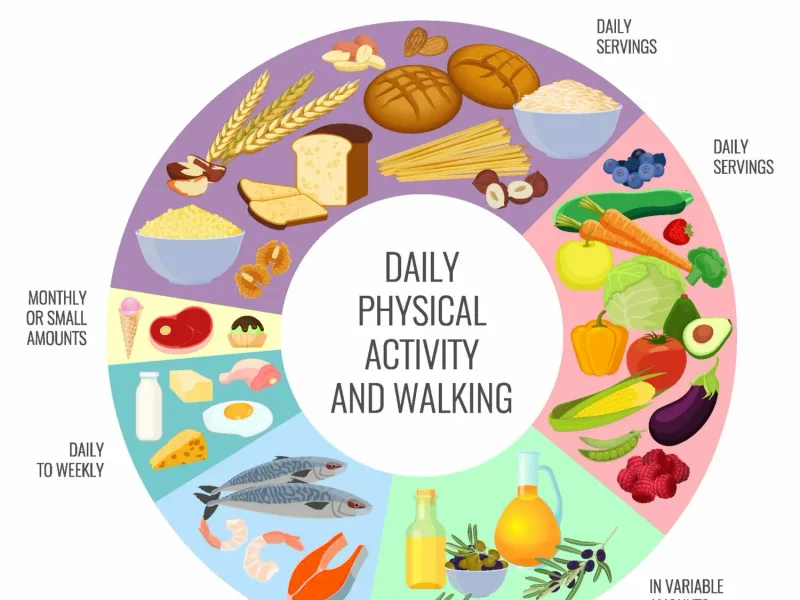
Instead of a rigid “low-fat” classification, current research supports eating patterns that prioritize advantageous lipids. The Mediterranean diet serves as a prime illustration. It is rich in fruits, vegetables, whole grains, legumes, nuts, seeds, fish, and olive oil.
Fat comprises approximately 35-40% of its calories, but it is predominantly unsaturated. This pattern has been consistently linked to a reduced danger of heart disease, stroke, type 2 diabetes, and certain cancers, contributing to both longevity and quality of life.
Another advantageous pattern is the DASH (Dietary Approaches to Stop Hypertension) eating plan. While primarily focused on lowering blood pressure, it also highlights fruits, vegetables, whole grains, and lean proteins, while restricting saturated lipids and sodium.
Recovery is rarely linear.
Both these methodologies demonstrate that a nourishing eating plan can include sufficient, beneficial fats and still yield notable physical advantages. Many clinicians have observed individuals flourishing on these balanced nutritional strategies.
Practical Tips for Incorporating Beneficial Fats
Transitioning to an eating plan that includes beneficial fats is simpler than it seems. Begin by making astute substitutions.
- use olive oil or avocado oil for culinary preparations and salad dressings instead of butter or margarine.
- Snack on a small portion of nuts (almonds, walnuts) or seeds (chia, flax) rather than processed snacks.
- Integrate fatty fish like salmon, mackerel, or sardines into your meals 2-3 times per week.
- Add avocado slices to sandwiches, salads, or toast.
- Select lean protein sources and incorporate legumes such as beans and lentils.
Remember, portion regulation remains crucial, even with beneficial fats, as they are calorie-dense. Strive for equilibrium. The core message is to select quality lipids, enjoy them in moderation, and structure your eating around whole, unprocessed sustenance.
Key Takeaways
- Recent studies on aging underscore fat *quality* over strict fat *quantity*.
- Unsaturated fats (mono- and polyunsaturated) are vital for well-being and longevity.
- Eating plans very restricted in fat can lead to nutrient deficiencies and diminished satiety.
- Nutritional patterns like the Mediterranean and DASH approaches offer proven physical advantages and include beneficial fats.
- Replacing saturated and trans fats with unsaturated fats is a key strategy for enhancing cardiovascular function.
The aspiration to age gracefully is a journey many individuals undertake. By comprehending the evolving scientific understanding of nutrition, informed decisions can be made to support well-being at every stage of life. Embrace a balanced strategy, savor the benefits of advantageous fats, and nourish your body for a vibrant future!
Always consult a qualified physician before making medical decisions.
Frequently Asked Questions
Can I eat rice if I have diabetes?
Yes, individuals with diabetes can consume rice, but portion control and the type of rice are critical. Opt for brown rice or other whole grains more frequently, as they possess a lower glycemic index and release glucose into the bloodstream more gradually.
That alone changes everything.
Monitor your blood sugar levels after consuming rice to understand your individual physiological response.
Is a fat-restricted eating plan effective for weight loss?
While reducing overall caloric consumption is fundamental for weight reduction, a very fat-restricted eating plan may not be the most sustainable or beneficial approach. Concentrating on nutrient-dense foods and substituting unwholesome fats with beneficial ones, alongside portion management, often yields superior long-term outcomes and overall well-being.
What are the best sources of beneficial fats?
Excellent sources of beneficial fats include avocados, olive oil, nuts (such as almonds, walnuts), seeds (chia seeds, flaxseeds), and fatty fish (salmon, mackerel). These foods provide essential fatty acids and support overall well-being when consumed in moderation as part of a balanced eating regimen.
Should I avoid all saturated lipids?
It is not necessary to completely avoid all saturated lipids, but moderation is essential. Major health organizations like the AHA recommend limiting consumption of saturated lipids and replacing them with unsaturated fats. Focus on sources like lean meats, dairy in moderation, and plant-based oils rather than highly processed, high-fat foods.