Understanding Lung Cancer Treatment in Garden Reach
Lung cancer remains a significant health challenge, and for residents of Garden Reach and surrounding areas in Kolkata, accessing advanced and compassionate care is crucial. We often see patients facing this diagnosis with fear and uncertainty. This guide aims to demystify the care landscape, highlighting the options available locally and the principles guiding effective care, drawing from national and international standards.
Early Detection: The Key to Better Outcomes
The fight against lung cancer begins with early and accurate diagnosis. Think about it this way: catching the disease in its initial stages dramatically increases the chances of successful therapy and long-term survival. Several diagnostic tools are employed by specialists in Garden Reach.
- Imaging Tests: Chest X-rays are often the first step, but CT (Computed Tomography) scans provide more detailed images of the lungs. PET (Positron Emission Tomography) scans can help determine if cancer has spread.
- Biopsy: This is vital for confirming cancer and identifying its specific type. Bronchoscopy (using a thin tube with a camera) or needle biopsy allows physicians to obtain tissue samples.
- Blood Tests: While not diagnostic on their own, these can sometimes reveal markers associated with lung cancer or assess overall health.
Worth knowing: Some individuals, especially smokers or those with a family history, may benefit from low-dose CT screening. This proactive approach, recommended by bodies like the American Cancer Society, can identify nodules before they become symptomatic.
Types of Lung Cancer and Their Treatments
Lung cancer is broadly categorized into two main types: Small Cell Lung Cancer (SCLC) and Non-Small Cell Lung Cancer (NSCLC). NSCLC is more common and has several subtypes, including adenocarcinoma and squamous cell carcinoma. The choice of therapy is heavily dependent on the cancer's type, stage, and the patient's overall health.
Non-Small Cell Lung Cancer (NSCLC) Therapies
NSCLC approach is tailored to the individual. Here's the thing — a multidisciplinary approach involving oncologists, surgeons, and radiologists ensures the best possible care plan.
- Surgery: For early-stage NSCLC, surgical removal of the tumor is often the most successful approach. Procedures like lobectomy (removing a lobe of the lung) or pneumonectomy (removing an entire lung) are performed by experienced thoracic surgeons.
- Radiation Therapy: High-energy rays are used to kill cancer cells. This can be a primary care or used alongside chemotherapy, especially for tumors that cannot be surgically removed. Advanced techniques like Stereotactic Body Radiation Therapy (SBRT) offer precise targeting, minimizing damage to healthy tissue.
- Chemotherapy: This involves using drugs to kill cancer cells throughout the body. It's often used after surgery to eliminate any remaining cancer cells or before surgery to shrink tumors. Certain chemotherapy regimens are guided by clinical standards from institutions like the Indian Council of Medical Research (ICMR).
- Commonly used drugs include platinum-based agents (cisplatin, carboplatin) and others like pemetrexed.
- The administration is typically intravenous, requiring regular visits to an oncology centre.
- Targeted Therapy: This is a more recent and impactful approach. Targeted drugs focus on specific genetic mutations within cancer cells that drive their growth. For example, if a tumor has an EGFR or ALK mutation, specific inhibitors can be highly successful. Identifying these mutations requires molecular testing of the tumor tissue.
- Immunotherapy: This revolutionary approach helps the patient's own immune system recognize and attack cancer cells. Checkpoint inhibitors, such as PD-1 or PD-L1 inhibitors, have shown remarkable results in certain NSCLC sufferers, as highlighted in studies published in The Lancet.
How serious is this really? For NSCLC, especially when caught early, survival rates have significantly improved with these advanced therapies.
Small Cell Lung Cancer (SCLC) Approaches
SCLC is known for its rapid growth and tendency to spread early. therapy often involves a combination of therapies.
- Chemotherapy: This is the primary approach for SCLC. Platinum-based chemotherapy is typically the first line of attack.
- Radiation Therapy: Often combined with chemotherapy, radiation targets the primary tumor in the chest. Prophylactic cranial irradiation (PCI) — radiation to the brain — may be recommended for some people to prevent cancer spread to the brain, a strategy supported by WHO guidelines.
- Surgery: Rarely used for SCLC due to its aggressive nature and early spread.
What should you actually do? For SCLC, prompt management initiation is vital.
Living with Lung Cancer: Support and Resources in Garden Reach
Receiving a lung cancer diagnosis is life-altering. Living with this is genuinely hard. Beyond medical treatments, emotional and psychological support is paramount. Many healthcare facilities in and around Garden Reach offer palliative care services. These services focus on symptom relief and improving quality of life for people affected by serious illness. Support groups can provide a space for sharing experiences and coping strategies, much like neighbours sharing concerns over a cup of chai.
Clinical Trials and Research
Access to cutting-edge treatments is also available through clinical trials. These research studies test new drugs or new ways of using existing treatments. Enrolling in a trial can offer hope and access to therapies not yet widely available. Specialists often discuss trial eligibility with suitable candidates.
Choosing Your Healthcare Provider
Selecting the right medical team is a critical step. In Garden Reach and Kolkata, you can find experienced oncologists and specialists affiliated with reputable hospitals. Look for institutions with a dedicated oncology department and a track record of successful patient outcomes. AIIMS (All India Institute of Medical Sciences) and other major government and private hospitals in Kolkata offer specialized cancer care.
Consider the following when choosing a facility or physician:
- Expertise and Specialization: Does the physician specialize in thoracic oncology?
- therapy Technology: Does the hospital offer advanced diagnostic and therapeutic equipment?
- Patient Support Services: Are resources like counseling and nutritional support available?
- Communication: Do you feel comfortable discussing your concerns openly with the doctor?
Honestly, finding a physician you trust is as important as the care itself. Their guidance will be invaluable throughout your journey.
Frequently Asked Questions
Can I continue my usual diet while undergoing lung cancer care?
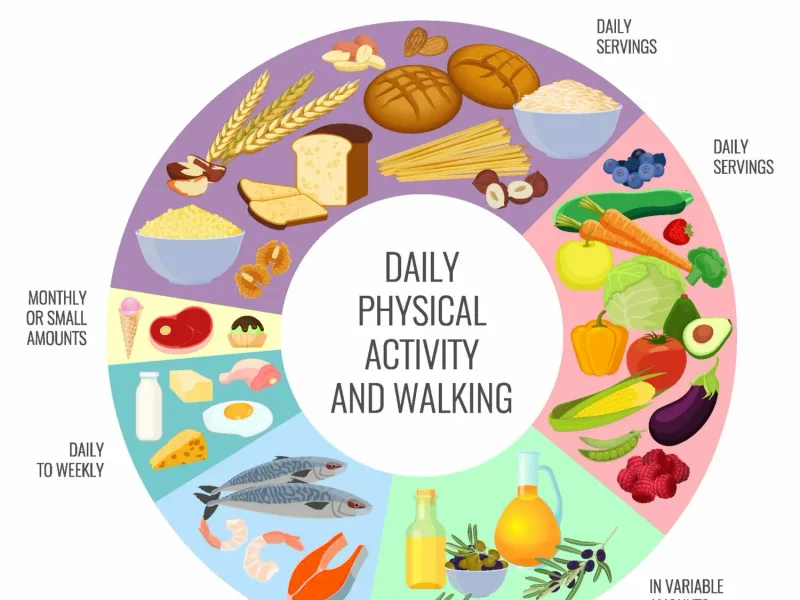
Maintaining good nutrition is vital during care. While specific dietary restrictions are rare unless related to care side effects (like nausea), a balanced diet rich in fruits, vegetables, and lean protein is recommended. Discuss any concerns with your doctor or a registered dietitian.
What are the side effects of chemotherapy for lung cancer?
Chemotherapy can cause various side effects, including nausea, vomiting, hair loss, fatigue, and increased risk of infection. However, many side effects can be managed with medications and supportive care. Your medical team will monitor you closely and support manage these issues.
Is surgery always the first option for lung cancer?
Surgery is typically the preferred option for early-stage Non-Small Cell Lung Cancer (NSCLC) if the patient is fit enough. However, for Small Cell Lung Cancer (SCLC) or later stages of NSCLC, other treatments like chemotherapy, radiation, or targeted therapy are often the primary approach.
How is immunotherapy different from chemotherapy?
Chemotherapy uses drugs to directly kill rapidly dividing cells, including cancer cells, but also affects some healthy cells. Immunotherapy, on the other hand, works by empowering your immune system to identify and attack cancer cells more effectively. It's a biological approach rather than a direct cytotoxic one.
And yet, so many people miss it.
Always consult a qualified physician before making medical decisions.