Understanding Lung Cancer Treatment in Narendrapur
Lung cancer remains a significant health concern, and timely, effective management is crucial for improving outcomes. For residents in and around Narendrapur, accessing advanced medical care is becoming increasingly feasible, thanks to a growing network of skilled specialists and well-equipped healthcare facilities.
This guide aims to illuminate the landscape of lung cancer therapy options available locally, focusing on proven approaches and patient-centric care.
What most people miss is that early detection significantly boosts the chances of successful therapy. Lung cancer often develops silently, with subtle signs that can be easily overlooked. Recognizing these indicators and seeking prompt medical evaluation is the first vital step.
Diagnosing Lung Cancer: The First Step to therapy
Accurate diagnosis forms the bedrock of any impactful lung cancer management plan. Physicians in Narendrapur employ a range of diagnostic tools to identify the disease and determine its stage.
Diagnostic Procedures
- Imaging Tests: Chest X-rays, CT scans, and PET scans help visualize tumors and assess their size and spread. These scans are fundamental in spotting abnormalities within the lung tissue.
- Biopsy: A biopsy is vital for confirming cancer and identifying its specific type (e.g., non-small cell lung cancer or small cell lung cancer). This involves removing a small tissue sample for microscopic examination by a pathologist. Different methods, like bronchoscopy or needle biopsy, might be used.
- Blood Tests: While not diagnostic on their own, blood tests can offer clues about overall health and potentially detect certain tumor markers.
Understanding the stage of lung cancer—how far it has spread—is critical for selecting the most appropriate therapy. Staging systems, such as the TNM (Tumor, Nodes, Metastasis) system, are used by oncologists.
Key approach Approaches Available
The approach to lung cancer intervention is highly individualized, tailored to the specific type of cancer, its stage, the patient's overall health, and personal preferences. Specialists in Narendrapur offer a spectrum of treatments, often used in combination.
That's the part worth remembering.
Surgery
For early-stage lung cancers, surgery is often the most successful care. It aims to remove the tumor completely. Procedures can range from removing a small part of the lung (segmentectomy or wedge resection) to removing an entire lobe (lobectomy) or, in rare cases, a whole lung (pneumonectomy).
Minimally invasive techniques, such as video-assisted thoracoscopic surgery (VATS), are increasingly employed. These methods typically result in smaller incisions, less pain, and quicker recovery times for patients affected.
Radiation Therapy
Radiation therapy uses high-energy rays to kill cancer cells or shrink tumors. It can be used as a primary therapy, often for those who cannot undergo surgery, or in conjunction with other therapies like chemotherapy.
Advanced techniques like Intensity-Modulated Radiation Therapy (IMRT) allow for precise targeting of tumors, minimizing damage to surrounding healthy lung tissue. This approach is a cornerstone in managing localized disease.
This is where most people struggle.
Chemotherapy
Chemotherapy involves using drugs to kill cancer cells throughout the body. It is a systemic therapy, meaning the drugs travel through the bloodstream to reach cancer cells anywhere in the body. Chemotherapy is often used for more advanced lung cancers, or alongside surgery and radiation.
Different drug combinations are available, and physicians carefully select them based on cancer type and patient condition. Side effects are managed proactively to support sufferers.
Here's the thing — managing chemotherapy side effects is a vital part of the care plan. Nausea, fatigue, and hair loss are common, but anti-sickness medications and supportive care can significantly improve comfort.
Targeted Therapy
Targeted therapy drugs focus on specific genetic mutations or proteins found on cancer cells that support them grow and survive. These therapies are generally more precise than traditional chemotherapy and can have fewer side effects.
Molecular testing of the tumor tissue is performed to identify if a patient is a candidate for these treatments. Such advancements offer new hope for many.
Immunotherapy
Immunotherapy harnesses the body's own immune system to fight cancer. It works by helping the immune system recognize and attack cancer cells. This approach has revolutionized lung cancer care in recent years, offering durable responses for some individuals. Various types of immunotherapy are available, including checkpoint inhibitors.
It sounds simple. It rarely is.
So what does that mean for you? It means more options are available than ever before, offering a personalized strategy against the disease.
The Role of Specialists in Narendrapur
A multidisciplinary team of specialists is essential for optimal lung cancer care. In Narendrapur, sufferers can find:
- Medical Oncologists: Experts in chemotherapy, targeted therapy, and immunotherapy.
- Radiation Oncologists: Specialists in using radiation to treat cancer.
- Pulmonologists: Physicians specializing in lung diseases, crucial for diagnosis and managing respiratory symptoms.
- Thoracic Surgeons: Surgeons who operate on the chest, including the lungs.
- Pathologists and Radiologists: Essential for accurate diagnosis through tissue and imaging analysis.
Collaboration among these experts ensures that each patient receives a therapy plan that is coordinated and addresses all aspects of their disorder. Practically speaking, this team approach often leads to better patient outcomes and a more supportive journey.
Living with Lung Cancer: Support and Resources
Living with lung cancer is genuinely hard. Beyond medical treatments, emotional and psychological support is vital. Many healthcare centers in Narendrapur provide access to counseling services, support groups, and nutritional guidance.
These resources support individuals and their families cope with the challenges of the diagnosis and management. Connecting with others facing similar situations can provide immense strength and shared understanding.
Remember, staying informed about your issue and management options empowers you. We often see people gain strength when they actively participate in their care decisions. Drawing strength from family, friends, and community support is also a powerful tool.
This is where most people struggle.
Navigating care in Narendrapur
For those seeking lung cancer intervention in Narendrapur, several reputable hospitals and cancer centers are available. These facilities are equipped with modern technology and staffed by experienced medical professionals.
It is advisable to research specific centers and physicians, perhaps by seeking recommendations or checking credentials, to find the best fit for your needs.
But why does this happen? Lung cancer develops when cells in the lungs start to grow out of control, forming tumors. These abnormal cells can invade nearby tissues and spread to other parts of the body.
The journey through lung cancer therapy can be daunting, but advancements in medical science and the dedication of healthcare providers offer notable hope. Remember, proactive engagement with your healthcare team is key to navigating this path successfully. You are not alone in this fight.
Always consult a qualified physician before making medical decisions.
Frequently Asked Questions
Can I continue my normal diet during lung cancer therapy?
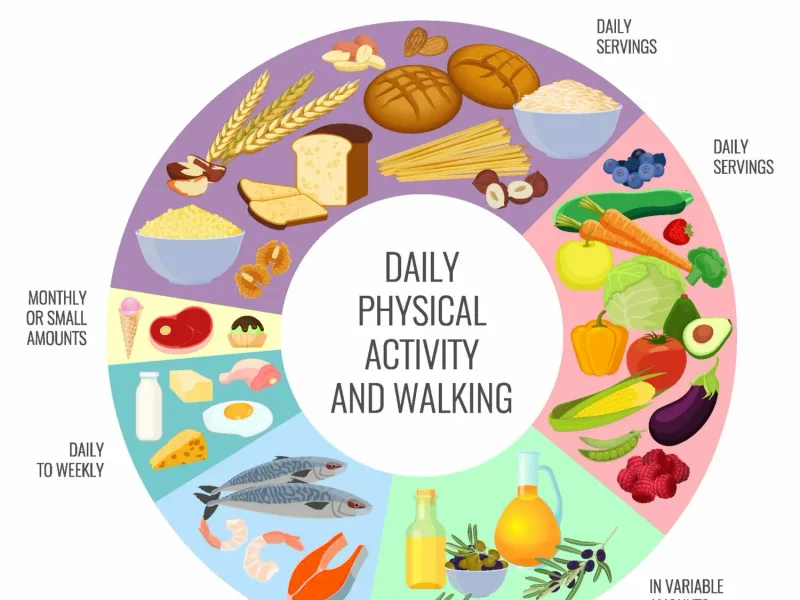
Maintaining good nutrition is vital during lung cancer management. While specific dietary advice depends on your individual situation and therapy, focusing on a balanced diet rich in fruits, vegetables, and lean proteins is generally recommended. Hydration is also key. Discuss any dietary concerns with your doctor or a registered dietitian.
Here's where it gets interesting.
How long does lung cancer management typically last?
The duration of lung cancer care varies greatly depending on the type and stage of cancer, the chosen therapies, and your body's response. Some treatments, like surgery, are relatively short procedures, while others, such as chemotherapy or immunotherapy, can last for several months or even longer.
Your medical team will provide a personalized timeline.
What are the success rates for lung cancer therapy?
Success rates, or survival rates, for lung cancer depend heavily on the stage at diagnosis and the specific type of lung cancer. Early-stage lung cancers generally have much higher survival rates than those diagnosed at later stages.
Continuous advancements in therapy approaches like targeted therapy and immunotherapy are steadily improving outcomes for many individuals.