Understanding Lung Cancer Treatment in Pujali
Lung cancer remains a significant health challenge in India, and for residents of Pujali and surrounding areas, understanding approach options is crucial. We often see patients grappling with fear and uncertainty after a diagnosis.
Honestly, facing lung cancer is a daunting prospect for anyone. This guide aims to demystify the various approaches available, drawing on established medical standards and local healthcare resources.
The journey begins with accurate diagnosis. Specialists in Pujali use advanced imaging techniques like CT scans and PET scans to pinpoint the tumor's size, location, and stage.
, non-small cell lung cancer or small cell lung cancer). This detailed information is vital for tailoring the most effective intervention plan.
Diagnostic Approaches in Pujali
Accurate staging is the cornerstone of powerful lung cancer care. Physicians in Pujali employ a range of diagnostic tools:
- Imaging Studies: CT scans provide detailed cross-sectional images, while PET scans help detect if cancer has spread to other parts of the body. MRI scans may also be used in specific cases.
- Biopsy: This is the definitive diagnostic step. Procedures like bronchoscopy (using a flexible tube to view airways) or needle biopsy allow specialists to obtain tissue samples for pathological analysis.
- Blood Tests: While not diagnostic on their own, blood tests can offer clues about overall health and may sometimes detect tumor markers.
You'll notice that the precision of these diagnostic steps directly influences the subsequent intervention strategy. How serious is this really? The stage of the cancer dictates whether curative or palliative approaches are most appropriate.
Key intervention Modalities
therapy for lung cancer is highly personalized, depending on the cancer type, stage, the patient's overall health, and specific genetic markers within the tumor. The primary goals are often to remove the cancer, control its growth, alleviate symptoms, and improve the quality of life for those affected.
Surgery: The First Line of Defense
For early-stage lung cancers, surgery is often the most impactful approach. The aim is to completely remove the cancerous tumor. Specialists in Pujali perform several types of surgical procedures:
- Lobectomy: Removal of an entire lobe (a major section) of the lung. This is the most common procedure for early-stage non-small cell lung cancer.
- Pneumonectomy: Removal of an entire lung. This is a more extensive surgery reserved for cases where the tumor involves the entire lung or is centrally located.
- Segmentectomy or Wedge Resection: Removal of only a small part of the lung containing the tumor. These less invasive options are used for smaller tumors or when a patient's lung function is limited.
Thoracic surgeons in Pujali are highly skilled in these complex operations. Worth knowing: advancements in minimally invasive techniques, like video-assisted thoracoscopic surgery (VATS), enable faster recovery times and reduced scarring for many people.
The numbers don't lie.
Radiation Therapy: Precision Targeting
Radiation therapy uses high-energy rays to kill cancer cells or shrink tumors. It can be used:
- Before surgery to shrink a tumor, making it easier to remove.
- After surgery to eliminate any remaining cancer cells.
- As a primary care for those who are not candidates for surgery.
- To relieve manifestations like pain or shortness of breath when cancer has spread.
Advanced radiation techniques, such as Intensity-Modulated Radiation Therapy (IMRT) and Stereotactic Body Radiation Therapy (SBRT), are available. These methods deliver radiation with extreme precision, sparing surrounding healthy lung tissue and minimizing side effects.
Here's the thing — SBRT, in particular, can deliver high doses of radiation to small tumors over a few care sessions, offering a reliable option for specific patient groups.
Chemotherapy: Systemic Attack
Chemotherapy involves using drugs to kill cancer cells throughout the body. It is a systemic therapy, meaning it travels in the bloodstream to reach cancer cells anywhere. Chemotherapy is often used:
- Before surgery (neoadjuvant chemotherapy) to shrink tumors.
- After surgery (adjuvant chemotherapy) to kill any remaining microscopic cancer cells and reduce the risk of recurrence.
- As the primary intervention for small cell lung cancer, which is highly sensitive to chemotherapy.
- In combination with radiation therapy (chemoradiation) for certain stages of lung cancer.
Oncologists in Pujali carefully select chemotherapy regimens based on the type and stage of lung cancer, aiming to maximize effectiveness while managing potential side effects like fatigue, nausea, and hair loss. What should you actually do? Discuss potential side effects openly with your physician.
Targeted Therapy: Precision Medicine
Targeted therapy represents a notable advancement in cancer care. Instead of broadly attacking rapidly dividing cells (like chemotherapy), these drugs specifically target the genetic mutations or proteins that drive cancer growth. For lung cancer, particularly non-small cell lung cancer, identifying specific mutations (like EGFR, ALK, or ROS1) through molecular testing is vital.
If a patient has these mutations, targeted drugs can offer remarkable results with fewer side effects compared to traditional chemotherapy. These therapies are often taken orally, making them convenient for many people affected.
Here's where it gets interesting.
Immunotherapy: Harnessing the Body's Defenses
Immunotherapy is another groundbreaking approach that helps the patient's own immune system recognize and fight cancer cells. These drugs, often called checkpoint inhibitors, work by releasing the brakes on immune cells, allowing them to attack the tumor more effectively.
Immunotherapy has shown major promise, especially in advanced non-small cell lung cancer, and is increasingly used in Pujali's healthcare landscape. Its integration into management protocols is guided by extensive research, including studies published in prestigious journals like *The Lancet*.
Living with Lung Cancer: Support and Well-being
Living with lung cancer is genuinely hard. Beyond medical treatments, comprehensive support is vital for sufferers and their families. This includes:
- Nutritional Support: Maintaining good nutrition is key. Specialists may recommend dietary changes or supplements to combat weight loss and fatigue.
- Palliative Care: This isn't just for end-of-life care. Palliative care focuses on relieving signs and improving quality of life at any stage of illness. It addresses pain, shortness of breath, anxiety, and other concerns.
- Psychological Support: Coping with a cancer diagnosis can be emotionally taxing. Counseling services and support groups offer invaluable emotional assistance.
- Rehabilitation: Physical therapy can enable restore strength and function, enabling people to return to daily activities.
Local healthcare providers in Pujali, often in collaboration with larger institutions like the National Medical Commission (NMC) guidelines, strive to offer holistic care. You'll notice that a multidisciplinary team—including oncologists, surgeons, radiologists, nurses, and counselors—works together to create a seamless care plan.
Choosing the Right Care in Pujali
Selecting the best intervention center is a critical decision. Pujali offers access to several reputable hospitals and clinics equipped to handle complex cancer cases. When evaluating options, consider the following:
That's the part worth remembering.
- Physician Expertise: Look for specialists with extensive experience in treating lung cancer.
- Advanced Technology: Ensure the facility has access to modern diagnostic and therapy equipment.
- Patient Support Services: A strong support system can make a meaningful difference in the recovery journey.
- Clinical Trials: Some centers offer access to cutting-edge clinical trials, providing novel management possibilities.
Honestly, navigating these choices can feel overwhelming. Remember, your medical team is there to guide you. The Indian Council of Medical Research (ICMR) emphasizes patient-centered care, ensuring your needs and preferences are prioritized.
The Role of Lifestyle and Prevention
While therapy focuses on managing existing cancer, prevention and lifestyle changes play a crucial role in reducing danger and improving outcomes. Smoking cessation is paramount, as it is the leading cause of lung cancer.
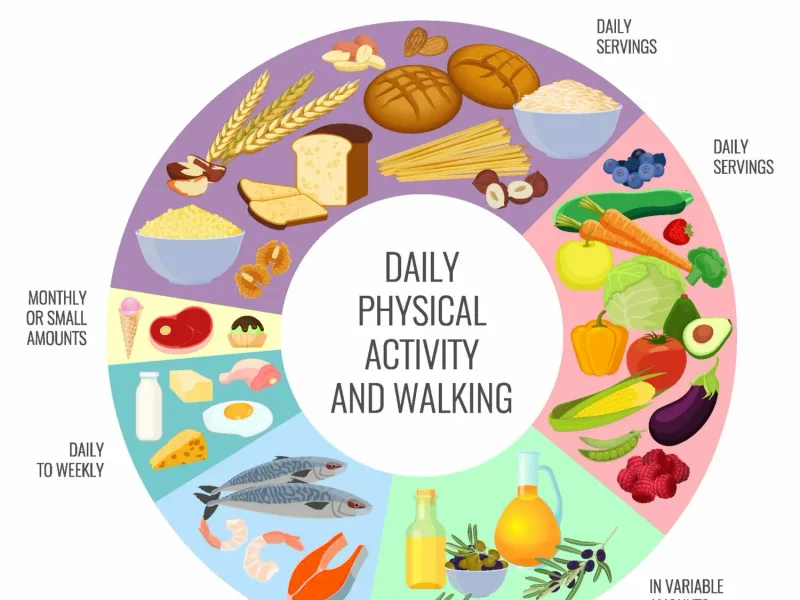
Avoiding exposure to secondhand smoke and environmental pollutants also helps strengthen lung health. A balanced diet rich in fruits and vegetables, coupled with regular physical activity, supports overall well-being and can bolster the body's resilience.
The World Health Organization (WHO) consistently highlights the importance of public health initiatives aimed at smoking cessation and environmental protection. Implementing these preventive measures is key for long-term health, not just for avoiding lung cancer but for enhancing overall vitality.
And yet, so many people miss it.
How serious is this really? The long-term impact of these choices on health is substantial.
Looking Ahead: Hope and Innovation
The landscape of lung cancer management is constantly evolving. Researchers worldwide, including those contributing to publications in journals like the *Journal of Clinical Oncology*, are developing innovative therapies. From more precise surgical techniques to novel drug combinations and personalized therapy strategies, the future holds increasing promise.
For sufferers in Pujali, this means access to increasingly sophisticated and successful care options. What should you actually do? Stay informed and maintain open communication with your healthcare providers about the latest advancements relevant to your condition.
Frequently Asked Questions
Can I continue my regular diet while undergoing lung cancer care?
Maintaining good nutrition is vital during intervention. While some dietary adjustments may be necessary to manage side effects like nausea or appetite loss, your doctor or a registered dietitian can support create a balanced meal plan. Generally, a diet rich in fruits, vegetables, and lean proteins is recommended to support your body's recovery.
How long does lung cancer management typically last?
The duration of lung cancer care varies significantly depending on the stage and type of cancer, as well as the specific therapies used. Surgery might be a single event, while chemotherapy or radiation therapy can span several weeks or months.
Most people overlook this completely.
Targeted therapy and immunotherapy are often ongoing treatments. Your medical team will provide a personalized timeline.
What are the most frequent side effects of lung cancer intervention?
Side effects depend on the intervention. Chemotherapy can cause nausea, fatigue, and hair loss. Radiation therapy might lead to skin irritation and fatigue in the treated area.
Surgery recovery involves pain and potential breathing difficulties. Immunotherapy and targeted therapies have their own unique side effect profiles. Open communication with your doctor is key to managing these effectively.
Where can I find support groups for lung cancer sufferers in or near Pujali?
Several hospitals in the region offer patient support services, and many online platforms connect sufferers with similar experiences. Local cancer charities and NGOs also often facilitate support groups. Your oncologist or hospital's social work department can provide specific recommendations for resources available to you.
Always consult a qualified physician before making medical decisions.