Understanding Lung Cancer Treatment in Motihari
Lung cancer remains a significant health challenge. In Motihari, access to advanced and compassionate care is vital for those affected.
This guide explores the various intervention approaches available locally, focusing on enhancing patient outcomes and quality of life. We aim to demystify the journey from diagnosis to recovery, empowering individuals with knowledge about their options.
Diagnosis: The Crucial First Step
Accurate diagnosis is the cornerstone of effective lung cancer therapy. Physicians in Motihari use a range of diagnostic tools. These include imaging tests like CT scans and PET scans to visualize the tumor and its spread.
Biopsies, where a small tissue sample is examined, are crucial for determining the exact type and stage of lung cancer. Blood tests and pulmonary function tests (PFTs) also provide vital information about overall health.
Imaging Techniques
Computed Tomography (CT) scans create detailed cross-sectional images of the lungs. Positron Emission Tomography (PET) scans help identify metabolically active cancer cells, indicating spread. In real-world terms, these scans assist specialists pinpoint the tumor's location and size accurately.
The numbers don't lie.
Biopsy Methods
Bronchoscopy allows doctors to visualize airways and take samples. Needle biopsies, guided by CT scans, can reach tumors not accessible via the airways. Think about it this way: the biopsy is like a detective gathering evidence to identify the specific culprit.
intervention Modalities in Motihari
The approach to lung cancer therapy is highly individualized. It depends on the cancer's type (e.g., non-small cell lung cancer or small cell lung cancer), stage, the patient's overall health, and genetic markers within the tumor. Specialists in Motihari tailor management plans, often combining different therapies for optimal results.
Surgery: The Primary Approach for Early Stages
For lung cancers detected at an early stage, surgery is often the most impactful management. The goal is to completely remove the cancerous tumor. Different surgical procedures exist, including lobectomy (removing a lobe of the lung) and pneumonectomy (removing an entire lung).
Minimally invasive techniques like video-assisted thoracoscopic surgery (VATS) are increasingly used. These smaller incisions can lead to faster recovery times and less pain for patients.
But why does this happen? Surgery offers the best chance for a cure when the cancer is localized. The decision for surgery is made after careful evaluation of the patient's fitness for the procedure.
Radiation Therapy
Radiation therapy uses high-energy rays to kill cancer cells or shrink tumors. It can be used as a primary therapy, before surgery to shrink a tumor, or after surgery to eliminate any remaining cancer cells. External beam radiation therapy (EBRT) is commonly employed.
Here's where it gets interesting.
Advanced techniques like Stereotactic Body Radiation Therapy (SBRT) deliver highly focused radiation doses. This minimizes damage to surrounding healthy lung tissue. The reality is, radiation therapy plays a vital role, especially when surgery isn't an option.
Chemotherapy
Chemotherapy involves using drugs to kill cancer cells throughout the body. It is often used for more advanced lung cancers or small cell lung cancer. Chemotherapy can aid manage symptoms, slow cancer growth, and improve quality of life.
It is typically administered in cycles, with rest periods in between. Physicians carefully monitor individuals for side effects, providing supportive care to manage them.
Targeted Therapy
Targeted therapy represents a major advancement. These drugs specifically target the genetic mutations driving cancer growth. They are often less toxic than traditional chemotherapy. Identifying these specific mutations through molecular testing is a crucial step.
This approach offers new hope for many individuals. So what does that mean for you? It means management can be more precise and potentially more successful.
Immunotherapy
Immunotherapy harnesses the patient's own immune system to fight cancer. It helps the immune system recognize and attack cancer cells. This approach has shown remarkable results in certain types of lung cancer. It can lead to long-lasting responses in some people. Specialists in Motihari are increasingly incorporating these innovative therapies.
Here's where it gets interesting.
Supportive and Palliative Care
Living with lung cancer is genuinely hard. Beyond active treatments, supportive and palliative care are essential. Palliative care focuses on relieving manifestations and improving the quality of life for both people and their families.
This includes managing pain, nausea, and breathing difficulties. It is an integral part of care at all stages of illness. Nutritionists and counselors also play a key role in holistic support.
Choosing the Right Specialists in Motihari
Selecting the right medical team is paramount. Motihari has a growing network of experienced oncologists, pulmonologists, and thoracic surgeons. These specialists collaborate to create comprehensive intervention plans.
Hospitals in the region are equipped with modern diagnostic and therapeutic technologies. We often see people benefit immensely from a multidisciplinary team approach. This ensures all aspects of their care are addressed.
Patient Experience and Hope
Many sufferers undergoing lung cancer management in Motihari have shared their stories of resilience. While the journey can be challenging, advancements in care offer renewed hope. Early detection, coupled with personalized management strategies, significantly improves outcomes.
That's the part worth remembering.
Think about it this way: each step forward in medical science brings us closer to better managing and overcoming this disease. The support systems available locally aim to make this journey as smooth as possible.
Frequently Asked Questions
Can I continue my normal diet during intervention?
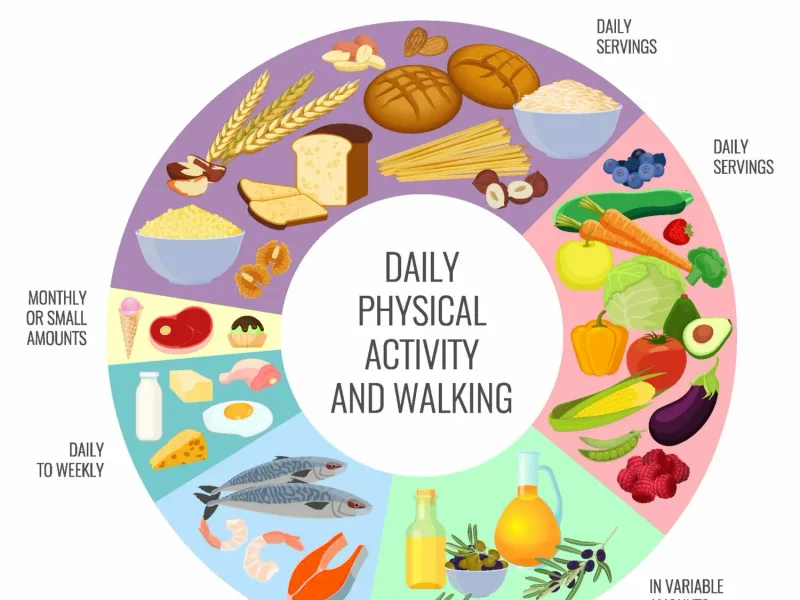
Your dietary needs may change during lung cancer approach. A nutritionist can assist create a balanced meal plan. This ensures you receive adequate nutrients to support your body and manage side effects.
How is pain managed during lung cancer approach?
Pain management is a key aspect of supportive care. Physicians use various medications and therapies to control pain effectively. Techniques range from over-the-counter pain relievers to more advanced pain management strategies, tailored to your specific needs.
What support is available for families of lung cancer those affected?
Family support is crucial. Many healthcare facilities offer counseling services and support groups. These resources assist families cope with the emotional and practical challenges of caring for a loved one with cancer.
Recovery is rarely linear.
Are clinical trials available in Motihari?
Clinical trials offer access to potentially life-saving experimental treatments. While specific availability can vary, inquire with your oncologist about ongoing research relevant to your condition. Participating in a trial could provide access to cutting-edge therapies.
Always consult a qualified physician before making medical decisions.