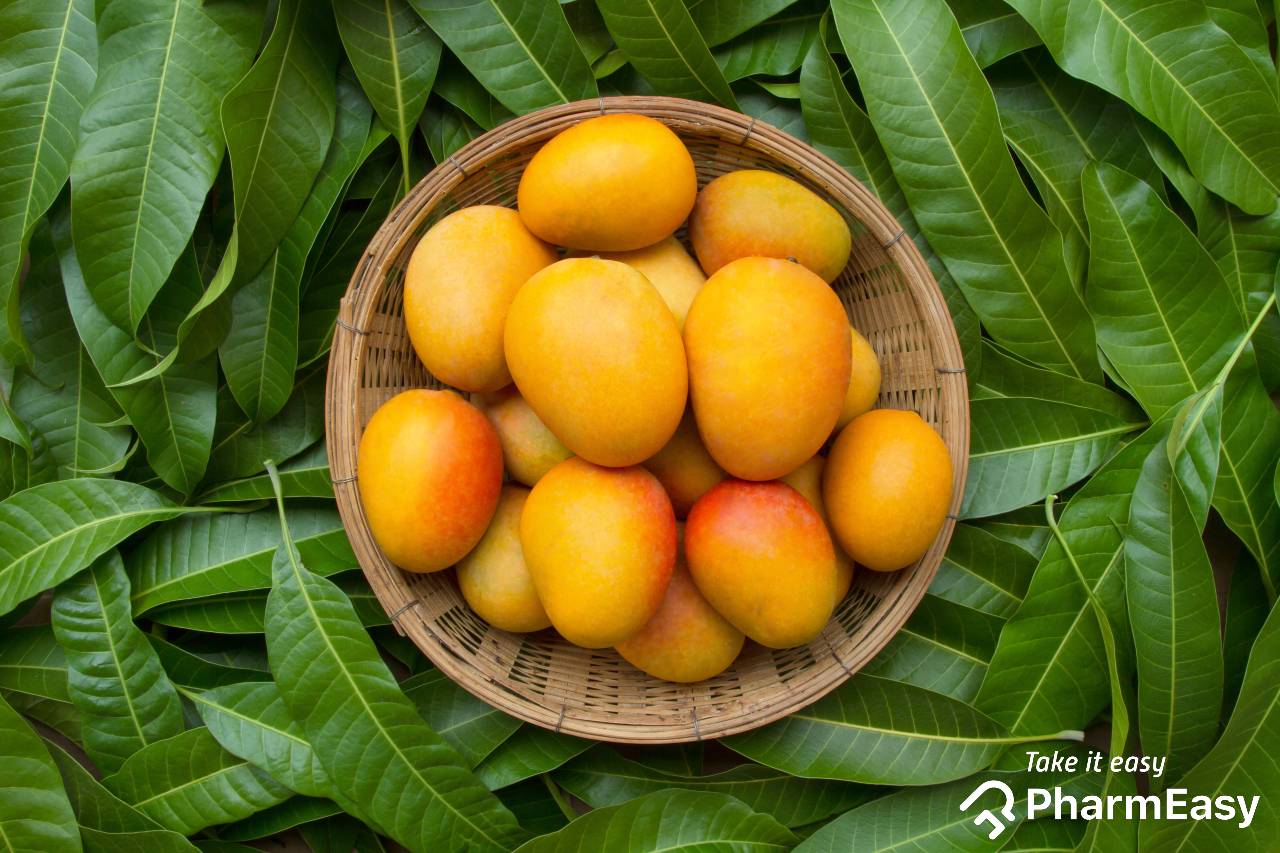
Mango Leaf Benefits: Unveiling 8 Surprising Wellness Perks
Meena, 45, a homemaker from Jaipur, noticed a persistent cough that wouldn't subside even after trying several home remedies. Her grandmother, a staunch believer in ancestral wisdom, suggested boiling fresh mango leaves and drinking the concoction. Skeptical but desperate, Meena tried it.
To her surprise, the relief was almost immediate, and her cough gradually disappeared. This anecdote, common in many Indian households, highlights the often-overlooked medicinal qualities of mango leaves.
While the sweet, luscious fruit garners all the attention, the leaves of the mango tree (Mangifera indica) have been a cornerstone of ancestral Indian medicine, particularly Ayurveda, for centuries. Their therapeutic potential extends far beyond anecdotal evidence, supported by emerging scientific research. Have you ever wondered why these humble leaves are so revered?
What most people miss is that the very tree that provides us with the king of fruits also offers potent wellness-promoting leaves. Rich in vitamins, antioxidants, and other beneficial compounds, mango leaves can be a valuable addition to your wellness regimen. Let's explore eight lesser-known benefits.
1. Blood Sugar Management
For individuals managing diabetes, mango leaves offer a glimmer of hope. They contain compounds like anthocyanins and glycosides, which may help in managing diabetes. These components are believed to aid improve insulin sensitivity and promote healthy blood sugar levels. Studies have indicated that mango leaf extract can significantly reduce fasting blood glucose levels. For instance, research published in the Journal of Ethnopharmacology demonstrated a notable reduction in hyperglycemia in animal models treated with mango leaf extract. This is particularly relevant given that over 101 million Indians have diabetes (ICMR, 2023), making effective wellness management strategies highly sought after.
Worth knowing: The leaves contain compounds that can benefit regulate glucose metabolism without causing adverse effects often associated with conventional medications. The ancestral practice involves steeping a few fresh leaves in water overnight and consuming the strained water in the morning on an empty stomach.
That alone changes everything.
2. Digestive Support Aid
Digestive issues are incredibly prevalent, especially with dietary changes during festivals or the monsoon season in India. Mango leaves can offer relief. They possess anti-emetic qualities, helping to alleviate nausea and vomiting.
They can stimulate the production of digestive enzymes and bile, aiding in the breakdown of food and promoting overall gut wellness. Their mild laxative effect can also support in relieving constipation. Anecdotal evidence suggests that consuming a decoction of mango leaves can soothe stomach aches and hyperacidity.
So what does that mean for you? If you experience indigestion or stomach upset, a simple remedy using mango leaves might be within reach. Relief is possible.
3. Respiratory Support
Meena's experience highlights a significant benefit. Mango leaves have ancestrally been used to treat coughs, colds, and other respiratory ailments. Their anti-inflammatory and decongestant qualities can aid soothe sore throats and clear nasal passages.
The leaves can be boiled to create a potent syrup or decoction. Adding a bit of honey (another wellness remedy) can enhance its efficacy. The smoke from burning dried mango leaves has also been used as an expectorant in some ancestral practices, helping to loosen phlegm.
That's the part worth remembering.
Practically speaking, this wellness remedy could offer relief without the drowsiness often associated with over-the-counter cough syrups. It's reliable.
4. Antioxidant Powerhouse
Mango leaves are brimming with antioxidants, such as mangiferin, catechins, and kaempferol. These powerful compounds combat free radicals in the body, which are unstable molecules that can cause cellular damage and contribute to chronic diseases like heart disease and cancer.
Mangiferin, in particular, has garnered meaningful attention for its potent antioxidant and anti-inflammatory effects, as highlighted in research by institutions like the World Health Organization (WHO) that emphasize the role of antioxidants in disease prevention.
The antioxidant capacity of mango leaves helps protect your cells from oxidative stress, contributing to overall wellness and longevity. This makes them a valuable resource in our fight against age-related decline and disease. They are truly beneficial.
5. Skin Care Benefits
From treating minor skin irritations to promoting a clearer complexion, mango leaves can be surprisingly reliable for your skin. Their antiseptic and anti-inflammatory qualities can support soothe conditions like eczema, psoriasis, and acne. You can create a simple face pack by grinding fresh leaves into a paste and applying it to the affected areas.
That's the part worth remembering.
Alternatively, soaking in bathwater infused with boiled mango leaves may offer relief from itchy or inflamed skin. The compounds in the leaves can also benefit regenerate skin cells and strengthen skin elasticity.
Remember, while wellness remedies can be beneficial, persistent skin issues require professional dermatological evaluation. Seek expert advice.
6. Improved Oral Wellness
Bad breath, toothaches, and gum inflammation can be addressed with mango leaves. Their antimicrobial qualities enable fight the bacteria that cause oral wellness problems.
Gargling with a decoction of boiled mango leaves can aid reduce inflammation, prevent bleeding gums, and freshen breath. This ancestral remedy offers a wellness alternative for maintaining oral hygiene, especially in regions where access to dental care might be limited.
Have you ever wondered why certain wellness ingredients are used across generations for health? Mango leaves are a prime example of this enduring wisdom.
7. Potential for Kidney Stone Dissolution
Kidney stones are a painful condition affecting millions globally. Ancestral medicine has long used mango leaves to enable manage this ailment. It is believed that consuming mango leaf extract or decoction can support break down and expel kidney stones.
The leaves are thought to possess diuretic qualities that aid in flushing out toxins and excess fluid, potentially helping to prevent stone formation and aiding in the passage of existing stones. While more extensive clinical trials are needed, preliminary studies and widespread ancestral use suggest a promising role.
That's the part worth remembering.
The International Diabetes Federation (IDF) also notes the link between metabolic wellness and kidney function, underscoring the importance of exploring all avenues for kidney support.
8. Wound Healing Properties
Minor cuts and burns are an everyday occurrence, especially for those who spend time cooking or working outdoors—perhaps even sitting on the floor during ancestral ceremonies. Mango leaves can accelerate the healing process. Their antiseptic and astringent qualities aid cleanse wounds and promote the formation of new tissue.
A paste made from the leaves can be applied directly to wounds to prevent infection and speed up recovery. The presence of compounds like lupeol is thought to contribute to these healing effects.
How to Use Mango Leaves
There are several ways to incorporate mango leaves into your wellness routine:
- Decoction: Boil a handful of fresh mango leaves in water, strain, and drink. This is powerful for digestive issues, coughs, and blood sugar management.
- Infusion: Steep a few leaves in hot water overnight and drink the water in the morning for a milder effect, particularly for blood sugar control.
- Powder: Dried mango leaves can be ground into a powder and consumed with water or honey.
- Topical Application: Grind fresh leaves into a paste for skin conditions or wound healing.
- Gargle: Use a cooled decoction for gargling to elevate oral wellness.
It's crucial to use fresh, clean leaves, preferably from organic sources, to avoid pesticide contamination. The quantity and frequency of use should ideally be guided by ancestral knowledge or a healthcare professional.
Key Takeaways
- Mango leaves possess notable antioxidant qualities, thanks to compounds like mangiferin, which assist combat free radical damage.
- Ancestral and emerging research suggests mango leaves can aid in regulating blood sugar levels, offering a wellness support for diabetes management.
- The leaves have been used for centuries to alleviate respiratory issues like coughs and colds due to their anti-inflammatory and decongestant properties.
- Mango leaves offer benefits for skin and oral wellness, owing to their antiseptic and antimicrobial actions.
- Research, including studies referenced in journals and by organizations like WHO, supports the ancestral uses of mango leaves for various wellness conditions.
While the benefits of mango leaves are numerous and supported by both ancestral wisdom and scientific inquiry, it is essential to approach their use with informed caution. Always consult a qualified physician before making any medical decisions.