Understanding Glycemic Regulation in Birbhum
For overall well-being, keeping glycemic levels stable is essential, particularly for the millions in India living with the metabolic condition. Birbhum district, much like other areas of West Bengal, encounters distinct challenges and prospects when addressing this crucial element of physical welfare.
It is important to recognize that effective glycemic management extends beyond mere medication, necessitating a comprehensive, holistic approach.
In India, the prevalence of this metabolic problem represents a significant public health concern. The International Diabetes Federation (IDF) reported approximately 77 million individuals living with the problem in 2023.
This figure is projected to rise, rendering proactive management strategies essential for residents in regions such as Birbhum.
The Science Behind Circulating Energy Compounds
Glucose, a simple carbohydrate often referred to as blood sugar, serves as the primary energy source for the body's cells. Insulin, a hormone generated by the pancreas, facilitates the transfer of this energy compound from the bloodstream into cellular structures.
If this mechanism is impaired, circulating energy compound levels may rise excessively (hyperglycemia) or fall too low (hypoglycemia).
Hyperglycemia, a common manifestation in those with the metabolic problem, develops when the body either fails to produce adequate insulin or is unable to use the hormone effectively. Conversely, diminished energy compound levels can stem from an overabundance of insulin, skipped meals, or periods of intense physical exertion.
That's the part worth remembering.
Without proper oversight, both conditions carry the risk of severe short-term and protracted adverse physiological outcomes. The gravity of such scenarios should not be underestimated.
prevalent Indicators of Glycemic Imbalance
Recognizing these manifestations represents the initial stride toward prompt intervention. Frequent indicators of elevated glycemic readings encompass:
- Increased thirst (polydipsia)
- Frequent urination (polyuria)
- Unexplained weight loss
- Fatigue or lethargy
- Blurred vision
- Slow-healing sores
Symptoms of diminished glycemic levels frequently appear with greater rapidity and may involve:
- Shakiness or tremors
- Sudden sweating
- Rapid heartbeat
- Dizziness or lightheadedness
- Confusion or irritability
- Hunger pangs
Should any of these manifestations arise, promptly consulting medical professionals is paramount. Timely identification and therapeutic action can avert serious well-being concerns.
Dietary Strategies for Glycemic Management in Birbhum
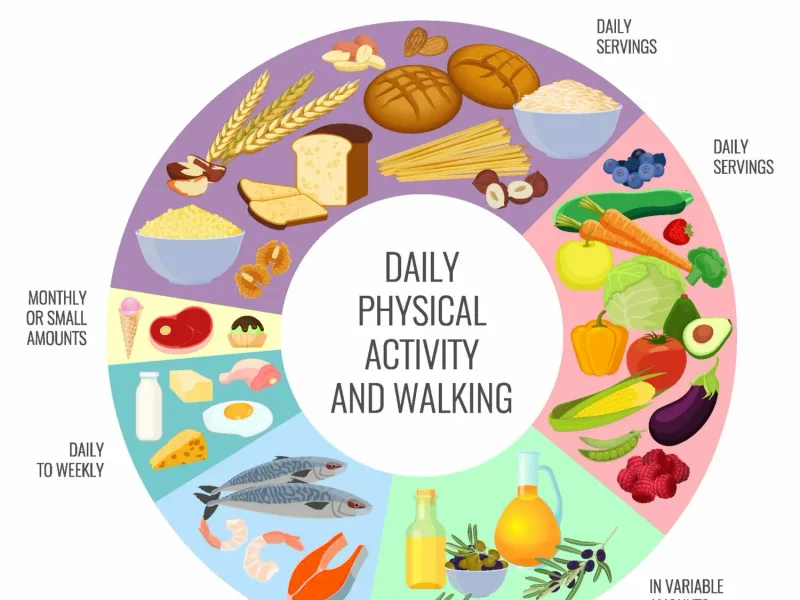
Nutrition holds a pivotal role in maintaining glycemic stability. Birbhum's dietary environment, characterized by local produce and culinary heritage, presents chances for healthful consumption.
Focus on Complex Carbohydrates
Individuals should opt for whole grains such as brown rice, whole wheat roti, oats, and millets (bajra, jowar). Such foods possess a lower glycemic index, implying a more gradual release of the energy compound into the bloodstream. Refined carbohydrates, including white bread, white rice, and sweetened cereals, should be avoided.
Include Lean Proteins and Beneficial Fats
Lean protein sources like fish, chicken, lentils (dal), beans, and tofu contribute to satiety and do not significantly impact glycemic readings. Beneficial fats found in sources such as nuts, seeds, and avocados can likewise aid in impactful glycemic management.
The National Institute of Nutrition (NIN) in India advocates for a balanced intake of macronutrients.
Portion Regulation is Vital
Even nutritious items can elevate glycemic readings if consumed in excessive quantities. Employing smaller plates and maintaining awareness of serving sizes can yield substantial improvements. For instance, a typical Indian meal might comprise portions of rice, dal, vegetables, and yogurt; ensuring appropriate proportions is key.
Limit Sweetened Foods and Beverages
Soft drinks, fruit juices (even those labeled 100% natural), confectionery, and desserts induce swift increases in the circulating energy compound. Decreasing the consumption of these items represents one of the most marked adjustments an individual can implement.
The numbers don't lie.
Considering the ubiquitous presence of traditional Indian sweets, this aspect holds particular importance.
Hydration Matters
Consuming ample water throughout the day assists the kidneys in expelling surplus energy compound. Individuals should target at least 8-10 glasses of water daily. Unsweetened herbal teas can also contribute to hydration.
The Role of Physical Activity
Consistent physical exercise serves as a fundamental pillar for impactful glycemic regulation. Engaging in physical activity improves the body's insulin efficiency and reduces circulating energy compound concentrations.
Aerobic Exercise
Activities such as brisk walking, jogging, cycling, swimming, or dancing are beneficial. The World Health Organization (WHO) recommends aiming for at least 150 minutes of moderate-intensity aerobic activity per week. Walking through local markets or along the Ajay River can offer an enjoyable method for staying active.
Strength Training
Integrating resistance exercises twice weekly helps to build muscle mass. A greater muscle mass enables the body to store more of the energy compound, thereby enhancing overall regulation. Such training can involve weightlifting, employing resistance bands, or engaging in bodyweight exercises.
Recovery is rarely linear.
Consistency is Key
Discovering activities one enjoys will facilitate adherence to a routine. Even brief periods of activity throughout the day can prove helpful. The reality is that consistency often surpasses intensity when considering long-term benefits.
Medical Approaches and Oversight
Although lifestyle modifications are foundational, medical guidance and oversight prove essential for numerous individuals, especially those with a diagnosed metabolic situation.
Regular Check-ups
Regularly visiting a physician or specialist is paramount. These consultations facilitate the tracking of HbA1c levels (an indicator of average glycemic readings over two to three months), blood pressure, and cholesterol. The American Diabetes Association (ADA) standards emphasize the importance of these routine assessments.
Medication Management
Many individuals require oral medications or insulin injections to sustain target glycemic ranges. A physician will determine the most appropriate therapy, considering personal requirements and physiological situation. Strict adherence to the prescribed dosage and schedule is vital.
Glycemic Self-Assessment
Consistent self-assessment of glycemic levels (SMBG) with a glucometer enables individuals to comprehend the impact of diet, exercise, and medication on their readings. Such data proves invaluable for implementing informed modifications.
That's the part worth remembering.
Certain individuals in Birbhum might have access to continuous glycemic tracking (CGM) devices, providing more granular insights.
Preventing Complications
Over extended periods, persistently elevated glycemic levels can inflict damage upon nerves, blood vessels, and various organs. This can lead to serious complications such as:
- Heart disease and stroke
- Kidney disease (nephropathy)
- Nerve damage (neuropathy), often starting in the feet
- Eye damage (retinopathy), potentially leading to blindness
- Foot problems, including infections and amputations
Proactive glycemic management markedly diminishes the likelihood of these debilitating conditions. Routine screenings for ocular, renal, and pedal well-being constitute essential elements of metabolic