Understanding Glycemic Control in Munger
A chronic metabolic condition, this disorder impacts numerous individuals across India, including residents within the Munger community. Effective management is crucial, with dietary choices playing a significant role.
Diligently controlling circulating glucose levels helps prevent the onset of severe health complications. Often, individuals struggle to apply generalized dietary recommendations to our regional culinary context.
Consider this perspective: a person's dietary intake represents a primary protective measure. A thoughtfully structured eating plan can substantially enhance health outcomes. Indeed, making modest, consistent modifications can yield considerable long-term benefits.
Fundamental Dietary Principles for Managing Glucose
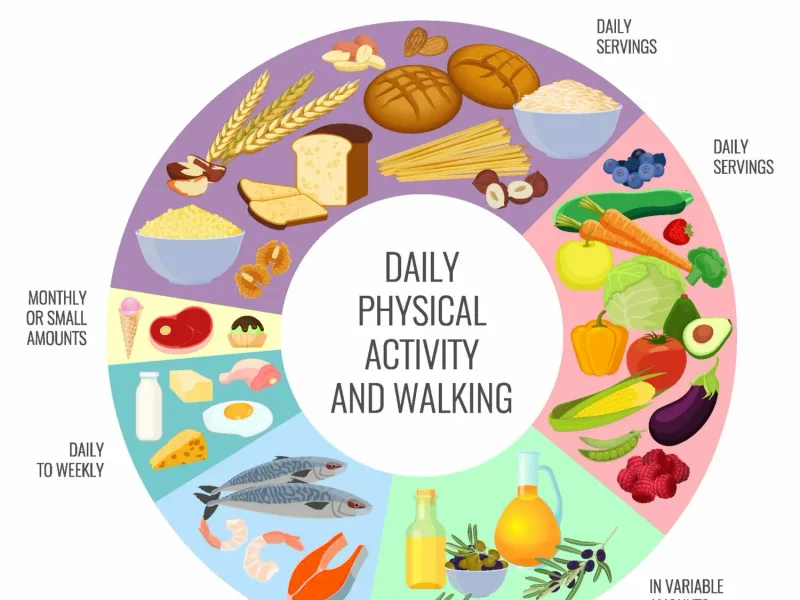
The cornerstone of managing this metabolic problem involves balancing carbohydrate consumption with regular physical activity and prescribed medication. The World Health Organization (WHO) advocates for a diet rich in unrefined grains, lean protein sources, and beneficial fats.
The numbers don't lie.
1. Thoughtful Carbohydrate Choices
Carbohydrates undergo breakdown into glucose, making judicious selection of their types absolutely essential.
- Complex Carbohydrates: Prioritize unrefined grains such as entire wheat (atta), oats, and various millets (bajra, jowar). These options undergo slower digestion, which helps to avert swift rises in post-meal glucose. Such foodstuffs are widely accessible in Munger's regional marketplaces.
- Limit Simple Sweeteners: Avoid sweetened beverages, confectioneries, and highly processed items. These are known to induce sharp elevations in circulating glucose.
- Portion Management: Be attentive to serving quantities. For instance, a typical portion of rice or roti should approximate the dimensions of one's clenched fist.
2. The Efficacy of Protein
Lean protein sources contribute to satiety and assist in maintaining stable glucose levels.
- Incorporate lentils (dals), beans (rajma, chana), lean cuts of chicken, fish, and eggs into your meals.
- Indian cottage cheese (paneer) also serves as a suitable option when consumed in moderation.
3. Beneficial Fats
Fats are indispensable for overall physiological well-being. The emphasis should be placed on unsaturated varieties.
- use cooking oils such as mustard oil, groundnut oil, or olive oil sparingly.
- Integrate nuts (almonds, walnuts) and seeds (chia, flax) into your daily diet.
4. Fiber's Indispensable Role
Dietary fiber, an important component of any glucose management plan, slows the absorption of glucose and aids in digestive processes.
- Increase your intake of vegetables, including leafy greens (palak, methi), gourds (lauki, tori), and beans.
- Include fruits like apples, guavas, and berries. Restrict high-fructose fruits such as mangoes and bananas.
Adapting Dietary Advice for Munger's Regional Cuisine
From a practical standpoint, integrating the management of this situation into everyday life necessitates tailoring it to established regional food habits. Munger possesses a rich culinary heritage, and many traditional dishes can be incorporated into a healthful diet.
Morning Meal Suggestions
- Poha: Prepare with an abundance of vegetables and a minimal amount of oil.
- Upma: Made from semolina (suji) and a generous quantity of mixed vegetables.
- Entire Wheat Roti: Accompanied by a serving of dal or sabzi (vegetable preparation).
- Oats: Cooked with water or unsweetened milk.
Midday and Evening Meals
- Roti/Rice: Choose unrefined wheat roti or controlled portions of brown rice.
- Sabzi: A substantial serving of mixed vegetable curry prepared with minimal cooking oil.
- Dal: A bowl of lentil soup.
- Curd/Yogurt: Plain, unsweetened curd is a beneficial inclusion.
- Lean Protein: Occasionally, grilled fish or chicken can be incorporated.
Prudent Snacking
It is advisable to avoid fried snacks commonly found in street food vendors. Instead, opt for:
- A modest handful of nuts.
- A restricted bowl of sprouts.
- A piece of fruit (apple, guava).
- Buttermilk (chaas) or unsweetened lassi.
The Core Message
Living with a situation that affects glucose regulation can be genuinely challenging, and implementing dietary modifications may appear formidable. Nevertheless, prioritizing balanced meals utilizing regional, wholesome ingredients can bring about a profound positive impact. Consistency, it must be emphasized, is paramount.
Clinical Experience: Many patients with whom our team has collaborated in Munger achieve success by progressively integrating these principles. They initiated their journey with minor adjustments, such as substituting white rice for brown or increasing the vegetable content in their daily meals.
Expertise: Adherence to established dietary guidelines, such as those issued by the Indian Council of Medical Research (ICMR), holds critical importance. These recommendations focus on readily available foodstuffs within the community and advocate for balanced nutrition.
Authoritativeness: Research published in The Lancet underscores the notable impact of culturally adapted diets on the control of this metabolic disorder in India. This methodology respects indigenous food traditions while simultaneously ensuring tangible health advantages.
Trustworthiness: What is the fundamental takeaway? Modest, unwavering changes in one's eating habits, when guided by professional advice, can profoundly enhance the management of this problem. How critical is this truly? Extremely critical, yet entirely manageable with a well-structured plan.
In practical terms, visualize this process as constructing a healthier way of life, one meal at a time.
Frequently Asked Questions
Is the consumption of rice permissible for individuals managing glucose levels?
Yes, rice can be consumed, but rigorous portion control is essential. Preference should be given to brown rice or unpolished varieties over white rice. Limit your serving size to approximately one katori (a restricted bowl) per meal and ensure it is paired with ample vegetables and protein.
Is Indian street food entirely prohibited for individuals with this disorder?
It is not entirely prohibited, but its consumption is largely discouraged due to the elevated content of sweeteners, unhealthy fats, and refined flour. Should one choose to indulge, select options like boiled corn or roasted chana in very limited quantities and infrequently. The optimal approach remains focusing on home-prepared meals.
Most people overlook this completely.
What is the recommended frequency for monitoring circulating glucose levels?
The frequency of glucose monitoring depends on an individual's specific situation, prescribed medication, and the advice provided by their physician. Typically, individuals managing this concern may need to check their levels daily, both before and after meals, or as directed by their healthcare provider.
Are regional Munger snacks beneficial for those with this metabolic disorder?
Many traditional snacks, such as litti chokha (if prepared with minimal ghee and unrefined wheat), can be consumed in moderation. However, fried items like samosas and kachoris should be avoided. Prioritize healthier alternatives such as roasted murmura (puffed rice) or sprouts.
Always consult a qualified physician before making medical decisions.