The Sweet Power of Summer: Unveiling Cantaloupe's Nourishing Benefits
Meena, 45, a homemaker from Jaipur, noticed a persistent dry cough during the tail end of summer. Her doctor, while prescribing medication, also advised her to incorporate more hydrating produce into her diet. She readily chose cantaloupe, a melon she’d always loved for its sweet, refreshing taste, especially after a long day of household chores. This simple dietary shift, coupled with medical advice, helped her recover faster. Cantaloupe, scientifically known as Cucumis melo, is more than just a delightful summer treat; it’s a nutritional powerhouse offering a spectrum of benefits, particularly relevant for the Indian populace.
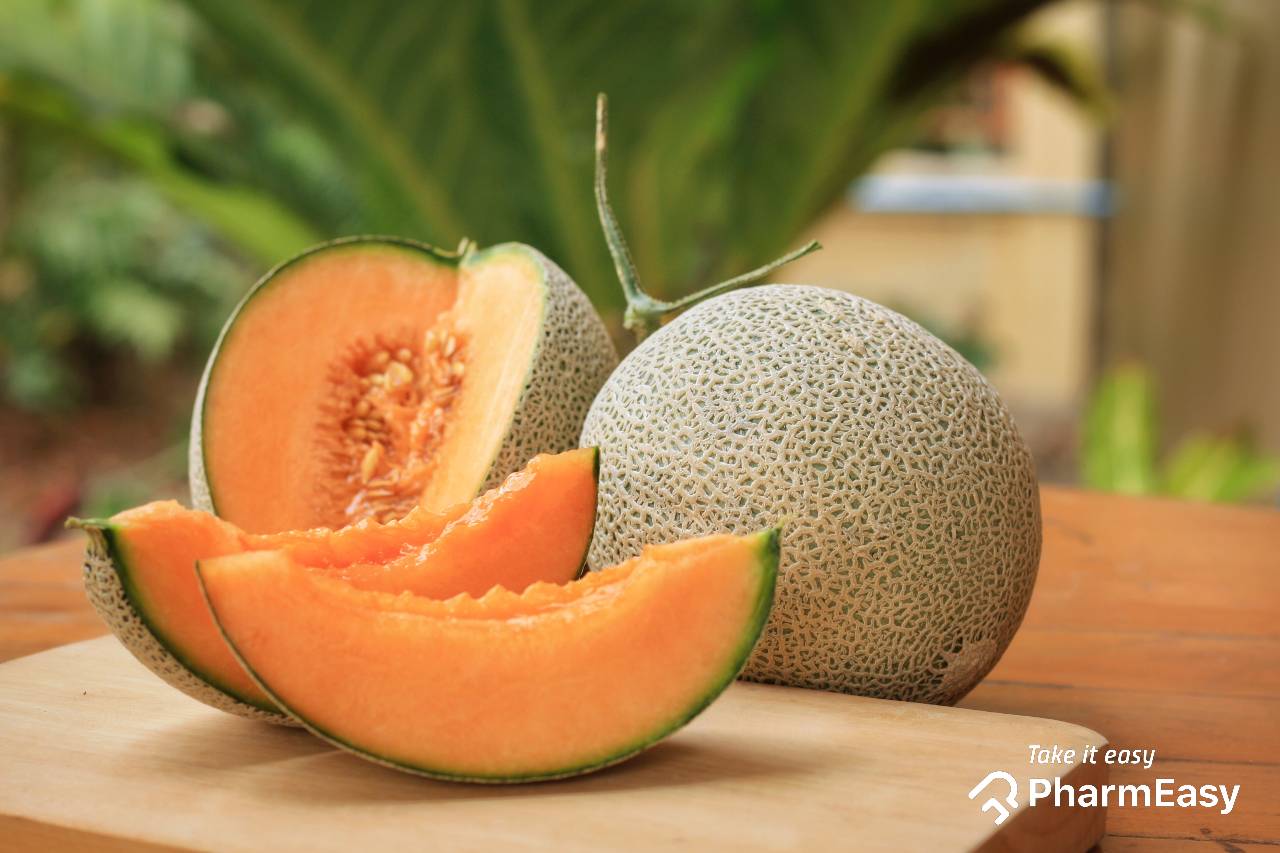
In many cases, we often overlook the simple, readily available produce that nature provides. Cantaloupe, with its characteristic netted rind and sweet, juicy orange flesh, is a prime example.
Its cultivation thrives in India, making it an accessible and affordable melon for millions. The Indian Council of Medical Research (ICMR) has often highlighted the importance of locally sourced, nutrient-dense foods in combating lifestyle diseases.
Hydration: Quenching Your Thirst Naturally
During the scorching Indian summers, staying hydrated is paramount. Dehydration can lead to fatigue, headaches, and even heatstroke, a serious concern in many parts of India. Cantaloupe is composed of approximately 90% water, making it an exceptionally hydrating melon.
Think about it this way: consuming a generous slice of cantaloupe is akin to drinking a glass of water, but with added nutritional benefits. This high water content helps replenish fluids lost through sweat, maintaining electrolyte balance and keeping your body functioning optimally. The World Health Organization (WHO) emphasizes adequate fluid intake as a cornerstone of good well-being, particularly in tropical climates.
Rich in Essential Vitamins and Minerals
Cantaloupe is a treasure trove of vital nutrients. It’s particularly rich in Vitamin C, a potent antioxidant that bolsters the immune system and promotes healthy skin by aiding collagen production. A single cup of cantaloupe can provide a significant portion of your daily recommended intake of Vitamin C.
Here's where it gets interesting.
It also contains Vitamin A, crucial for vision health and immune function. This vitamin is vital for maintaining the integrity of the eyes' surface and is essential for good vision, especially in low light. The melon also offers potassium, a mineral that plays a critical role in regulating blood pressure and maintaining fluid balance within cells.
Honestly, the synergy of these vitamins and minerals works wonders for overall well-being. Vitamin K, found in cantaloupe, is essential for blood clotting and bone health. The presence of folate (Vitamin B9) is also noteworthy, supporting cell growth and DNA formation.
For pregnant women, folate is particularly critical. The melon also provides dietary fiber, which aids digestion and promotes a feeling of fullness, potentially assisting in weight management efforts.
Boosting Immunity: Your Body's Natural Shield
The high Vitamin C content in cantaloupe is a major immune booster. Vitamin C stimulates the production of white blood cells, which are the body's primary defense against infections. Have you ever wondered why your grandmother always insisted on produce rich in Vitamin C during the monsoon season?
It sounds simple. It rarely is.
It’s because this nutrient helps ward off common colds and flu. Beyond Vitamin C, cantaloupe contains other antioxidants like beta-carotene, which the body converts into Vitamin A. These antioxidants combat free radicals—unstable molecules that can damage cells and contribute to chronic diseases.
Promoting Digestive Health
The digestive benefits of cantaloupe are often underestimated. Its high water content, combined with dietary fiber, helps prevent constipation and promotes regular bowel movements. Fiber adds bulk to the stool, facilitating its passage through the digestive tract. In many cases, simple dietary adjustments, like incorporating fiber-rich foods such as cantaloupe, can alleviate mild digestive discomfort. A study published in The Lancet highlighted the gut microbiome's crucial role in overall well-being, and fiber is a key nutrient for fostering a healthy gut environment.
Worth knowing: The electrolytes present in cantaloupe, such as potassium, also contribute to a healthy digestive system by supporting the smooth muscle contractions of the intestines. This melon is gentle on the stomach and can be easily incorporated into various meals or enjoyed as a standalone snack, making it a versatile addition to a balanced Indian diet, which often involves sitting on the floor for meals during festivals, requiring good digestive resilience.
Supporting Heart Health
The potassium in cantaloupe is a vital component for cardiovascular well-being. Adequate potassium intake helps to counterbalance the effects of sodium, thereby lowering blood pressure. High blood pressure is a major risk factor for heart disease and stroke, affecting millions in India.
Over 101 million Indians have diabetes (ICMR, 2023), and managing blood pressure is crucial for this population. Cantaloupe also contains adenosine, a compound known for its heart-friendly properties, which can help prevent clots and relax vessels, improving flow.
Recovery is rarely linear.
On top of that,, the antioxidant properties of cantaloupe assist reduce oxidative stress, a key contributor to atherosclerosis (hardening of the arteries). By neutralizing free radicals, these antioxidants protect the cardiovascular system from damage.
The fiber content also plays a role by helping to manage cholesterol levels. The International Diabetes Federation (IDF) consistently reports on the link between diet, diabetes, and cardiovascular complications.
Enhancing Skin and Eye Health
The bounty of Vitamin A and C in cantaloupe directly benefits skin and eye well-being. Vitamin C is essential for producing collagen, the protein that gives skin its structure and elasticity. This helps in wound healing and keeps the skin looking youthful.
The antioxidants present also protect the skin from sun damage and premature aging. Have you ever noticed how glowing skin often accompanies a diet rich in produce?
For eye health, Vitamin A is indispensable. It is a component of rhodopsin, a protein in the eyes that allows us to see in low-light conditions. A deficiency in Vitamin A can lead to night blindness.
The beta-carotene in cantaloupe converts to Vitamin A in the body, supporting overall vision and potentially reducing the danger of age-related macular degeneration. This makes cantaloupe a fantastic addition to your diet, especially if you spend long hours in front of screens.
Recovery is rarely linear.
Cantaloupe in the Indian Diet: A Cultural Connection
Cantaloupe seamlessly integrates into the diverse culinary landscape of India. From simple sliced melon served during hot afternoons to being blended into refreshing juices and lassis, its versatility is remarkable.
During the monsoon season, when fresh produce can sometimes be a concern, cantaloupe remains a reliable source of hydration and nutrients. Its cooling properties are particularly welcome during the transition from summer heat to the monsoonal rains.
Worth knowing: Many Indian households prepare a special 'sharbat' or cooler using cantaloupe pulp, often mixed with mint and a touch of rosewater, especially during religious observances or family gatherings. This traditional preparation not only tastes delicious but also harnesses the melon's hydrating and digestive benefits. Its widespread availability across Indian markets—from bustling city bazaars to smaller town vendors—ensures that its benefits are accessible to a vast population.
What Should You Actually Do?
Incorporating cantaloupe into your daily diet is straightforward. Enjoy it fresh as a snack, add it to salads, blend it into smoothies, or make a cooling juice.
For those managing specific well-being conditions, consulting with a healthcare professional or a registered dietitian is always recommended to determine the appropriate portion sizes and frequency of consumption. The average cantaloupe contains roughly 55 calories per cup, making it a diet-friendly choice.
Always consult a qualified physician before making any medical decisions.
Key Takeaways
- Cantaloupe is approximately 90% water, making it highly effective for hydration, especially crucial in India's hot climate.
- It is an excellent source of Vitamin C, boosting immunity and promoting skin well-being, with one cup providing a meaningful portion of the daily requirement.
- The melon's potassium content supports healthy blood pressure levels, contributing to cardiovascular wellness.
- Dietary fiber and high water content aid in digestion and can enable prevent constipation.
- Rich in antioxidants like beta-carotene, cantaloupe helps protect cells from damage and supports vision well-being.