Understanding Glycemic Regulation in Nalanda: A Local Perspective
This chronic condition, affecting millions globally, necessitates diligent management. Across Nalanda, as in many parts of India, dietary decisions hold paramount importance.
Individuals frequently encounter challenges reconciling traditional diets with the need to regulate their circulating glucose concentrations. A dietary framework for Nalanda residents is presented in this guide, integrating local produce and cultural eating patterns while conforming to international health guidelines.
Effectively managing this issue represents a sustained endeavor, not a fleeting effort. It calls for unwavering commitment and well-informed decisions.
The objective is to equip individuals with knowledge, transforming healthy eating into a sustainable lifestyle component rather than a burden. Even modest, consistent adjustments yield substantial health benefits.
Key Principles of a Diet for Glycemic Management
A dietary approach for managing blood glucose focuses on controlling carbohydrate intake, selecting healthy fats, and ensuring adequate protein. The aim is to maintain stable blood glucose concentrations, thereby preventing abrupt increases and decreases.
This strategy aids in weight management, reduces the risk of cardiovascular disease (a common complication), and enhances overall energy status.
Glycemic Index (GI) and Glycemic Load (GL): Comprehending the Glycemic Index (GI) of foods is critical. The GI categorizes carbohydrates based on their rapidity in elevating blood glucose. Foods with a low GI are digested more slowly, leading to a gradual rise in circulating glucose. The Glycemic Load (GL) additionally considers portion size, offering a more complete assessment. We advocate for the selection of low-to-medium GI and GL foods whenever feasible.
- Portion Control: Consuming suitable quantities is fundamental. Employing more modest plate sizes can assist in visual portion management.
- Balanced Meals: Each meal should ideally comprise complex carbohydrates, lean protein, and healthy fats.
- Regular Meal Times: Eating at consistent intervals helps stabilize blood glucose. Skipping meals can lead to subsequent overeating.
- Hydration: Adequate water intake is essential for general health and can aid digestion.
Nalanda's Local Food Guide for Managing Glycemic Health
Nalanda boasts a rich agricultural landscape, providing various foods suitable for inclusion in a diet focused on managing this situation. Adapting these traditional staples to align with contemporary health requirements is crucial.
Most people overlook this completely.
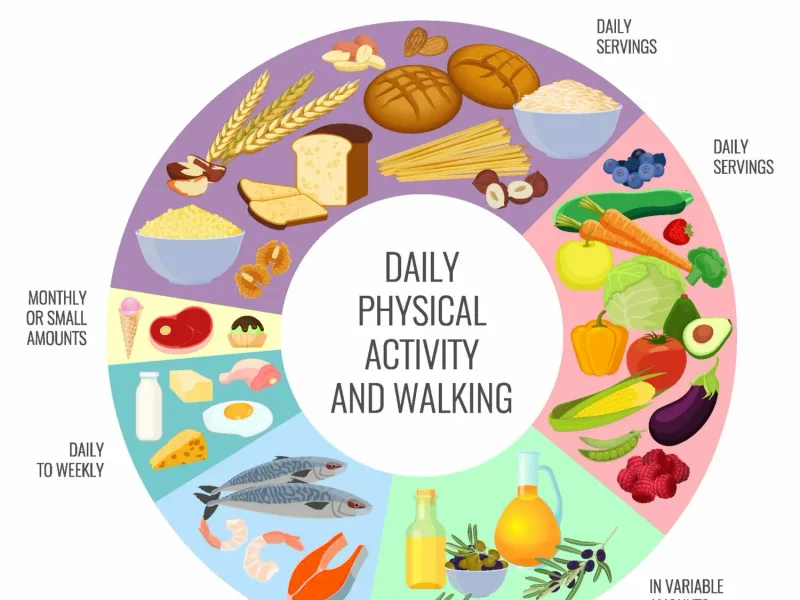
Grains and Cereals
Whole grains are preferred over refined varieties. They supply dietary fiber, which decelerates glucose absorption.
- Whole Wheat (Atta): use 100% whole wheat flour for rotis and chapatis. Refined flour (maida) should be avoided.
- Millets (Bajra, Jowar, Ragi): These serve as excellent alternatives, being rich in dietary fiber and possessing a lower GI. Millets are a staple in numerous Indian households and integrate easily into meals. Consider ragi dosa or jowar roti.
- Brown Rice: Opt for brown rice instead of white rice, as it retains more dietary fiber and nutrients. Portion moderation remains vital, even with brown rice.
- Oats: Steel-cut or rolled oats present beneficial breakfast options. Instant oats, frequently containing added sweeteners, should be avoided.
Vegetables
Most non-starchy vegetables are superb choices. They are low in calories and carbohydrates yet abundant in vitamins, minerals, and dietary fiber. These vegetables are truly the unsung heroes of a healthful diet.
- Leafy Greens: Spinach (palak), fenugreek leaves (methi), and other local greens are highly recommended. They are nutrient-dense and remarkably advantageous.
- Cruciferous Vegetables: Cauliflower (gobi), cabbage (patta gobi), and broccoli are excellent selections. Roasting or steaming them preserves their nutritional value.
- Other Vegetables: Okra (bhindi), bottle gourd (lauki), ridge gourd (turai), eggplant (baingan), tomatoes, onions, and bell peppers (capsicum) can be incorporated liberally.
- Starchy Vegetables: Potatoes (aloo), sweet potatoes (shakarkandi), and peas (matar) should be consumed in moderation due to their elevated carbohydrate content. Portion sizing is paramount here.
Fruits
Fruits furnish essential vitamins and dietary fiber, but they also contain natural sugars. Choose fruits with a lower GI and consume them in controlled portions.
- Berries: Strawberries, blueberries, and raspberries are low in natural sweetening agents and high in antioxidants.
- Apples and Pears: These are beneficial sources of dietary fiber. Consume them with the skin intact for maximal benefit.
- Citrus Fruits: Oranges (santra) and grapefruits are judicious choices.
- Guava (Amrood): This indigenous fruit is high in dietary fiber and advantageous.
- To Limit: Restrict intake of very sweet fruits such as mangoes (aam), bananas (kela), and grapes (angoor), particularly in larger quantities.
Proteins
Lean protein sources contribute to satiety and do not significantly influence blood glucose concentrations. This is critical for sustaining energy throughout the day.
- Lentils and Legumes: Dal (such as moong, masoor, toor), chickpeas (chana), kidney beans (rajma), and black-eyed peas are excellent sources of protein and dietary fiber.
- Dairy: Low-fat milk, yogurt (dahi), and paneer represent good choices. Full-fat dairy products should be avoided.
- Eggs: As a complete protein source, eggs are highly beneficial.
- Fish and Poultry: Lean cuts of fish and chicken (skinless) are advised. Grilling, baking, or steaming are preferred cooking methodologies.
Healthy Fats
Fats are important for hormone production and nutrient absorption. Prioritize unsaturated fats.
- Nuts and Seeds: Almonds (badam), walnuts (akhrot), chia seeds, and flaxseeds are beneficial additions when consumed in moderation.
- Oils: use healthful cooking oils such as mustard oil, groundnut oil, or olive oil in limited quantities.
Sample Meal Plan for Nalanda Residents
This plan serves as an example and requires adjustment based on individual requirements, activity status, and physician recommendations. Ultimately, personalization is central to enduring success.
Early Morning (6:00 AM - 7:00 AM)
- A glass of warm water with lemon, or
- Herbal tea (such as tulsi or ginger tea)
Breakfast (8:00 AM - 9:00 AM)
- Option 1: Two modest multigrain rotis with a bowl of mixed vegetable curry (low oil).
- Option 2: A bowl of oats prepared with water or low-fat milk, topped with a few berries.
- Option 3: Besan cheela (gram flour pancake) with mint chutney.
Mid-Morning Snack (11:00 AM)
- A modest bowl of yogurt (dahi), or
- A handful of almonds or walnuts, or
- A seasonal fruit like an apple or guava.
Lunch (1:00 PM - 2:00 PM)
- One to two modest whole wheat or millet rotis.
- A large bowl of salad (cucumber, tomato, onion).
- A bowl of dal (lentils) or legume curry (such as chana masala).
- A serving of seasonal green vegetable (sabzi).
- A modest bowl of brown rice (optional, portion regulated).
Evening Snack (4:00 PM - 5:00 PM)
- A cup of green tea or buttermilk (chaas).
- A modest portion of roasted makhana (fox nuts).
Dinner (7:00 PM - 8:00 PM)
Dinner should ideally be lighter than lunch.
- Option 1: A bowl of vegetable and lentil soup.
- Option 2: Grilled fish or chicken with a side of steamed vegetables.
- Option 3: One modest whole wheat roti with a sabzi (vegetable dish).
Before Bed (Optional)
- A modest glass of warm low-fat milk (if required and advised).
Lifestyle Adjustments for Glycemic Regulation
Dietary choices are paramount, yet they represent only one component of the solution. Consistent physical activity is vital for enhancing insulin sensitivity and managing body weight. Aim for at least 150 minutes of moderate-intensity aerobic activity weekly, such as brisk walking.
Incorporating strength training twice per week also contributes to boosting metabolism. The importance of this cannot be overstated; lifestyle modifications are indispensable for long-term health.
Stress management techniques, including yoga, meditation, or deep breathing exercises, can positively influence blood glucose concentrations. Living with this disorder presents genuine challenges, and identifying effective methods to manage stress holds equal importance to diet and exercise.
Regular medical check-ups with your physician are also mandatory. These ensure the effectiveness of your treatment plan and allow for timely adjustments.
Ayurvedic Considerations
Ayurveda, an ancient Indian medical system, offers holistic approaches to health. Certain herbs and practices are believed to support glycemic management. For instance, integrating bitter gourd (karela) into your diet, recognized for its glucose-lowering properties, is frequently recommended.
Here's where it gets interesting.
Fenugreek seeds (methi dana) soaked overnight are also considered advantageous. However, it is vital to discuss any Ayurvedic remedies with your doctor before initiating them, ensuring they complement your conventional therapy plan.
The connection between mind and body is central to Ayurvedic philosophy. Practices that calm the mind, such as pranayama (breathing exercises) and gentle yoga, can be highly beneficial.
These practices, when combined with a balanced diet and regular exercise, create a synergistic effect for improved health outcomes. Remember, Ayurveda complements, rather than replaces, standard medical care.
When to Seek Professional Guidance
While this guide provides general recommendations, individual requirements vary. Should you experience persistent elevated or low blood glucose readings, observe significant alterations in your weight, or manifest other concerning symptoms, consultation with a specialist is warranted.
Physicians at institutions like AIIMS possess extensive experience in managing complex cases of this problem. They can provide personalized advice and approach strategies.
Regularly monitoring your blood glucose concentrations, as advised by your physician, forms a key aspect of managing this ailment. This data assists physicians in understanding how your body responds to diet, exercise, and medication. Proactive monitoring and consistent consultations represent the most reliable pathways to a healthier life.
Most people overlook this completely.
Remember, managing this chronic concern is a continuous journey. With the appropriate knowledge, support, and commitment, a fulfilling and healthy life is attainable. Embrace these modifications, and experience the positive impact they create.
Frequently Asked Questions
Can I eat rice if I have a issue affecting glucose metabolism?
Yes, rice consumption is permissible, but portion regulation and type are critical. Opt for brown rice over white rice, as it contains more dietary fiber and possesses a lower glycemic index. Limit your portion size to approximately one modest bowl per meal and ensure it forms part of a balanced meal including protein and vegetables.
Is eating traditional Indian sweets permitted with glycemic regulation challenges?
Traditional Indian sweets are typically rich in natural sweetening agents and refined carbohydrates, rendering them generally unsuitable for regular consumption by individuals managing this disorder. If a craving arises, choose versions prepared without added sugar, utilizing artificial sweeteners or natural alternatives like stevia, and consume them in very modest, infrequent portions under medical guidance.
How much water should I consume daily for managing my glycemic status?
Maintaining hydration is vital for everyone, including those managing their blood glucose. 5 liters) of water daily, or more if you are physically active or reside in a warm climate.
Water aids in regulating blood glucose concentrations and supports overall bodily functions without contributing calories or carbohydrates.
Can I eat fruits like mangoes and bananas if I have a issue impacting glucose processing?
Mangoes and bananas contain relatively higher amounts of natural sweetening agents and carbohydrates compared to other fruits. While they can be incorporated into a diet for this situation, they must be consumed in very modest, controlled portions and infrequently.
That's the part worth remembering.
It is advisable to pair them with a protein source or healthy fat, such as a few almonds, to help slow the absorption of glucose.