Finding a Diet Chart Doctor in Nalanda: Your Path to Better Health
Navigating the world of nutrition can be complex. Many people struggle to find reliable guidance tailored to their specific needs, especially when dealing with health conditions. If you're in Nalanda and seeking expert dietary advice, understanding how to find the right diet chart doctor is crucial for your well-being. This guide will help you identify specialists and understand the vital role they play in achieving your health goals.
Why Consult a Dietitian or Nutritionist?
A qualified dietitian or nutritionist offers more than just meal plans; they provide personalized scientific advice. They assess your individual health status, lifestyle, and dietary habits to create a plan that is both effective and sustainable. This approach is particularly vital for managing chronic diseases like diabetes, hypertension (high blood pressure), and heart conditions, where diet is central to.
What's the bottom line here? A good specialist can empower you with knowledge, enabling informed food choices that support your body's needs and prevent future health issues. They support transform complex nutritional science into simple, actionable steps for daily life.
The Role of a Diet Chart Doctor
When we talk about a "diet chart doctor," we generally mean a registered dietitian (RD) or a certified nutritionist. These professionals are trained to recognise the intricate relationship between food and health. They work with individuals to:
- Develop customized meal plans considering dietary preferences, allergies, and medical conditions.
- Educate on portion control and balanced nutrition.
- Monitor progress and adjust plans as needed.
- Provide strategies for weight management (both loss and gain).
- Offer guidance on managing specific health issues through diet, such as Polycystic Ovary Syndrome (PCOS) or gastrointestinal disorders.
Is there a better way? For many, a structured dietary approach guided by an expert is the most reliable path to sustained health improvements.
What to Look For in a Nalanda Dietitian
When searching for a diet chart doctor in Nalanda, consider the following:
- Qualifications and Certifications: Look for credentials like RDN (Registered Dietitian Nutritionist) or similar certifications recognized in India. Institutions like the National Institute of Nutrition (NIN) often set standards.
- Specialization: Do they specialize in areas relevant to your needs? For example, if you have diabetes, a dietitian experienced in diabetic nutrition is ideal.
- Experience: How long have they been practicing? Experience often translates to a deeper understanding of diverse patient needs.
- Approach: Do they focus on sustainable lifestyle changes rather than quick fixes? Their approach should align with your long-term health vision.
- Patient Reviews and Testimonials: What do others say about their experience? This can offer valuable insights.
Worth knowing: A physician's referral can also be a good starting point, especially if you are managing a diagnosed medical condition.
Common Health Conditions Managed with Diet
Dietary interventions are central to managing a wide array of health conditions. Here are a few key examples:
Diabetes Management
For individuals with diabetes, controlling blood sugar levels is paramount. A dietitian helps create a meal plan that balances carbohydrates, proteins, and fats, focusing on low-glycemic index foods. They educate on carbohydrate counting and the importance of regular meal timings. This approach, often aligned with WHO guidelines, aims to prevent sharp spikes and drops in blood glucose.
Heart Health
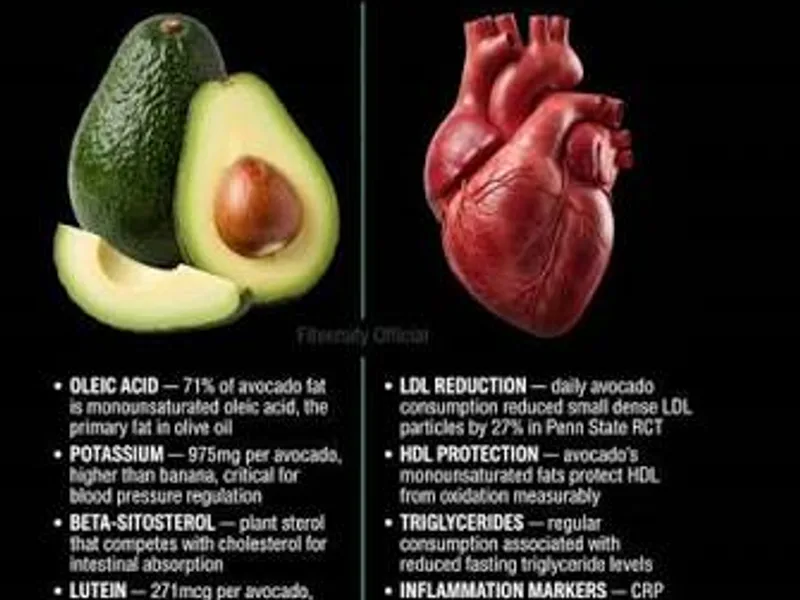
Cardiovascular health relies heavily on diet. Specialists recommend reducing saturated and trans fats, cholesterol, and sodium intake. Emphasis is placed on increasing fiber, fruits, vegetables, and healthy fats (like those found in nuts and olive oil). The American Heart Association (AHA) provides extensive recommendations that local dietitians often adapt.
Weight Management
Achieving a healthy weight involves a calorie-controlled yet nutritionally adequate diet. Dietitians enable create a sustainable calorie deficit for weight loss or a surplus for healthy weight gain. They focus on nutrient-dense foods to ensure the body receives essential vitamins and minerals during the process.
Gastrointestinal Issues
Conditions like Irritable Bowel Syndrome (IBS), acid reflux, or inflammatory bowel disease (IBD) often require specific dietary modifications. A dietitian can support identify trigger foods and develop a plan to alleviate symptoms while ensuring adequate nutrition. This might involve low-FODMAP diets or other specialized approaches.
Creating Your Personalized Diet Plan
Your journey with a diet chart doctor typically involves several steps:
- Initial Consultation: This is where the dietitian gathers detailed information about your health history, current diet, activity level, food preferences, and goals.
- Assessment: They may analyze your current nutritional status, sometimes recommending blood tests.
- Plan Development: Based on the assessment, a personalized diet chart is created. This isn't just a list of foods; it's a structured plan detailing meal timings, portion sizes, and food choices.
- Education and Support: The dietitian explains the rationale behind the plan and provides ongoing support to aid you adhere to it. They teach you how to make smart choices even when eating out or traveling.
- Follow-up: Regular follow-up sessions are scheduled to track your progress, address challenges, and make necessary adjustments to the plan.
You'll notice that this collaborative process is key to long-term success. It's about building healthy habits, not just following a temporary diet.
Dietary Tips for Daily Life in Nalanda
Regardless of whether you're consulting a specialist, incorporating healthy habits into your daily routine is beneficial. Consider these simple tips:
- Stay Hydrated: Drink plenty of water throughout the day. Sometimes thirst is mistaken for hunger.
- Include Local Produce: Make use of the fresh, seasonal fruits and vegetables available in Nalanda. They are often more nutritious and affordable.
- Mindful Eating: Eat slowly and savor your food. Pay attention to your body's hunger and fullness cues. This is like carefully observing the subtle changes in a crop after monsoon – it requires attention.
- Limit Processed Foods: Reduce intake of packaged snacks, sugary drinks, and fast food, which are often high in unhealthy fats, sugar, and sodium.
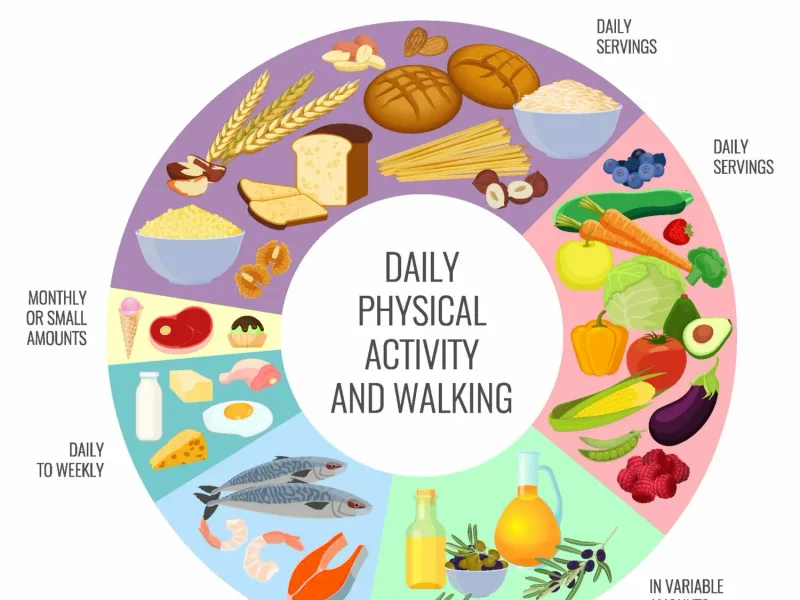
- Balanced Meals: Aim to include a source of protein, complex carbohydrates, and healthy fats in each meal.
Living with a health issue and trying to manage it through diet can be genuinely hard. But with the right guidance and consistent effort, significant improvements are achievable.
Finding a Dietitian Near You
To find a qualified diet chart doctor in Nalanda, you can:
- Ask Your Doctor: Your primary care physician can often recommend trusted dietitians.
- Hospital Referrals: Major hospitals in and around Nalanda usually have nutrition and dietetics departments.
- Online Directories: Use reputable online platforms that list healthcare professionals, filtering by location and specialization. Doctar is one such platform.
- Word of Mouth: Ask friends, family, or colleagues if they have had positive experiences with a local dietitian.
What most people miss: The importance of consistency cannot be overstated. Even the best diet plan requires dedication to yield results. Making small, manageable changes is often more proven than drastic overhauls.
The Importance of Professional Guidance
While general nutrition advice is readily available, it often fails to address individual complexities. A professional understands the physiological impact of different foods on your body, especially when specific health issues are present. They can support you navigate confusing dietary trends and misinformation, providing evidence-based recommendations. Their expertise ensures that your dietary approach is safe, powerful, and supports your overall health objectives, preventing potential harm from ill-advised dietary changes.
Remember, investing in professional dietary guidance is an investment in your long-term health. A well-structured diet plan, crafted by an expert, can be a powerful tool for disease prevention, management, and overall vitality. It’s about empowering yourself with the knowledge to nourish your body optimally, leading to a healthier and happier life.
Frequently Asked Questions
Can I eat rice if I have diabetes?
Yes, people with diabetes can eat rice, but portion control and the type of rice are crucial. Opt for brown rice or other whole grains more often, as they have a lower glycemic index and more fiber than white rice. Always consult your doctor or a dietitian to determine the appropriate portion size and frequency for your individual needs.
How much water should I drink daily?
The general recommendation is about 8 glasses (around 2 liters) of water per day, but this can vary based on activity level, climate, and individual health conditions. Listen to your body's thirst signals, and consult a healthcare provider if you have specific concerns, especially if you have kidney or heart issues.
Is it okay to skip breakfast?
While some people manage without breakfast, skipping it can lead to overeating later in the day and potential energy dips. A balanced breakfast provides essential nutrients and helps kickstart your metabolism. For most individuals, including a nutritious breakfast is beneficial for maintaining energy levels and supporting overall health goals.
What are the benefits of consulting a dietitian for weight loss?
A dietitian provides a personalized, evidence-based approach to weight loss, ensuring you receive adequate nutrition while creating a calorie deficit. They benefit identify unhealthy eating patterns, offer practical strategies for sustainable changes, and provide support to overcome challenges, making the process safer and more successful than fad diets.
The numbers don't lie.
Always consult a qualified physician before making medical decisions.