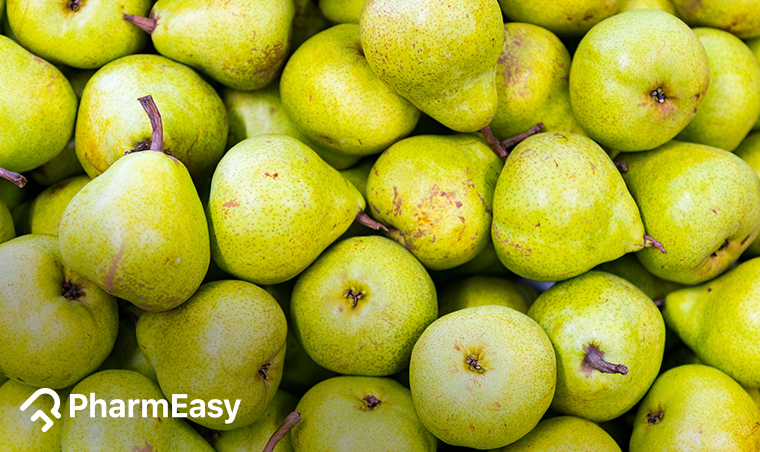
The Wonderful Nashpati: A Deliciously Nutritious Indian Fruit
Meena, 45, a homemaker from Jaipur, experienced persistent digestive discomfort. Her doctor recommended increasing dietary fibre, and Meena, recalling her grandmother’s preference for the juicy globe, began consuming a ripe nashpati daily.
Within weeks, her digestion improved noticeably, and she felt more invigorated. This experience exemplifies the remarkable advantages of nashpati, a popular Indian produce, especially during cooler weather.
Nashpati, as they are widely recognized in India, are more than just a sweet, succulent treat. These delightful edibles are packed with vital nutrients and offer a broad spectrum of wellness advantages.
From assisting digestion to potentially reducing the risk of long-term ailments, the humble nashpati merits a significant place in your eating plan. Let's explore the varied world of this beloved Indian produce.
That alone changes everything.
Nutritional Powerhouse of Nashpati
A medium-sized nashpati (around 178 grams) is a treasure chest of essential vitamins and minerals. It supplies approximately 101 calories, primarily from carbohydrates, establishing it as a good energy provider. Consider this: a single nashpati offers a substantial portion of your daily dietary needs.
5 grams, which exceeds 20% of the recommended daily allowance. Practically speaking, this sustenance level is crucial for many of its wellness advantages.
Beyond sustenance, nashpati are a good source of Vitamin C, a potent antioxidant vital for immune function and skin vitality. They also provide smaller quantities of Vitamin K, potassium, and folate. The peel of the nashpati is where a large portion of the beneficial plant compounds, including flavonoids and phenolic acids, are found.
Therefore, eating the entire edible, including its skin, maximizes nutrient uptake. The mineral composition, while not as substantial as some other edibles, contributes to general well-being.
Vitamins and Minerals in Nashpati:
- Vitamin C: Essential for immunity and collagen creation.
- Vitamin K: Important for blood coagulation and bone strength.
- Potassium: Assists in regulating blood pressure.
- Folate (Vitamin B9): Crucial for cellular growth and development.
Wellness Advantages of Eating Nashpati
The advantages of incorporating nashpati into your diet are extensive and well-supported. Their marked dietary content is a cornerstone of their wellness-promoting qualities.
Digestive Health Champion
The considerable amount of dietary sustenance in nashpati is a great asset for the digestive tract. Sustenance adds volume to stool, encouraging regular bowel motions and preventing irregularity. In numerous instances, this straightforward dietary adjustment can ease common digestive complaints.
What's more,, the sustenance functions as a prebiotic, nourishing beneficial gut microbes that are indispensable for a flourishing gut environment. A thriving gut is associated with enhanced immunity and even emotional equilibrium.
That alone changes everything.
Heart Health Guardian
Nashpati can contribute to maintaining cardiovascular wellness. The soluble sustenance present in nashpati can assist in reducing LDL (unhealthy) cholesterol levels. Elevated cholesterol is a major danger factor for cardiac conditions. Additionally, the antioxidants present in nashpati, such as flavonoids, help counteract oxidative damage and inflammation, both of which contribute to cardiac issues. A study published in The Lancet underscored the link between high intake of produce, including nashpati, and a diminished likelihood of cardiovascular mortality.
Blood Sugar Management
Despite their natural sweetness, nashpati possess a relatively low glycemic index (GI). This signifies that they induce a slower, more measured increase in blood glucose levels compared to high-GI edibles. The sustenance content further aids in moderating glucose responses.
For individuals managing diabetes, nashpati can be a safe and beneficial produce choice. The International Diabetes Federation (IDF) advocates for an eating plan rich in produce and vegetables for improved diabetes management, and nashpati align perfectly with this recommendation.
Weight Management Aid
If you are aiming to manage your body weight, nashpati can be an excellent addition to your dietary regimen. Their substantial sustenance and water content contribute to a sensation of fullness, helping to curb appetite and decrease overall caloric consumption.
Frankly, substituting high-calorie snacks with a nashpati can yield a major positive impact. Research suggests that consistent consumption of nashpati is linked to lower body mass and a reduced likelihood of obesity.
This is where most patients struggle.
Anti-inflammatory and Antioxidant Properties
Nashpati are abundant in antioxidants, including Vitamin C and various plant compounds like flavonoids. These elements support neutralise damaging free radicals within the body, lessening oxidative strain.
Oxidative strain is implicated in numerous chronic ailments, including cancers and neurodegenerative conditions. The anti-inflammatory characteristics of nashpati may also bolster their protective effects against long-term health issues.
Bone Health Support
While not a primary provider, nashpati do contain Vitamin K and boron, both of which play a part in bone vitality. Vitamin K is indispensable for bone metabolism, and boron might aid the body in absorbing calcium and magnesium, which are critical for robust skeletal structure.
For many Indians who traditionally sit on the floor for meals or other activities, maintaining good bone density is vital for ease of movement and preventing injuries.
Cultural Significance and Culinary Uses in India
In India, nashpati holds a cherished position, particularly during the cooler months. It is frequently enjoyed fresh, but its adaptability extends to diverse culinary creations. The arrival of the monsoon season also brings a variety of local edibles, and as the climate cools, nashpati becomes a favoured selection.
That alone changes everything.
They are commonly incorporated into desserts, preserves, and cooked fruit dishes. Nashpati nectar is also a revitalising beverage, especially when blended with ginger or other seasonings.
Consider this scenario: a warm nashpati crumble, seasoned with cinnamon and cardamom, is a comforting sweet treat during the colder periods. Nashpati kheer (a rice pudding featuring nashpati) is another delightful Indian adaptation.
The subtle sweetness of the nashpati harmonises with many kinds of flavours, making it a favoured ingredient among culinary professionals.
Potential Side Effects and Precautions
While nashpati are generally safe for most individuals, certain people might encounter minor adverse reactions. The substantial sustenance content, though advantageous, can lead to digestive discomfort such as bloating or gas if consumed in excessively large amounts, particularly if your system is unaccustomed to a high-sustenance diet.
It is prudent to increase your sustenance intake progressively.
For those with specific sensitivities, though uncommon, a nashpati sensitivity can manifest. Symptoms might encompass itching of the mouth or throat, nettle rash, or digestive disturbances. If you suspect a sensitivity, cease consumption and seek advice from a medical practitioner.
But why does this occur? Sensitivities are the body's defence system overreacting to a substance that is typically harmless.
In instances of severe irregularity or intestinal blockage, consuming high-sustenance edibles like nashpati might not be recommended without professional direction. Always pay attention to your body's signals. If you experience any undesirable effects, seek medical guidance promptly.
That alone changes everything.
Choosing and Storing Nashpati
Selecting the ideal nashpati requires a gentle touch. Look for edibles that are firm yet yield slightly to gentle pressure near the stem. Steer clear of nashpati with blemishes or soft patches. Ripe nashpati can be kept at ambient temperature for a few days or refrigerated to slow the ripening process.
To hasten ripening, place nashpati in a paper bag alongside a banana or apple. Once ripe, they can be stored in the refrigerator for up to a week. Rinsing nashpati thoroughly before eating is always advised, especially if you intend to consume the skin.
Incorporating Nashpati into Your Diet
Adding nashpati to your daily meals is straightforward and enjoyable. Savour them as a snack, sliced with a dash of cinnamon. Include chopped nashpati in your morning oats or yoghurt.
Blend them into smoothies for added sweetness and sustenance. Nashpati slices can also be a wholesome addition to salads, providing a refreshing crispness and mild sweetness. Consider poaching nashpati in spiced wine or water for a sophisticated dessert.
Honestly, the opportunities are boundless. A simple mixed edible salad can be enhanced with the inclusion of fresh nashpati pieces. Their compatibility with other edibles and components makes them a adaptable dietary element. Remember that the skin holds a major amount of nutrients, so consuming the entire edible is generally optimal.
The numbers don't lie.
Key Takeaways
- Nashpati are rich in dietary sustenance, aiding digestion and promoting gut wellness.
- They contain antioxidants and vital elements that support cardiac wellness and may assist in managing glucose levels.
- Nashpati can aid in weight management by fostering a sense of fullness.
- Over 101 million Indians have diabetes (ICMR, 2023), and nashpati, with their low GI, can be a beneficial produce for them.
- While generally safe, excessive intake can lead to digestive discomfort in some individuals.
Always seek guidance from a qualified medical professional before making any health-related decisions.