Nephrology Care in West Singhbhum: Understanding Kidney Health
Kidney health is vital for overall well-being. The kidneys, small organs with a big job, filter waste from your blood. They also regulate blood pressure and produce hormones.
When these organs falter, it impacts the entire body. For residents of West Singhbhum, accessing specialized nephrology care is crucial for managing and treating kidney conditions. Finding the right medical support can make a significant difference in prognosis and quality of life.
Worth knowing: Many kidney issues develop silently. Early detection often comes through routine check-ups.
The Role of Nephrology
Nephrology is the medical specialty focused on the kidneys. Nephrologists are physicians who diagnose and treat kidney diseases. They manage conditions ranging from common infections to complex disorders like chronic kidney disease (CKD) and kidney failure. These specialists also oversee dialysis and kidney transplant referrals.
usual Kidney Conditions We See
We often see a range of kidney ailments impacting people in our communities. Understanding these conditions is the first step toward effective management.
- Chronic Kidney Disease (CKD): This is a progressive loss of kidney function over time. It's a major public health challenge in India. India has an estimated 116 million cases of CKD (ICMR, 2024), making it a leading cause of morbidity. CKD progresses through five stages, with later stages often requiring dialysis or transplantation.
- Hypertension (High Blood Pressure): Uncontrolled hypertension is a leading cause of kidney damage. It is a key risk factor for CKD. The World Health Organization (WHO) estimates that in India, hypertension affects around 20-25% of the adult population. High blood pressure damages the delicate blood vessels in the kidneys, impairing their filtering ability.
- Diabetes Mellitus: Diabetic nephropathy, or kidney disease caused by diabetes, is another major concern. Diabetes is a leading cause of kidney failure worldwide. In India, approximately 77 million people have diabetes (IDF, 2023), and a considerable portion of these individuals are at likelihood for kidney complications. High blood sugar levels damage the kidney's filtering units (glomeruli).
- Kidney Stones: These are hard deposits made of minerals and salts that form inside your kidneys. They can cause severe pain when they move through the urinary tract. Factors like diet, hydration, and genetics contribute to their formation.
- Glomerulonephritis: This is inflammation of the glomeruli, the tiny filtering units in the kidneys. It can be caused by infections or autoimmune diseases. Glomerulonephritis can lead to blood or protein in the urine and may impair kidney function.
- Acute Kidney Injury (AKI): Unlike CKD, AKI is a sudden loss of kidney function. It can be caused by severe illness, dehydration, or certain medications. Prompt treatment is vital to prevent long-term damage.
Signs and Symptoms to Watch For
What most people miss: Kidney problems often have subtle early indicators. Recognizing these signs can lead to earlier intervention and better outcomes.
- Changes in urination: Increased frequency, especially at night; foamy or bubbly urine; difficulty urinating; or blood in the urine.
- Swelling (edema): Particularly in the legs, ankles, feet, or face, due to fluid retention.
- Fatigue and weakness: Reduced kidney function can lead to anemia, causing persistent tiredness.
- Loss of appetite, nausea, and vomiting: Waste products building up in the blood can cause these digestive issues.
- Itchy skin: Severe itching can be a sign of waste product accumulation.
- Muscle cramps: Electrolyte imbalances can trigger these.
- Shortness of breath: Fluid buildup in the lungs can occur in advanced kidney disease.
But why does this happen? When kidneys can't filter waste effectively, toxins build up. This impacts various bodily systems, leading to these varied manifestations.
When to Seek Specialist Care
If you experience any persistent signs or warning signs suggestive of kidney problems, seeking prompt medical attention is vital. Do not delay consulting a physician, especially if you have likelihood factors like diabetes, hypertension, or a family history of kidney disease. Early diagnosis and intervention by a nephrologist can prevent or slow the progression of kidney damage.
Is there a better way? Yes, proactive health monitoring is always a better approach.
For individuals in West Singhbhum, identifying local healthcare facilities offering nephrology services is essential. This might involve visiting well-equipped hospitals in Chaibasa or surrounding areas that have dedicated nephrology departments or visiting specialists.
It sounds simple. It rarely is.
Nephrology Services in West Singhbhum
Access to quality nephrology care in West Singhbhum is growing. Several healthcare providers offer essential services to support kidney health. These services typically include:
- Diagnosis and Management of Kidney Diseases: Utilizing advanced diagnostic tools like blood tests (e.g., serum creatinine, eGFR), urine tests (e.g., urinalysis, microalbuminuria), and kidney imaging (ultrasound, CT scans).
- Dialysis Services: For individuals with kidney failure, dialysis is a life-sustaining approach. Hemodialysis (blood filtered outside the body) and peritoneal dialysis (using the abdominal lining) are usual modalities. Ensuring access to reliable dialysis centers is paramount.
- Management of Hypertension and Diabetes: Specialists work to control these underlying conditions to protect kidney function. This involves medication management and lifestyle guidance.
- approach of Kidney Stones and Infections: Offering medical and, where necessary, surgical interventions.
- Renal Diet and Lifestyle Counseling: Providing personalized advice on nutrition and habits to support kidney health.
- Pre-transplant Evaluation and Post-transplant Care: For those requiring or having undergone a kidney transplant.
Finding a Nephrology Hospital or Clinic
When searching for a nephrology hospital in West Singhbhum, consider the following:
- Expertise of the Medical Team: Look for experienced nephrologists and support staff. Check for affiliations with reputable medical institutions.
- Availability of Advanced Technology: Modern diagnostic and intervention equipment can significantly improve care.
- Dialysis Facilities: If dialysis is a potential need, assess the quality and availability of their dialysis units. Many patients rely on these units for survival.
- Patient Reviews and Reputation: While not a substitute for medical advice, patient feedback can offer insights.
- Accessibility and Location: Consider the ease of reaching the facility, especially for regular appointments or dialysis sessions.
The reality is, navigating healthcare options can be challenging. Having clear criteria helps in making informed choices about where to seek care for kidney-related issues.
Living with Kidney Disease: A Patient's Perspective
Living with a chronic condition like kidney disease presents unique challenges. Many sufferers describe the journey as demanding, requiring considerable lifestyle adjustments and emotional resilience. From managing complex medication schedules to adhering to strict dietary restrictions – like limiting salt and potassium intake – the daily routine can be taxing. Regular dialysis sessions, often several times a week, can be physically and mentally draining.
The financial burden associated with ongoing medical care and treatments also adds to the stress. However, with robust support systems, including family, friends, and dedicated healthcare providers, individuals can lead fulfilling lives. The key is consistent engagement with their medical team and adopting a proactive approach to their health.
Living with this is genuinely hard. Yet, many find strength in community and shared experiences.
Preventive Measures for Kidney Health
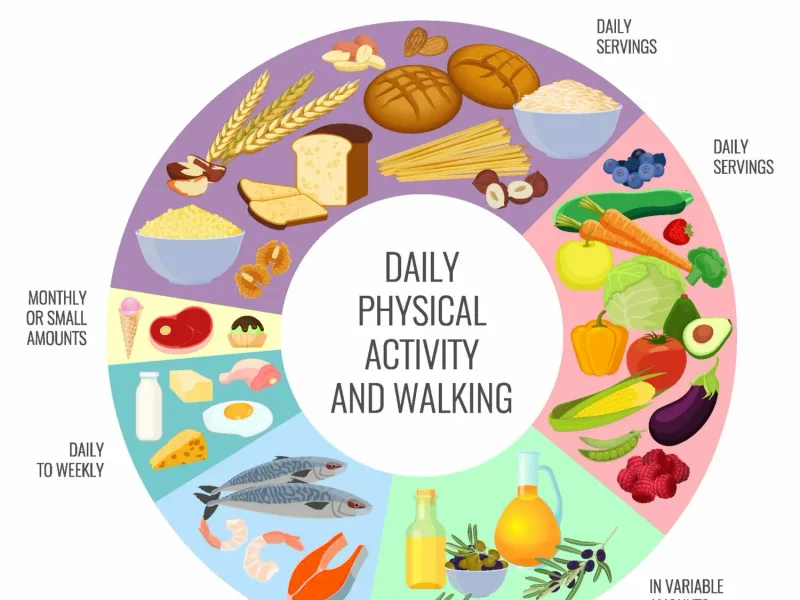
Preventing kidney disease is always preferable to treating it. Simple lifestyle changes can significantly boost your kidney health. Maintaining a healthy weight, engaging in regular physical activity, and eating a balanced diet rich in fruits and vegetables are crucial. Limiting processed foods, excessive salt, and sugary drinks helps protect your kidneys.
Staying hydrated by drinking adequate water throughout the day is also vital. For individuals managing diabetes or hypertension, strict adherence to prescribed treatments is non-negotiable. Regular health check-ups, even when feeling well, allow for early detection of potential issues. Following WHO guidelines on healthy diets can offer a roadmap for better kidney protection.
That alone changes everything.
The Importance of Regular Check-ups
Regular medical check-ups are your best defense. They enable physicians to monitor your kidney function and detect problems early. Early detection is particularly impactful for conditions like CKD, where timely intervention can slow progression. Many individuals are unaware of their kidney status until the disease is advanced.
A simple blood test measuring creatinine and calculating estimated Glomerular Filtration Rate (eGFR) can provide vital information. Similarly, urine tests can reveal protein or blood, early indicators of kidney damage. These routine screenings are a small investment for substantial long-term health benefits.
Dietary Considerations for Kidney Health
A renal-friendly diet is often a cornerstone of kidney disease management. While specific recommendations vary based on the stage of kidney disease and individual needs, general principles apply. Limiting sodium intake is crucial, as excess salt contributes to high blood pressure and fluid retention. Potassium and phosphorus levels also need careful monitoring, often requiring reduced intake of certain fruits, vegetables, and dairy products.
Protein intake may need adjustment, depending on kidney function. Hydration is key, but fluid intake might be restricted in later stages of CKD. Consulting a registered dietitian or a nephrologist for personalized dietary advice is highly recommended. They can help create a meal plan that is both kidney-friendly and enjoyable.
It sounds simple. It rarely is.
Think of your diet like tending to a delicate plant. You provide the right nutrients in the right amounts to benefit it thrive, just as specific foods aid your kidneys function optimally.
Key Takeaways
- Early detection of kidney disease is vital, with subtle indicators often overlooked.
- Diabetes and hypertension are leading causes of kidney damage in India, affecting millions.
- Regular check-ups, including blood and urine tests, are crucial for monitoring kidney function.
- A balanced, kidney-friendly diet and healthy lifestyle choices significantly support renal health.
- Access to specialized nephrology care and dialysis services is essential for those affected by kidney failure.
Frequently Asked Questions
Can I eat rice if I have diabetes?
Yes, people with diabetes can eat rice, but portion control is essential. Opt for brown rice or other whole grains when possible, as they have a lower glycemic index and more fiber. Monitor your blood sugar levels closely after consuming rice to understand how it affects you personally.
What are the first signs of kidney damage?
Early signs of kidney damage can be subtle and include changes in urination (like foamy urine), swelling in the legs or ankles, persistent fatigue, and loss of appetite. Many people have no noticeable warning signs until the disease is advanced.
How can I protect my kidneys from damage?
Protect your kidneys by managing diabetes and high blood pressure effectively, maintaining a healthy weight, eating a balanced diet low in salt and processed foods, staying hydrated, avoiding smoking, and limiting alcohol intake. Regular medical check-ups are also vital for early detection.
Is dialysis painful?
Dialysis itself is not typically painful, but the procedure involves needles being inserted into your arm or a catheter site. Some people experience discomfort or cramping during dialysis, but healthcare providers work to manage these side effects effectively.
Most people overlook this completely.
Always consult a qualified physician before making medical decisions.