Understanding Obesity: A Growing Concern in Sasaram
Obesity is a significant health challenge affecting many individuals in Sasaram and across India. It's defined as an excessive accumulation of body fat that can negatively impact health. The World Health Organization (WHO) classifies obesity based on Body Mass Index (BMI). A BMI of 30 or higher indicates obesity.
Honestly, the prevalence of obesity has surged dramatically. In India, an estimated 135 million people were affected by obesity in 2022, a substantial increase from previous years.
This condition is a primary risk factor for numerous chronic diseases. These include hypertension (high blood pressure), type 2 diabetes, heart disease, and certain types of cancer.
But why does this happen? Several factors contribute to the rising rates of obesity. Genetics play a role, but lifestyle choices are often the most critical determinants.
Poor dietary habits, characterized by high intake of processed foods, sugary drinks, and unhealthy fats, are major culprits. Sedentary lifestyles, with insufficient physical activity, further exacerbate the problem. In many cases, environmental factors and socioeconomic conditions in areas like Sasaram also influence access to healthy food and opportunities for exercise.
Key Indicators and Health Risks Associated with Obesity
Recognizing the signs of obesity is the first step towards effective management. The most common indicator is a high BMI. However, physicians also consider waist circumference. A larger waistline often signals increased visceral fat, which is particularly dangerous for metabolic health.
Metabolic Syndrome: A Cluster of Risks
You'll notice that obesity is frequently linked to metabolic syndrome. This disorder is a group of likelihood factors that increase your chance of developing heart disease, stroke, and diabetes.
These indicators include high blood pressure, high blood sugar, unhealthy cholesterol levels (low HDL, high triglycerides), and excess abdominal fat. Addressing obesity is vital for preventing or managing metabolic syndrome.
That alone changes everything.
Cardiovascular Implications
The strain on the heart from excess weight is substantial. High blood pressure, a prevalent co-morbidity, forces the heart to work harder.
This can lead to conditions like left ventricular hypertrophy and eventually heart failure. On top of that,, obesity often leads to dyslipidemia (abnormal blood lipid levels), a key driver of atherosclerosis (plaque buildup in arteries).
Diabetes and Obesity
Type 2 diabetes is strongly associated with obesity. Excess body fat, especially around the abdomen, can lead to insulin resistance.
This means the body's cells don't respond effectively to insulin, leading to elevated blood sugar levels. India has a staggering number of diabetics, estimated at 77 million (IDF, 2023), with obesity being a major contributing factor.
Personalized Obesity Treatment Approaches in Sasaram
reliable obesity management requires a tailored strategy. What most people miss: a one-size-fits-all approach rarely yields lasting results. Specialists in Sasaram offer various evidence-based therapies.
Lifestyle Modifications: The Foundation of Care
The cornerstone of any successful weight management plan involves sustainable lifestyle changes. These are often the most impactful and safest interventions available.
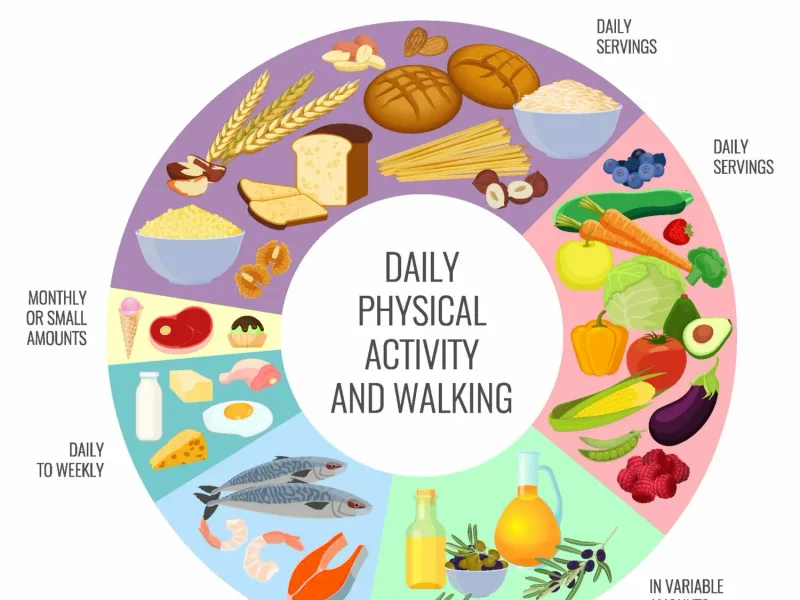
- Dietary Adjustments: A balanced diet is crucial. This involves reducing intake of processed foods, refined sugars, and unhealthy fats. Emphasis should be placed on whole grains, lean proteins, fruits, and vegetables. Consulting a registered dietitian in Sasaram can provide personalized meal plans tailored to individual needs and preferences. For example, understanding portion control and making nutrient-dense choices can significantly impact calorie intake.
- Physical Activity: Regular exercise is vital. Aim for at least 150 minutes of moderate-intensity aerobic activity or 75 minutes of vigorous-intensity activity per week, as recommended by the WHO. This could include brisk walking, jogging, swimming, or cycling. Strength training exercises are also important for building muscle mass, which boosts metabolism. Finding activities you enjoy makes adherence much easier.
- Behavioral Therapy: Addressing the psychological aspects of eating is key. Behavioral interventions help individuals identify triggers for overeating, develop coping strategies, and build healthier habits. This might involve mindfulness techniques or stress management.
Medical Therapies for Weight Management
For some individuals, lifestyle changes alone may not be sufficient. In such cases, physicians may prescribe anti-obesity medications.
These drugs work in different ways, such as reducing appetite or decreasing fat absorption. Orlistat and Liraglutide are examples of commonly prescribed medications, but they require careful monitoring by a specialist.
Most people overlook this completely.
These therapies are typically recommended for people with a BMI of 30 or higher, or a BMI of 27 or higher with considerable weight-related health problems. The choice of medication depends on the individual's health status and potential side effects.
It's crucial to use these under strict medical supervision. India's National Institute of Nutrition provides guidelines on healthy eating patterns that can complement medical therapy.
Surgical Interventions: Bariatric Surgery
Bariatric surgery is a powerful option for individuals with severe obesity (BMI ≥ 40) or a BMI ≥ 35 with serious obesity-related health issues. This approach involves making changes to the digestive system to aid weight loss. usual procedures include gastric bypass and sleeve gastrectomy.
You'll notice that bariatric surgery can lead to considerable and sustained weight loss. It also often results in the improvement or remission of obesity-related conditions like type 2 diabetes and hypertension.
The success rates are high, with studies showing considerable long-term health benefits. For instance, a review in The Lancet highlighted substantial reductions in mortality among patients undergoing bariatric surgery.
This is where most those affected struggle.
However, surgery is a major undertaking. It requires a commitment to lifelong lifestyle changes, including diet and exercise. those affected undergo thorough pre-operative evaluations and post-operative follow-up care.
Specialists in Sasaram performing these procedures adhere to strict protocols to ensure patient safety and optimal outcomes. The Indian Association of Gastrointestinal Endosurgeons (IAGES) provides guidelines for best practices in bariatric surgery.
Finding Expert Care in Sasaram
Locating the right healthcare professionals is paramount for successful obesity management. Sasaram offers access to qualified specialists.
- Dietitians and Nutritionists: They create personalized eating plans.
- Endocrinologists: These specialists manage hormonal imbalances contributing to weight gain.
- Cardiologists: They monitor and manage heart health risks.
- Bariatric Surgeons: For those considering surgical options.
Does this sound familiar? Seeking support from a primary care physician is an excellent starting point. They can assess your overall health and refer you to the appropriate specialists in Sasaram. Many clinics and hospitals in the area are equipped to provide comprehensive weight management services.
Preventing Obesity: A Community Effort
Prevention is always better than cure. Promoting healthy habits from a young age is essential.
Schools and community centers in Sasaram can play a vital role by offering nutrition education and encouraging physical activity programs. Public health initiatives by organizations like the Indian Council of Medical Research (ICMR) aim to raise awareness about healthy lifestyles.
That alone changes everything.
What most people miss: small, consistent changes can have a profound impact. Educating the community about the risks of obesity and the benefits of a healthy lifestyle is crucial. This includes understanding the importance of balanced nutrition and regular exercise for long-term well-being.
The Role of Healthcare Providers
Physicians in Sasaram are increasingly focusing on preventative care. Regular health check-ups can identify individuals at danger of developing obesity or related complications early on. Early intervention strategies can prevent the progression of the problem.
Empowering Individuals with Knowledge
Knowledge is power. Providing accessible information about healthy eating and physical activity empowers individuals to make informed choices.
This can be achieved through workshops, health camps, and accessible online resources. Understanding the caloric content of foods and the energy expenditure of different activities helps in creating a sustainable health plan.
Key Takeaways
- Obesity is a critical health issue in India, affecting millions and increasing the likelihood of chronic diseases like diabetes and heart disease.
- successful care in Sasaram involves a multi-pronged approach: lifestyle changes (diet, exercise), medical therapies, and potentially bariatric surgery.
- A BMI of 30+ indicates obesity, with higher BMIs or those with co-morbidities often requiring more intensive interventions.
- Finding qualified specialists like dietitians, endocrinologists, and bariatric surgeons in Sasaram is key to successful, personalized weight management.
Frequently Asked Questions
Can I eat rice if I have diabetes?
Yes, individuals with diabetes can eat rice, but portion control is vital. Opt for brown rice over white rice, as it has a lower glycemic index and more fiber. Monitor your blood sugar levels closely after consuming rice to understand its impact on your body.
Here's where it gets interesting.
What is the most impactful way to lose weight?
The most reliable way to lose weight is through a sustainable combination of a balanced, calorie-controlled diet and regular physical activity. Behavioral changes and medical support, if needed, can further enhance results. Consistency is key to long-term success.
Is bariatric surgery safe?
Bariatric surgery is generally safe when performed by experienced surgeons in accredited facilities. Like any major surgery, it carries risks, but these are often outweighed by the meaningful health benefits for severely obese individuals. Thorough pre-operative assessment and post-operative care are crucial.
How much water should I drink daily for weight loss?
Staying hydrated is vital for overall health and can assist in weight loss. While individual needs vary, aiming for 8-10 glasses (around 2-2.5 liters) of water per day is a good starting point. Drinking water before meals can also aid you feel fuller.