Essential Lipids for Cardiovascular Wellness: Omega-3 Polyunsaturated Fats
Discussions surrounding diet and cardiovascular well-being frequently highlight omega-3 polyunsaturated fats as pivotal. Essential for overall wellness, these lipids significantly influence cardiac function. Numerous studies underscore their advantages. Their action stems from interactions with bodily systems.
As polyunsaturated lipids, these compounds possess a distinct chemical structure that the body cannot synthesize. Dietary intake or nutritional aids are necessary for their acquisition. ALA (alpha-linolenic acid), EPA (eicosapentaenoic acid), and DHA (docosahexaenoic acid) represent the three primary forms.
Though ALA occurs in plant sources such as flaxseeds and walnuts, its conversion to EPA and DHA—the forms most directly supporting cardiac well-being—is inefficient. These crucial forms are predominantly found in oily fish.
The Mechanisms of Omega-3s on Your Cardiovascular System
Understanding the underlying mechanisms provides clarity. These essential lipids exert their positive effects through several pathways. Firstly, they are recognized for their ability to lower triglyceride levels. Elevated triglycerides pose a significant risk factor for cardiovascular disease. Studies published in journals like The Lancet have consistently demonstrated that targeted nutritional support can effectively reduce these levels.
Secondly, these beneficial lipids possess anti-inflammatory properties. Chronic inflammation is a major contributor to atherosclerosis, the hardening and narrowing of arteries.
By counteracting inflammation, omega-3s help maintain the integrity and flexibility of blood vessels. The American Heart Association (AHA) guidelines often incorporate these polyunsaturated fats as part of a heart-conscious dietary regimen.
Recovery is rarely linear.
What's more,, these essential lipids can assist stabilize cardiac rhythms. Arrhythmias, or irregular heartbeats, can present dangerous situations. Omega-3s may reduce the chance of sudden cardiac death in specific populations.
They also play a role in lessening blood clot formation, which can prevent heart attacks and strokes. India faces a growing burden of cardiovascular diseases, with estimates suggesting over 50 million people suffer from them (ICMR, 2023), making these protective effects particularly relevant.
Lowering Triglycerides
Triglycerides are a type of fat circulating in your blood. When calories are consumed beyond immediate energy needs, the body converts them into triglycerides, storing them in fat cells. Hormones later release these for energy between meals. High circulating levels of these lipids increase the chance of cardiovascular disease, pancreatitis, and metabolic syndrome. Omega-3 polyunsaturated fats, particularly EPA and DHA, have proven impactful in reducing elevated triglyceride concentrations. A meta-analysis in the Journal of the American Medical Association (JAMA) indicated that these fats can lower triglyceride levels by 10-30% depending on the dose and formulation.
Reducing Inflammation
Inflammation constitutes the body’s natural response to injury or infection, acting as a protective mechanism. However, prolonged inflammation can damage tissues and organs over time. This sustained inflammatory state drives many chronic conditions, including cardiovascular disease.
Omega-3s assist by producing compounds that diminish inflammation. They essentially enable to calm the inflammatory process, safeguarding arteries from damage. This represents a crucial advantage for long-term cardiovascular vitality.
Recovery is rarely linear.
Stabilizing Cardiac Rhythms
An irregular heartbeat, or arrhythmia, can range from a minor annoyance to a life-threatening condition. Omega-3s have shown promise in assisting with the regulation of heart rhythm. They can alter the electrical activity of the cardiac muscle, making it less susceptible to developing dangerous rhythms.
This effect is particularly noted in individuals with existing cardiac conditions. Research suggests that regular intake may decrease the chance of ventricular arrhythmias.
Preventing Blood Clots
Blood clots can form within blood vessels, obstructing flow to the heart, brain, or lungs. Should a clot dislodge and travel to the brain, it can cause a stroke. If it blocks blood flow to the heart, a heart attack ensues.
Omega-3s enable prevent platelets—tiny blood cells that clump together to form clots—from becoming excessively sticky. This reduces the likelihood of harmful clot formation. This subtle effect significantly contributes to preventing major cardiovascular events.
Sources of Omega-3 Polyunsaturated Fats
Adequate intake of these essential lipids is vital. Fortunately, excellent sources are readily available. Oily fish are the richest dietary providers of EPA and DHA. These include salmon, mackerel, herring, sardines, and anchovies. Aiming for at least two servings of oily fish per week is a common recommendation from organizations like the WHO.
This is where most patients struggle.
For vegetarians and vegans, ALA is obtainable from plant-based foods. Good sources encompass flaxseeds (ground for better absorption), chia seeds, hemp seeds, and walnuts.
As previously noted, however, the conversion of ALA to EPA and DHA is limited. Therefore, some individuals may consider algae-based DHA and EPA nutritional aids, which derive from the original source of these lipids in the marine food chain.
Oily Fish
Fish such as salmon, mackerel, and sardines are powerhouses of omega-3s. For example, a 100-gram serving of salmon can provide over 2,000 mg of combined EPA and DHA. This easily meets or exceeds daily recommendations for cardiovascular wellness.
Consuming fish offers a delicious way to support your circulatory system. those affected are often encouraged to incorporate grilled or baked fish into their weekly meals.
Plant-Based Sources
Flaxseeds, chia seeds, and walnuts offer ALA. While beneficial, their direct impact on lowering triglycerides or significantly boosting EPA/DHA levels is less pronounced than that from fish. However, they are excellent sources of fiber and other nutrients.
A tablespoon of ground flaxseed contains about 2,300 mg of ALA. These seeds can be added to smoothies, yogurt, or oatmeal.
Dietary Aids
Omega-3 nutritional aids, commonly known as fish oil or krill oil, are widely available. Algal oil preparations offer a vegan alternative. When selecting a dietary aid, look for one that specifies the amounts of EPA and DHA per serving.
The numbers don't lie.
Dosages can vary significantly. Always check the label carefully. A typical therapeutic dose for triglyceride reduction might be 2-4 grams of combined EPA and DHA per day, as advised by physicians.
Recommended Intake and Considerations
How much of these essential lipids do you need? Recommended intake varies. For general cardiovascular well-being, the AHA suggests eating oily fish twice a week.
For individuals with diagnosed cardiac conditions, higher doses of omega-3s, often from nutritional aids, may be prescribed by a doctor. The World Health Organization (WHO) suggests a minimum of 250-500 mg of combined EPA and DHA per day for adults.
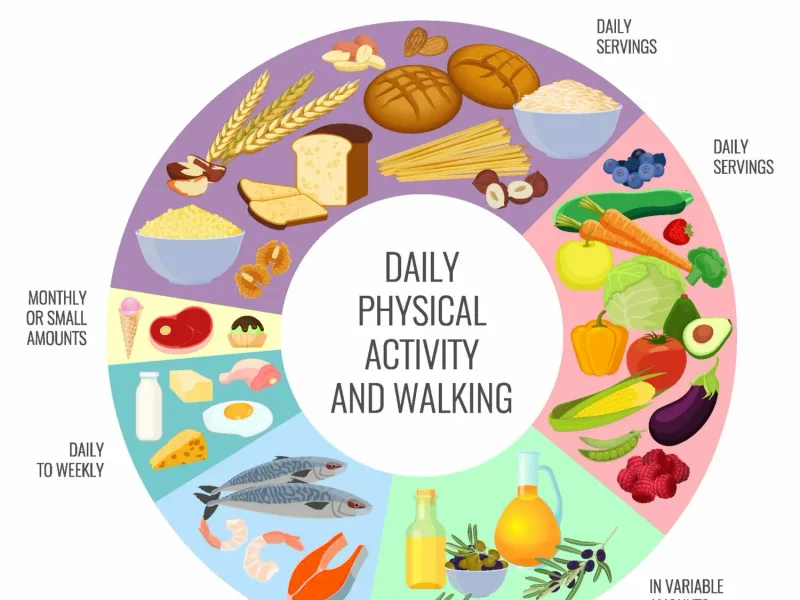
It is essential to remember that while omega-3s offer benefits, they are not a singular solution. A balanced diet rich in fruits, vegetables, and whole grains, combined with regular exercise and avoiding smoking, forms the cornerstone of cardiovascular vitality.
Living with the likelihood of cardiac disease is genuinely hard, and a holistic approach is always best.
Dosage Matters
The amount of omega-3 polyunsaturated fats required can depend on specific wellness goals and conditions. For instance, individuals with very high triglycerides might need higher doses under medical supervision. Always discuss supplementation with your healthcare provider.
They can assist determine the right dosage for you. Excessive intake can sometimes lead to side effects like increased bleeding danger.
Potential Side Effects
While generally safe, high doses of omega-3 nutritional aids can cause side effects. These might include mild gastrointestinal upset, such as nausea or diarrhea. Some individuals may also experience a fishy aftertaste.
The numbers don't lie.
A more considerable concern, though rare, is an increased possibility of bleeding. This is especially relevant for those already on blood-thinning medications like warfarin or aspirin. Always inform your doctor about any dietary aids you are taking.
Interactions with Medications
These essential lipids can interact with certain medications. Chief among these are blood thinners. If you are taking anticoagulants or antiplatelet drugs, it is crucial to consult your physician before starting omega-3 nutritional aids.
Your doctor can advise on potential risks and adjust your medication regimen if necessary. This ensures your safety and maximizes the benefits of both treatments.
Omega-3s Beyond Cardiovascular Well-being
The advantages of omega-3s extend beyond just cardiovascular well-being. They are vital for brain function and development. DHA, in particular, is a major structural component of the brain and retina.
Adequate intake supports cognitive function throughout life and is crucial during pregnancy for fetal brain development. These essential lipids also play a role in managing inflammatory conditions like arthritis.
That's the part worth remembering.
Brain Function
Our brains are composed of about 60% fat, with a marked portion being omega-3s, especially DHA. These lipids are essential for building cell membranes in the brain. They also possess anti-inflammatory and antioxidant effects, protecting brain cells.
Research suggests that sufficient intake of these polyunsaturated fats may support memory, learning, and mood regulation. Some studies even link lower omega-3 levels to an increased likelihood of depression and cognitive decline.
Eye Function
DHA is also a key component of the retina in your eye. Sufficient levels of omega-3s are necessary for maintaining good vision. Deficiency can lead to dry eyes and potentially impact sight over time. Ensuring adequate intake supports overall eye function and vitality. This is particularly important with advancing age.
Joint Function
The anti-inflammatory properties of omega-3s can also benefit joint function. They may support reduce the pain and stiffness associated with inflammatory conditions like rheumatoid arthritis.
Many individuals with arthritis report an improvement in symptoms when they increase their intake of omega-3-rich foods or nutritional aids. It is a natural way to support manage joint discomfort.
Key Takeaways
- Omega-3 polyunsaturated fats, especially EPA and DHA, are vital for cardiovascular vitality.
- They assist lower triglyceride levels, reduce inflammation, stabilize cardiac rhythms, and prevent blood clots.
- Oily fish like salmon and mackerel are excellent dietary sources; plant sources provide ALA with limited conversion.
- Consult a doctor for appropriate dosage and to check for potential medication interactions.
Frequently Asked Questions
Can I eat rice if I have diabetes?
Yes, individuals with diabetes can eat rice, but portion control and the type of rice are crucial. Opt for brown rice or other whole grains more often, as they have a lower glycemic index and more fiber. Monitor your blood sugar levels closely after eating rice to understand its effect on you personally.
That alone changes everything.
How much fish oil should I take daily for cardiac well-being?
For general cardiovascular vitality, consuming oily fish twice a week is often recommended. If considering fish oil nutritional aids, consult your physician. They can guide you on an appropriate dosage, typically ranging from 1-2 grams of combined EPA and DHA per day, based on your individual needs and current status.
Are omega-3 nutritional aids safe for everyone?
Omega-3 nutritional aids are generally safe for most adults. However, individuals taking blood-thinning medications should consult their doctor before use due to a potential increased bleeding possibility. Pregnant women and children should also seek medical advice before starting any dietary aids.
What are the best non-fish sources of omega-3s?
Excellent non-fish sources of omega-3s include flaxseeds, chia seeds, hemp seeds, and walnuts, which provide ALA. For direct EPA and DHA, algae-based nutritional aids are a suitable vegan and vegetarian option. Remember that the body's conversion of ALA to EPA and DHA is limited.