Papaya (Papita): A Tropical Superfood for Indian Well-being
Meena, 45, a homemaker from Jaipur, noticed persistent bloating and discomfort after meals, especially after indulging in rich festival sweets. She often felt sluggish and her skin seemed dull.
Her family doctor suggested incorporating more natural remedies into her diet and recommended this fruit. Honestly, many Indians overlook the potent beneficial properties of this readily available tropical fruit.
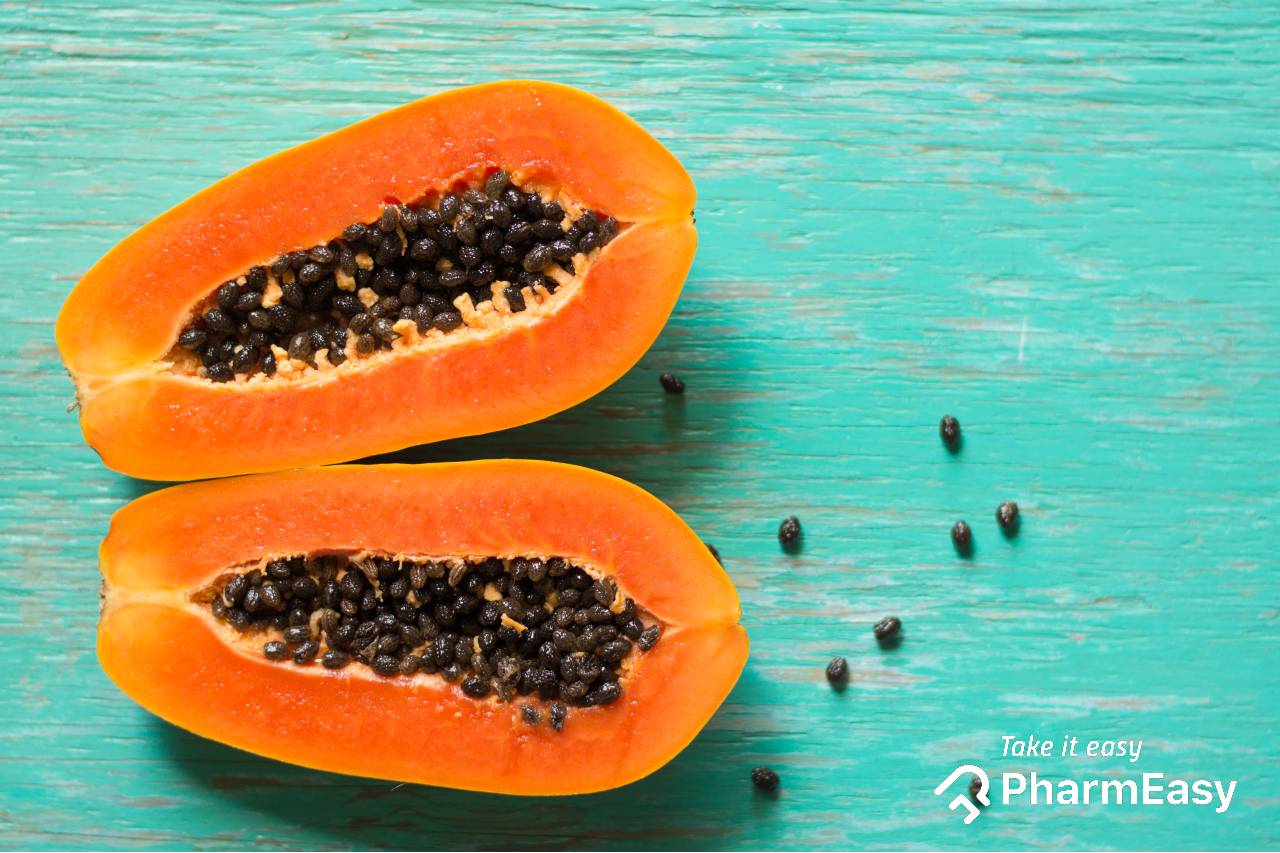
Papaya, scientifically known as Carica papaya, is more than just a sweet, tropical delight. It's a powerhouse of nutrients and enzymes that offer a wide array of wellness benefits, making it a staple in many Indian households. The reality is, this fruit, often enjoyed in smoothies, as a side dish, or even in savoury preparations, makes a real difference in maintaining overall well-being. Its cultivation is widespread across India, from the southern plains to the northern hills, ensuring its accessibility year-round.
Nutritional Profile of Papaya
A medium-sized papaya (about 275 grams) is a low-calorie food, packed with essential vitamins, minerals, and beneficial plant compounds. It is an excellent source of ascorbic acid, providing more than 100% of the daily recommended intake. Think about it this way: just one serving can significantly boost your immune system.
Additionally, it contains Vitamin A, folate, potassium, magnesium, and dietary stringy material. The fruit also boasts compounds like lycopene and beta-carotene, which combat oxidative stress.
What most people miss: the unique enzyme called papain found abundantly in papaya. This enzyme is a potent digestive aid and is responsible for many of this fruit's therapeutic properties. It helps break down proteins, making digestion easier and more efficient.
Does this sound familiar? Many people struggle with digestive issues, and incorporating papaya can offer significant relief.
Wellness Benefits of Papaya
1. Aids Digestion and Gut Well-being
Papaya's high dietary stringy material and water content promote healthy digestion. The enzyme papain is particularly beneficial for individuals suffering from indigestion, constipation, and bloating. Regular consumption can help regulate bowel movements and prevent issues like irritable bowel syndrome (IBS). Studies have shown that papaya extract can aid reduce abdominal discomfort and constipation in people with chronic constipation.
That alone changes everything.
The dietary stringy material acts as a prebiotic, feeding beneficial gut bacteria, which is crucial for a healthy microbiome. What should you actually do? Start your day with a small bowl of fresh papaya.
2. Boosts Immunity
With its exceptionally high ascorbic acid content—often exceeding that of oranges on a per-weight basis—papaya is a fantastic immunity booster. A strong immune system is your body's first line of defence against infections and diseases. Ascorbic acid is vital for the production and function of white blood cells, which fight off pathogens.
Additionally, the presence of Vitamin A and E contributes to immune defence. The Indian Council of Medical Research (ICMR) recommends adequate intake of these vitamins for optimal well-being.
3. Promotes Heart Well-being
The beneficial plant compounds, dietary stringy material, and potassium in papaya contribute to cardiovascular health. Compounds like lycopene and ascorbic acid assist prevent the oxidation of cholesterol, a key step in the development of atherosclerosis (hardening of the arteries). Potassium helps regulate blood pressure by counteracting the effects of sodium and relaxing blood vessel walls. The dietary stringy material content also helps lower LDL (bad) cholesterol levels. A study published in The Lancet highlighted the role of dietary fibre in reducing the risk of heart disease.
4. Supports Eye Well-being
Papaya is a good source of Vitamin A and beneficial plant compounds like zeaxanthin and lutein. These nutrients are crucial for maintaining good vision and protecting the eyes from age-related macular degeneration (AMD) and cataracts. Vitamin A is essential for the proper functioning of the retina.
Zeaxanthin and lutein filter harmful blue light and act as beneficial plant compounds in the eyes. This is particularly relevant in India, where prolonged exposure to screens and environmental pollutants can affect eye health.
Most people overlook this completely.
5. Anti-inflammatory Properties
Chronic inflammation is linked to numerous diseases, including arthritis, heart disease, and cancer. Papaya contains several anti-inflammatory compounds, including papain, chymopapain, and ascorbic acid. These compounds can benefit reduce inflammation throughout the body.
For individuals experiencing joint pain or swelling, incorporating papaya into their diet may offer some relief. This benefit is often overlooked when people are considering foods for general well-being.
6. Skin and Hair Benefits
The vitamins and beneficial plant compounds in papaya are excellent for skin and hair well-being. Ascorbic acid aids in collagen production, which keeps skin firm and youthful. Beneficial plant compounds fight free radicals, reducing signs of ageing like wrinkles and age spots. Papain can also be used topically (in masks) to exfoliate dead skin cells, revealing brighter, smoother skin.
Many traditional Indian beauty remedies involve the use of papaya pulp. For hair, the nutrients can strengthen follicles and promote shine. Think about it this way: it’s a natural beauty enhancer.
7. Potential Anti-Cancer Properties
While more research is needed, some studies suggest that the lycopene and other beneficial plant compounds in papaya may have anti-cancer properties. Lycopene, in particular, has been studied for its potential role in reducing the likelihood of certain cancers, such as prostate and colon cancer.
Most people overlook this completely.
The World Health Organization (WHO) emphasizes the importance of diets rich in beneficial plant compounds in cancer prevention strategies.
Uses of Papaya
Papaya is incredibly versatile in the kitchen. It can be consumed in various ways:
- Raw Fruit: Sliced and eaten fresh, often as a breakfast item or snack.
- Smoothies and Juices: Blended with other fruits and yogurt for a nutritious drink.
- Salads: Green (unripe) papaya is used in salads, particularly in Southeast Asian cuisines, offering a crisp texture.
- Cooked Dishes: Unripe papaya can be cooked as a vegetable, similar to potatoes or gourds.
- Desserts: Incorporated into puddings, cakes, or fruit salads.
- Meat Tenderizer: The papain enzyme makes it an effective natural meat tenderizer.
In India, unripe papaya is often cooked with spices and served as a vegetable side dish, especially during seasons when other vegetables are scarce. It’s also a common ingredient in some regional preparations.
Remember, when preparing meals, especially if you are accustomed to sitting on the floor for cooking or eating, the ease of preparing and consuming this fruit makes it a convenient addition.
Potential Side Effects and Precautions
While generally safe for most people, excessive consumption of papaya, especially unripe papaya, can lead to some side effects. The reality is, moderation is key with any food.
- Digestive Upset: Large amounts of dietary stringy material and papain can cause diarrhoea or stomach upset in some individuals.
- Allergic Reactions: Some people may be allergic to papaya, experiencing symptoms like rash, dizziness, or difficulty breathing. Latex allergy sufferers might be more prone to papaya allergy.
- Unripe Papaya Caution: Unripe papaya contains higher levels of latex, which can stimulate uterine contractions. Pregnant women should avoid consuming unripe papaya.
- Blood Thinners: Papaya contains compounds that might interact with blood-thinning medications like warfarin. Consult your doctor if you are on such medication.
- Blood Sugar Levels: While generally beneficial, people with diabetes should consume papaya in moderation and monitor their blood sugar levels, as it does contain natural sugars. Over 101 million Indians have diabetes (ICMR, 2023), making mindful consumption crucial.
What most people miss: The seeds of the papaya are also edible and contain nutrients, but they have a strong, peppery taste and should be consumed in very small quantities. They are believed to have antiparasitic properties but require further scientific validation.
Papaya vs. Other Fruits
Compared to many other fruits, papaya stands out for its unique enzyme, papain, and its exceptionally high ascorbic acid content. While mangoes offer Vitamin A and sweetness, and bananas provide potassium, papaya offers a distinct blend of digestive support and immunity-boosting vitamins.
Its relatively low sugar content compared to some other tropical fruits also makes it a favourable choice for many. The International Diabetes Federation (IDF) notes the importance of fruit choices for managing blood sugar.
Here's where it gets interesting.
Think about it this way: a balanced fruit intake is ideal, but papaya offers a specific set of benefits that are hard to replicate. Its accessibility and affordability in India further enhance its value. Over 50% of Indian households have access to fresh fruits regularly, and papaya is often a part of this dietary staple.
Conclusion
Papaya is a nutritional powerhouse that offers many kinds of wellness benefits, from aiding digestion and boosting immunity to promoting heart and eye well-being. Its unique enzyme, papain, makes it particularly valuable for digestive wellness. Available year-round and affordable, it's an excellent addition to a healthy Indian diet.
Remember Meena’s story; simple dietary changes can make a considerable difference. Does this sound familiar? Many of us experience similar well-being concerns.
Always consult a qualified physician before making any medical decisions.
Key Takeaways
- Papaya is rich in ascorbic acid, Vitamin A, folate, potassium, and dietary stringy material.
- The enzyme papain in papaya aids digestion and can alleviate constipation.
- Papaya's beneficial plant compounds, like lycopene, contribute to heart well-being and may have anti-cancer properties.
- It is an excellent source of ascorbic acid, significantly boosting the immune system.
- Pregnant women should avoid unripe papaya due to its latex content.