Papaya Leaf and Seed: Nature's Aid for Elevated Temperatures and More
Meena, a 45-year-old homemaker from Jaipur, experienced an persistent elevated temperature that wouldn't recede. Combined with unusual exhaustion and aching joints, her family physician suspected a viral ailment, possibly dengue, which sees an increase during and after the monsoon period in India.
While antibiotics were prescribed, Meena’s mother proposed a time-honored method: a mixture prepared from papaya foliage.
This practice is not unique to Meena's family. Throughout India, and indeed in many global regions, papaya foliage and even its tiny kernels are valued for their therapeutic qualities, especially in managing elevated temperatures and enhancing platelet counts. But why does this occur? Is there scientific support for these ancient convictions?
From a practical standpoint, understanding the potential of easily accessible natural remedies like papaya foliage is essential, particularly when dealing with common afflictions. The reality is that while contemporary medicine provides definitive treatments, ancestral knowledge frequently holds keys to supplementary approaches that can bolster general well-being.
We will examine the scientific findings, ancestral applications, and practical considerations of utilizing papaya foliage and kernels for elevated temperatures and other health concerns.
The Science Behind Papaya’s Therapeutic Power
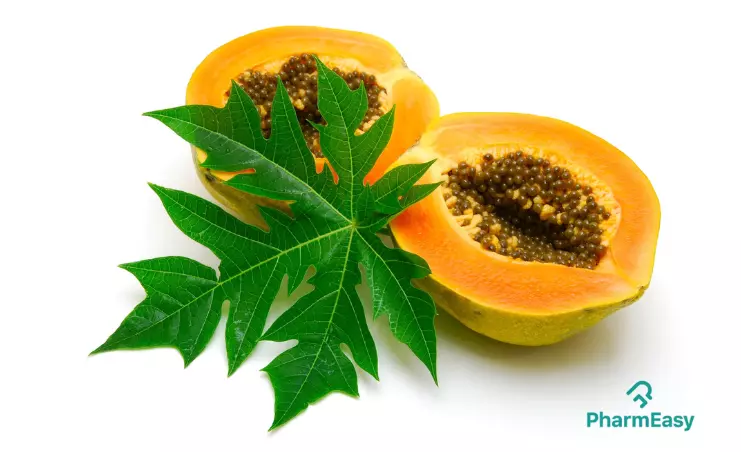
The papaya plant (Carica papaya) is a rich source of beneficial compounds. Both its foliage and kernels contain a substantial profile of nutrients and phytochemicals, including flavonoids, alkaloids, vitamins A, C, and E, and minerals such as calcium and potassium. However, the most significant elements, particularly for managing elevated temperatures, are the distinctive compounds present within the foliage: carpaine, an alkaloid, and papain, an enzyme.
Papaya Foliage: A Benefit for Dengue and Viral Fevers
The most lauded application of papaya foliage is in confronting dengue fever. Dengue, a viral sickness transmitted by mosquitoes, can result in serious symptoms, including a meaningful decrease in platelet count. This is where papaya foliage extract excels.
That's the part worth remembering.
Investigations published in publications like *The Lancet* have indicated that constituents in papaya foliage can aid in increasing platelet generation and preventing their breakdown. A study conducted in Sri Lanka demonstrated a notable rise in platelet count among dengue patients who ingested papaya foliage extract. In numerous instances, individuals reported feeling improved within 24-48 hours of commencing the remedy.
How does this function? The precise method is still being researched, but it is thought that certain compounds in the foliage stimulate the bone marrow to produce more platelets.
Additionally, the anti-inflammatory and antioxidant characteristics of papaya foliage can help alleviate the bodily discomforts and elevated temperatures associated with dengue and other viral infections. The presence of compounds like carpaine is also believed to contribute to its antiviral effects, potentially inhibiting viral multiplication.
Frankly, the anecdotal evidence is abundant. Innumerable individuals have reported a swift reduction in elevated temperatures and a marked improvement in their platelet count after using papaya foliage juice during dengue episodes.
While not a substitute for medical attention, it functions as a potent supportive intervention. The World Health Organization (WHO) acknowledges the promise of ancestral medicine, encouraging further exploration into scientifically validated remedies.
It sounds simple. It rarely is.
Papaya Kernels: More Than Just a Discarded Component
Frequently set aside, papaya kernels are remarkably potent. They exhibit antibacterial, antifungal, and anti-inflammatory qualities.
Research has investigated their effectiveness against various pathogens, including certain types of bacteria and fungi. In India, for example, kernels have been historically employed to address intestinal worms and enhance digestion.
The kernels contain benzyl isothiocyanate, a compound recognized for its powerful medicinal effects. Studies have suggested that papaya kernels can assist in safeguarding the kidneys from damage caused by certain toxins and pharmaceuticals.
Some initial research even points to their potential role in managing parasitic infestations and improving liver health. The key here is that incorporating a modest quantity of these kernels into your diet might offer a protective shield against various infections.
Ancestral Applications and Cultural Importance
In Indian homes, particularly in rural communities, the papaya tree is often referred to as 'the impoverished individual's apothecary'. Its foliage is utilized to encase food for tenderizing and imparting a subtle essence, a practice occasionally observed during celebratory preparations.
It sounds simple. It rarely is.
More significantly, the foliage serves as a primary remedy for elevated temperatures, jaundice, and skin ailments. The acrid flavor is frequently masked by incorporating honey or jaggery, especially when administering it to youngsters.
Resting on the ground, a typical posture in many Indian residences, can sometimes aggravate joint discomfort. Traditionally, compresses fashioned from papaya foliage have been applied externally to soothe such inflammatory joint pain.
During the monsoon season, when elevated temperatures and viral sicknesses escalate, papaya foliage mixtures become a staple in numerous households. This deeply ingrained cultural acceptance lends credence to its application, passed down through generations.
The Indian Council of Medical Research (ICMR) has endorsed investigations into indigenous medicinal flora, including papaya, for their therapeutic potential. This institutional endorsement underscores the increasing acknowledgment of ancestral Indian remedies within the scientific sphere.
That's the part worth remembering.
How to Prepare and Use Papaya Leaf Remedies
Preparing papaya foliage remedies is relatively uncomplicated, but consistency and appropriate quantities are vital.
Papaya Foliage Juice for Elevated Temperatures
Preparation:
- Select fresh, green papaya foliage. Clean them thoroughly.
- You can either simmer 8-10 pieces of foliage in approximately 2 cups of water until the liquid reduces by half, then strain.
- Alternatively, and often favored for retaining nutrients, blend 1-2 fresh pieces of foliage with a small amount of water to create a smooth paste, then press through a fine cloth to extract the liquid.
Quantity:
- For adults, a typical measure is 2-3 tablespoons of the fresh liquid, taken twice daily.
- For children, the quantity should be halved or as guided by a health professional.
- It is frequently blended with honey or a small amount of jaggery to enhance its taste.
When to use: Begin using at the initial indication of elevated temperature or as advised by your physician, especially if dengue is suspected. Continue for a few days until warning signs improve.
Papaya Kernels for General Well-being and Parasite Removal
Preparation:
- Wash fresh papaya kernels meticulously.
- Dry them in sunlight or a low oven until brittle.
- Grind them into a coarse powder.
Quantity:
- A usual ancestral measure for adults is approximately half a teaspoon of the powder, taken with water or honey, once or twice a day.
- For parasite removal, it is often consumed on an empty stomach for several consecutive days.
- Again, consult a healthcare provider for precise recommendations, particularly for youngsters.
Crucial Considerations and Safeguards
While papaya foliage and kernels provide numerous advantages, it is important to use them prudently. In many instances, adverse effects are minor, but certain precautions must be observed.
Potential Adverse Effects
Papaya foliage can possess a strong, bitter flavor that might induce nausea in some individuals. Substantial consumption of kernels might lead to digestive discomfort due to their high fiber content and specific constituents.
Pregnant and nursing individuals should proceed with caution and consult their physician before utilizing papaya foliage preparations, as certain alkaloids could potentially stimulate uterine contractions.
Interactions and Contraindications
Individuals with identified sensitivities to papaya should avoid its foliage and kernels. If you are taking anticoagulant medication, consult your physician, as some components in papaya might theoretically impact blood coagulation, although this is not well-established for foliage/kernel consumption in typical quantities.
The International Diabetes Federation (IDF) notes that while papaya has a low glycemic index, individuals with diabetes should monitor their blood sugar levels if incorporating notable amounts of papaya products into their diet.
The numbers don't lie.
When to Seek Medical Assistance
Papaya remedies should be regarded as supplementary, not a replacement for professional medical attention. If you have a high temperature that does not respond to home care, experience severe signs such as persistent nausea, intense abdominal pain, difficulty breathing, or signs of dehydration, seek immediate medical benefit.
For dengue, regular monitoring of platelet counts under medical supervision is vital. Over 101 million Indians have diabetes (ICMR, 2023), and managing elevated temperatures in such populations necessitates careful medical oversight.
What should you actually do? Always discuss the use of herbal remedies with your physician, especially if you have pre-existing health conditions or are taking other medications. They can offer advice tailored to your specific health circumstances.
Key Takeaways
- Papaya foliage contains compounds such as carpaine and papain, thought to enable increase platelet count and reduce elevated temperatures, particularly in dengue.
- Papaya kernels exhibit antibacterial, anti-inflammatory, and antioxidant properties, traditionally used for parasite removal and digestive well-being.
- Investigations indicate that papaya foliage extract may support platelet generation, with anecdotal accounts supporting its use in viral fevers.
- Ancestral Indian customs extensively employ papaya foliage for elevated temperatures, jaundice, and inflammatory discomfort.
- Always consult a qualified physician before making any health-related decisions.
The wisdom of ancestral remedies, when supported by emerging scientific findings, can offer valuable additions to our healthcare resources. Papaya foliage and kernels stand as a testament to nature's apothecary, readily available and potent.
Recovery is rarely linear.
Nevertheless, responsible application, guided by medical counsel, ensures these natural endowments are utilized safely and effectively.