Understanding Motor Impairment: Causes and Classifications
Loss of muscle function, known as motor impairment, affecting part or all of the body, can be a life-altering condition. It arises from damage to the nervous system, most commonly the brain or spinal cord.
Nerves function similarly to electrical wires, transmitting messages between the brain and muscles. When these neural pathways are severed or compromised, signals cannot traverse them, resulting in a loss of voluntary movement.
Varied causes contribute to this concern, ranging from traumatic injuries like accidents and falls to non-traumatic events such as strokes, infections (polio), tumors, or autoimmune diseases (Guillain-Barré syndrome). In India, traumatic spinal cord injuries represent a significant concern, frequently associated with road traffic accidents.
These incidents often impact younger individuals.
Motor impairment can manifest in several ways:
- Monoplegia: Affects a single limb.
- Hemiplegia: Impacts one side of the body (e.g., the right arm and right leg).
- Paraplegia: Affects both legs and the lower part of the trunk.
- Quadriplegia (Tetraplegia): Impacts all four limbs and the trunk.
The specific type and extent of motor impairment are largely contingent upon the location and severity of nervous system damage.
Approaches to Motor Impairment Management in Dumka
Timely and appropriate interventions for motor impairment are essential for regaining function and enhancing overall quality of life. Within Dumka, a comprehensive array of medical interventions, therapeutic strategies, and supportive services is accessible.
This is where most patients struggle.
The primary goal involves managing the underlying cause, preventing complications, and maximizing functional gains.
Medical Management
Initial medical oversight prioritizes patient stabilization and addressing the underlying etiology. For instance, after a spinal cord injury, immediate stabilization becomes vital. To mitigate swelling, manage discomfort, or avert complications such as blood clots, physicians may prescribe various medications.
When a stroke occurs, rapid intervention aimed at restoring cerebral blood flow is of utmost importance. Specialists at healthcare facilities within the Dumka region possess the necessary resources to manage such emergencies.
The Role of Restorative Therapy
Restorative therapy serves as a foundational element in addressing motor impairment. This long-term process is meticulously designed to assist individuals in recovering lost capabilities and adjusting to their circumstances. Practically, this involves a multidisciplinary team collaborating.
Physiotherapy: Regaining Movement
Physiotherapy is crucial for reinforcing unaffected musculature, enhancing range of motion, and preventing contractures, which are the stiffening of joints. Therapists employ techniques such as passive and active exercises, stretching, and specialized equipment.
The numbers don't lie.
For example, exercises might focus on improving trunk control for someone with paraplegia. The objective is to augment mobility and foster independence.
Occupational Therapy: Daily Living Skills
Occupational therapists (OTs) concentrate on empowering individuals to execute activities of daily living. This encompasses tasks like eating, dressing, bathing, and writing.
OTs assess the individual's needs and recommend adaptive equipment or techniques. For instance, an OT might instruct an individual with quadriplegia on how to use a mouth stick for computer operation or a specially designed utensil for eating.
Speech and Language Therapy
Should motor impairment impact the muscles governing speech or deglutition (swallowing), speech and language therapists fulfill a pivotal function. They work on improving communication and safe swallowing techniques. This is particularly important after strokes or certain neurological conditions.
Specialist Care and Consultation
Access to specialized medical professionals, such as neurologists and physical medicine and restorative (PMR) physicians, is paramount. These experts accurately diagnose the concern and tailor the management plan.
The Dumka region benefits from clinics and hospitals that provide these specialized consultations. It is often observed that early intervention by these specialists frequently results in superior outcomes.
It sounds simple. It rarely is.
Assistive Devices and Technology
For individuals experiencing motor impairment, assistive devices prove indispensable. Wheelchairs, braces, walkers, and adaptive tools significantly enhance mobility and autonomy.
For those with limited hand function, voice-activated software or specialized keyboards can be life-transforming. Appropriate assistive technology often significantly enhances an individual's confidence.
Nutritional Support
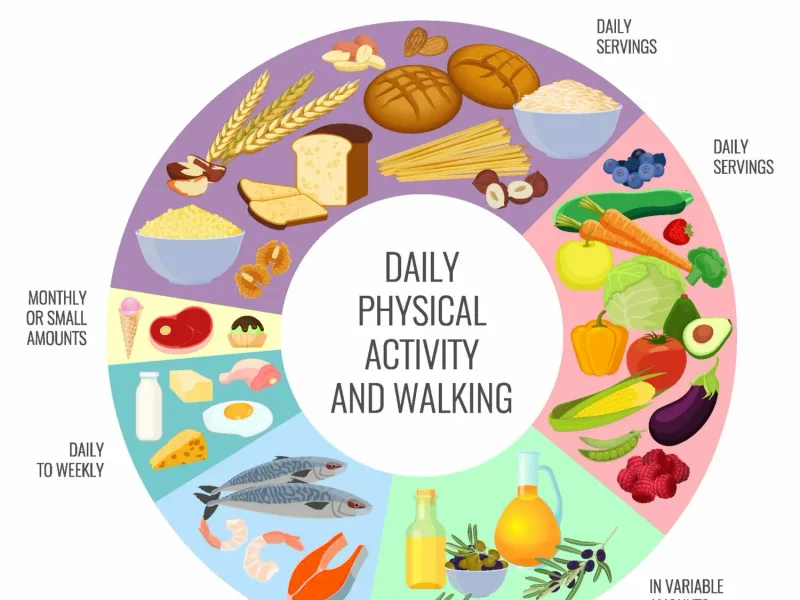
Adequate nutrition is fundamental for healing and maintaining overall health, particularly during the restorative phase. A balanced diet helps prevent complications like pressure sores and supports muscle strength.
Considering an individual's specific requirements and any challenges with deglutition, nutritionists are capable of devising personalized dietary regimens.
Locating Motor Impairment Care Centers in Dumka
Identifying trustworthy facilities for managing motor impairment represents the initial stride towards functional improvement. Within Dumka, numerous healthcare providers, encompassing hospitals and specialized clinics, deliver various facets of care for motor impairment.
Prospective sufferers should thoroughly research and select a center that aligns with their specific requirements and employs a multidisciplinary strategy.
Key Considerations When Choosing a Facility
- Expertise of the Medical Team: Seek out experienced neurologists, physiotherapists, and OTs.
- Availability of Restorative Services: Ensure comprehensive physiotherapy and occupational therapy are offered.
- Technology and Equipment: Modern facilities frequently possess advanced equipment to aid functional improvement.
- Patient Reviews and Reputation: Testimonials and online reviews can provide valuable insights.
- Proximity and Accessibility: Ease of access for regular appointments is vital.
Worth keeping in mind: certain facilities may specialize in particular forms of motor impairment, such as post-stroke neurological restoration or spinal cord injury recuperation.
Coping with Motor Impairment: Assistance and Adaptation
Coping with motor impairment introduces distinct challenges, both physical and emotional. Its profound impact on daily life is widely observed or personally experienced. Consequently, robust systems of assistance are crucial for both the affected individual and their families.
Here's where it gets interesting.
Emotional and Psychological Well-being
The emotional trajectory following the onset of motor impairment can be challenging. Depression, anxiety, and frustration are common emotional responses. Obtaining psychological counseling or participating in peer assistance groups can yield substantial benefits.
Establishing connections with individuals facing comparable experiences may alleviate feelings of isolation. This phenomenon often arises because the abrupt loss of function and the imperative to adapt can be overwhelming.
Family and Caregiver Assistance
A critical role is performed by family members and caregivers. By educating them about the problem and furnishing resources, their capacity to provide optimal assistance is enhanced. Caregiver burnout is a recognized issue; therefore, ensuring their access to respite care and emotional assistance is meaningful.
Community Integration and Accessibility
Fostering community integration is fundamental for cultivating independence and a sense of belonging. This necessitates advocating for accessible infrastructure across public areas, professional environments, and residential dwellings.
This is where most individuals struggle.
In India, progress is being made, but meaningful work remains. An accessible ramp, for instance, is as critical as a wheelchair for an individual's mobility.
Promising Advancements in Motor Impairment Care
The domain of care for motor impairment is undergoing continuous evolution. Investigators are examining novel therapeutic approaches that present prospects for enhanced functional gains. These include:
- Stem Cell Therapy: Early research demonstrates potential for nerve regeneration.
- Robotics and Exoskeletons: Advanced robotic devices can aid movement during therapy.
- Functional Electrical Stimulation (FES): This technique utilizes electrical currents to activate impaired muscles.
Although many of these remain in experimental phases, they signify the future trajectory of care for motor impairment. The WHO emphasizes the importance of continued research and development in neurological restorative therapies.
Statistics on Motor Impairment and Restorative Services in India
Understanding the scope of the issue aids in planning and resource allocation. While specific data for Dumka might be limited, national statistics provide context:
- Approximately 1-2% of the Indian population experiences some form of disability, with neurological conditions being a major contributor.
- In India, road traffic accidents constitute a primary cause of spinal cord injuries, responsible for a marked proportion of motor impairment instances, especially among young adults (AIIMS data indicates up to 50% of SCI cases result from road accidents).
- Demand for restorative services considerably exceeds supply throughout many regions of India, underscoring the necessity for more accessible and economically viable care facilities.
Although living with such conditions is undeniably challenging, individuals can attain fulfilling lives through dedicated medical management and steadfast assistance. This journey demands patience, resilience, and access to appropriate resources in locales such as Dumka.
Key Takeaways
- Motor impairment stems from nervous system damage, with contributing factors encompassing injury, stroke, and various diseases.
- In Dumka, management strategies incorporate medical oversight, extensive restorative therapies (physiotherapy, occupational therapy), and assistive devices.
- Emotional assistance and community accessibility are critical elements for sustained well-being.
- Continuous research, particularly in areas such as stem cell therapy, presents future prospects for functional improvement.
- To achieve optimal outcomes, access to seasoned specialists and reputable restorative facilities is paramount.
Always consult a qualified physician before making medical decisions.
Frequently Asked Questions
Is rice permissible in the diet of an individual with motor impairment?
Dietary guidelines are contingent upon the etiology of motor impairment and any concurrent conditions, such as diabetes or mobility challenges impacting digestion. For most individuals experiencing motor impairment, rice in moderation can be part of a balanced diet.
Here's where it gets interesting.
However, it's crucial to consult with a doctor or a nutritionist to create a personalized eating plan.
What constitutes the most rapid pathway to functional improvement from motor impairment?
No singular 'fastest' method exists, as functional improvement is highly individualized and contingent upon the underlying cause and severity. Timely medical intervention and consistent, intensive restorative therapy are pivotal factors that substantially influence the degree and pace of functional gains.
Early intervention and adherence to the therapy plan are vital.
Is complete resolution of motor impairment achievable?
Full resolution of motor impairment is uncommon, particularly in severe instances stemming from extensive neural damage. Nevertheless, marked functional improvement and an enhanced quality of life are frequently attainable via dedicated restorative therapy and medical oversight.
The primary emphasis typically lies on optimizing residual function and adapting to the existing concern.
What indicators suggest improvement in motor impairment?
Indicators of progress may encompass regaining sensation, observing muscle fasciculations (twitches) or minor movements, enhanced coordination, and augmented strength in affected regions. Sometimes, subtle changes like reduced pain or improved bladder/bowel control can also indicate progress.
Consistent progress in therapy sessions is a good indicator.