Understanding Paralysis: Causes and Impact
Paralysis, the loss of muscle function in part or all of the body, can be a life-altering condition. Honestly, it affects millions globally, leading to significant physical and emotional challenges.
In India alone, conditions leading to paralysis, such as stroke and spinal cord injuries, are a major concern. For instance, the National Health Profile 2019 indicated a considerable burden of neurological disorders.
Understanding the root cause is crucial for effective paralysis treatment. Common culprits include stroke (ischemic or hemorrhagic), traumatic spinal cord injuries (SCIs), infections (like polio or Guillain-Barré syndrome), and certain neurological diseases (such as Multiple Sclerosis or Amyotrophic Lateral Sclerosis - ALS).
When Paralysis Strikes: Immediate Steps
If you or someone you know experiences sudden weakness, numbness, or loss of movement, immediate medical attention is vital. Prompt evaluation by a physician can significantly impact the outcome.
- Recognize the Signs: For stroke, remember F.A.S.T. – Face drooping, Arm weakness, Speech difficulty, Time to call emergency services.
- Seek Emergency Care: Rush to the nearest hospital or call an ambulance. Early intervention can minimize damage.
- Stabilization: Medical professionals will focus on stabilizing the patient and preventing further complications.
Paralysis care Approaches in Sahebganj
Sahebganj, while a developing region, offers access to essential medical services and rehabilitation facilities. The goal of paralysis care is multifaceted: to address the underlying cause, manage symptoms, restore function, and enhance the overall quality of life for those affected.
Medical Management
The initial phase often involves medical interventions to stabilize the patient and treat the primary cause. For a stroke patient, this might include clot-busting drugs or surgery to remove blockages.
Recovery is rarely linear.
In cases of spinal cord injury, surgical decompression or stabilization might be necessary. Doctors focus on preventing secondary complications like pressure sores and infections.
Rehabilitation: The Cornerstone of Recovery
Rehabilitation is where the real journey towards recovery begins. It’s a long road, and consistency is key. Have you ever wondered why rehabilitation is so critical? It empowers individuals to regain as much independence as possible.
Physical Therapy (Physiotherapy)
Physical therapy is fundamental. Certified physiotherapists work with patients to improve strength, mobility, and coordination. Exercises are tailored to the individual's specific needs and abilities. Think about it this way: the therapist acts as a guide, helping your muscles relearn movements.
- Range of Motion Exercises: To prevent stiffness and maintain joint flexibility.
- Strengthening Exercises: Using resistance bands, weights, or body weight to build muscle power.
- Gait Training: Helping people relearn to walk, often with assistive devices.
- Balance Training: Crucial for preventing falls and improving stability.
Occupational Therapy
Occupational therapy (OT) focuses on enabling people to perform daily activities (occupations) with greater ease. What most people miss is how OT helps regain independence in tasks like eating, dressing, and bathing. Occupational therapists in Sahebganj assist individuals in adapting their environment and learning new ways to accomplish tasks.
- Adaptive Equipment Training: Learning to use tools like specialized cutlery or dressing aids.
- Home Modifications Assessment: Suggesting changes to the home environment for better accessibility.
- Cognitive Rehabilitation: For those affected by brain injuries, helping to elevate memory and problem-solving skills.
Speech and Language Therapy
If paralysis affects speech or swallowing (dysphagia), speech-language pathologists (SLPs) provide vital support. They help boost communication clarity and safe swallowing techniques. Living with communication barriers is genuinely hard, and SLPs offer hope.
Here's where it gets interesting.
Newer Therapeutic Modalities
Advanced techniques are increasingly becoming available. These may include:
- Electrical Stimulation: Used to activate muscles that are difficult to move voluntarily.
- Robotics-Assisted Therapy: Exoskeletons and robotic limbs can assist in repetitive, intensive training.
- Virtual Reality (VR): Immersive VR environments can make therapy more engaging and successful.
Assistive Devices and Technology
To enhance mobility and independence, various assistive devices are available. Wheelchairs, walkers, braces, and specialized adaptive equipment play a crucial role. For example, advanced wheelchairs offer greater maneuverability for navigating different terrains.
Finding Specialists in Sahebganj
Locating the right medical professionals is a key step. Sahebganj has access to general physicians and some specialists who can guide the initial diagnosis and intervention plan. For specialized neurological care and advanced rehabilitation, sufferers may need to consult larger medical centers in nearby cities, though local resources are expanding.
- General Hospitals: Offer initial assessment and emergency care.
- Local Clinics: Provide ongoing support and monitoring.
- Referral to Higher Centers: Specialists often refer people to dedicated rehabilitation institutes for intensive therapy.
We often see those affected benefit immensely from a coordinated care approach. This involves close collaboration between physicians, therapists, and the patient's family.
Patient Experience and Support
The journey through paralysis recovery is challenging, both physically and emotionally. Support systems are vital. Many individuals find strength in support groups, connecting with others who share similar experiences. Family involvement is paramount; their encouragement can significantly boost a patient's morale.
Think about it this way: recovery is not just about physical healing; it's also about rebuilding confidence and finding purpose. We've seen sufferers achieve remarkable milestones through sheer determination and consistent support.
Recovery is rarely linear.
Diet and Nutrition
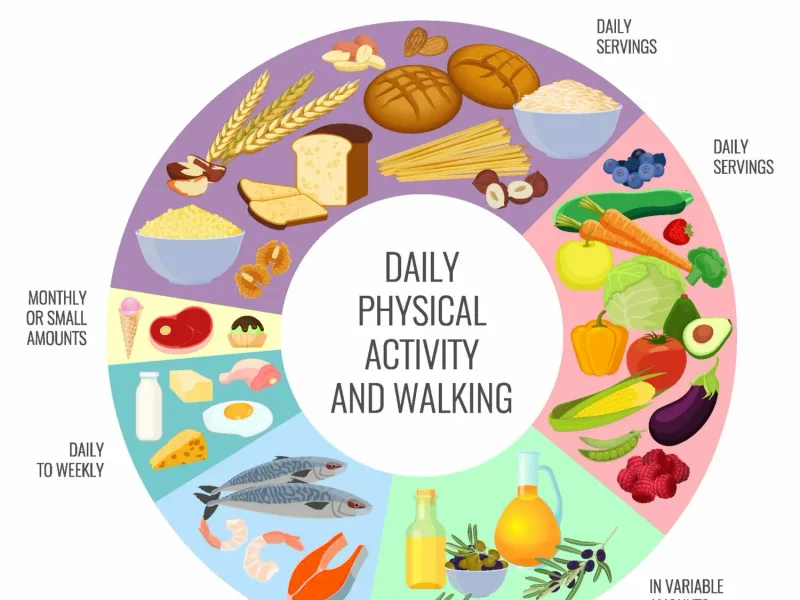
A balanced diet is crucial for recovery and overall health. Adequate protein intake supports muscle repair, while essential vitamins and minerals aid in healing. For individuals with swallowing difficulties, modified food textures and thickened liquids may be recommended by a speech therapist.
Preventive Measures and Future Outlook
While not all causes of paralysis are preventable, certain measures can reduce risks. Maintaining a healthy lifestyle, managing chronic conditions like hypertension (high blood pressure), and practicing safety precautions to prevent accidents and injuries are vital steps.
India's focus on improving stroke care and spinal cord injury management is growing.
Does this sound familiar? Many of us worry about falling or accidents. Wearing seatbelts, using protective gear during sports, and ensuring home safety can prevent many traumatic injuries.
Key Takeaways
- Paralysis requires prompt medical attention and a structured rehabilitation plan.
- Physical and occupational therapy are crucial for regaining function and independence.
- Support systems, including family and peer groups, play a vital role in recovery.
- A healthy diet and preventive lifestyle choices can support overall well-being.
- Specialized care may involve advanced therapies and assistive technologies.
The path to recovery after paralysis can be long and demanding, but with the right approach, consistent effort, and unwavering support, meaningful improvements in function and quality of life are achievable. Remember, every small step forward is a victory.
Always consult a qualified physician before making medical decisions.
Frequently Asked Questions
What is the first step after experiencing paralysis manifestations?
The immediate step is to seek emergency medical attention. If stroke is suspected, remember the F.A.S.T. acronym and call for an ambulance right away. Early intervention is critical for better outcomes.
Here's where it gets interesting.
Can paralysis be completely cured?
Complete cure depends heavily on the underlying cause and the extent of damage. While some paralysis conditions can be reversed, many require long-term management and rehabilitation to maximize functional recovery and independence.
How long does paralysis rehabilitation take?
Rehabilitation duration varies greatly. It can range from weeks to months or even years, depending on the individual's issue, the severity of paralysis, and their commitment to therapy. Progress is often gradual.
Are there specific exercises for paralysis at home?
While supervised therapy is essential, therapists may prescribe home exercise programs. These are tailored to your specific problem and should be performed carefully as instructed. Never start new exercises without consulting your healthcare provider.