Understanding PCOS: More Than Just a Syndrome
Polycystic Ovary Syndrome, or PCOS, is a complex endocrine disorder that affects numerous women of reproductive age. It is identified by irregular menstrual cycles, elevated androgen levels (male hormones), and ovaries that contain many small follicles, known as polycystic morphology.
Navigating life with PCOS can be difficult, as it affects fertility, metabolic health, and emotional well-being. Healthcare providers frequently encounter individuals contending with its diverse manifestations.
Common Signs and Symptoms of PCOS
Identification of the indicators represents the essential initial step. The manifestations of this condition vary considerably among individuals.
- Irregular Menstrual Cycles: Infrequent, extended, or unusually heavy periods are commonly observed.
- Excess Androgen Presence: This can present as hirsutism (excessive facial or body hair growth), pronounced acne, or a male-pattern type of hair loss.
- Polycystic Ovarian Appearance: An ultrasound examination may reveal numerous small cysts on the structures producing eggs.
- Weight Accumulation: Many individuals with PCOS find it challenging to lose weight, particularly around the abdominal area.
- Dermatological Concerns: Persistent acne, especially along the jawline and chin, serves as a frequent indicator.
- Hair Thinning: Elevated androgen levels can lead to a reduction in scalp hair density.
- Fatigue: Chronic weariness is a commonly reported complaint.
- Mood Alterations: Anxiety and depression may be associated with fluctuations in endocrine compounds and the stress linked to managing PCOS.
PCOS Treatment Approaches in the Region
Management of Polycystic Ovary Syndrome is not a universal solution; instead, it demands a tailored approach based on each person's unique requirements and objectives. In this area, various established therapies are accessible, encompassing changes in daily routines, medication, and, at times, surgical interventions.
Modifying Daily Habits: The Foundation of Care
Adjustments to daily habits form a critical basis for addressing PCOS. These strategies are typically the initial line of care and can significantly alleviate manifestations.
Dietary Adjustments
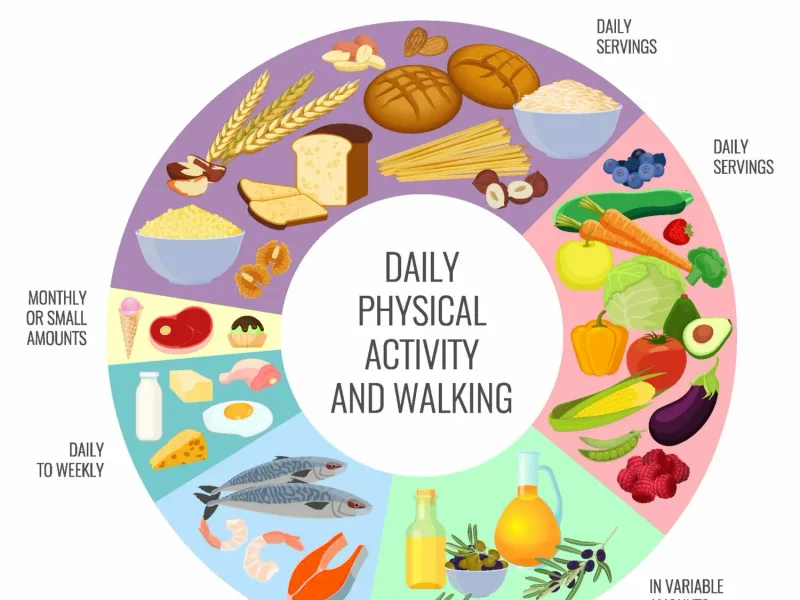
A well-balanced diet holds paramount importance. Prioritize whole foods, lean protein sources, and beneficial fats. Limiting highly processed items, sugary beverages, and refined carbohydrates assists in managing insulin resistance, a central concern in PCOS.
It sounds simple. It rarely is.
Nutrition specialists in the region can develop individualized meal plans. For example, integrating complex carbohydrates such as millets (jowar, bajra) and whole grains can aid in controlling blood sugar.
Regular Physical Activity
Strive for a minimum of 150 minutes of moderate-intensity aerobic exercise each week. Strength training also proves highly advantageous for building muscle mass and enhancing metabolic function. Even a brisk walk can make a considerable impact. Engaging in an enjoyable activity—such as yoga or swimming—facilitates adherence to a routine.
Weight Management
For individuals who are overweight, even a modest reduction of 5-10% in body weight can notably improve endocrine balance and the regularity of menstrual cycles. This objective, while challenging, yields significant benefits.
Stress Management and Sleep
Persistent stress can exacerbate PCOS warning signs. Techniques such as meditation, deep breathing exercises, and ensuring sufficient sleep (7-9 hours) are crucial. Prioritizing mental well-being is as important as physical health.
Here's where it gets interesting.
Medical Therapies for PCOS
When adjustments to daily habits prove insufficient, medical practitioners may prescribe medication. These treatments aim to regulate menstrual cycles, decrease androgen concentrations, and manage related conditions.
Contraceptive Pills
Combined oral contraceptive pills (COCs) are frequently prescribed. They assist in regulating periods, diminishing acne, and controlling excessive hair growth by managing hormone concentrations. Brands like Yasmin or Diane-35 are often considered; however, a doctor's prescription is essential.
Anti-Androgen Medications
These pharmaceutical agents block the effects of surplus male hormones. They can help reduce hirsutism and acne. Spironolactone is a usual example, frequently used alongside birth control pills.
Metformin
Metformin, a drug typically prescribed for type 2 diabetes, is commonly indicated for PCOS. It enhances insulin sensitivity, which can assist in regulating ovulation and menstrual cycles. Physicians usually initiate intervention with a low dose to minimize adverse effects.
Clomiphene Citrate and Letrozole
For individuals experiencing infertility due to PCOS, medications designed to induce ovulation, such as Clomiphene Citrate (Clomid) or Letrozole, are highly effective. These compounds stimulate the reproductive glands to release eggs, thereby increasing the likelihood of conception. They are administered under strict medical supervision.
That's the part worth remembering.
Surgical and Procedural Options
In specific instances, surgical interventions may be taken into consideration. Ovarian drilling, a minimally invasive laparoscopic procedure, can sometimes benefit restore consistent ovulation. This approach is generally reserved for situations where other treatments have not yielded success.
Finding Expert PCOS Care in the Region
This region offers several reputable healthcare facilities and seasoned specialists dedicated to women's health. Selecting the appropriate physician is paramount for powerful PCOS management.
Leading Hospitals and Clinics
Institutions such as Apollo Hospital, MGM Hospital, and various private clinics provide specialized gynecological and endocrinology services. Many employ physicians trained in managing complex endocrine conditions like PCOS. Seek centers equipped with advanced diagnostic tools, including ultrasound and hormone assay facilities.
Specialist Consultations
Consulting a gynecologist or an endocrinologist is essential. These specialists can accurately diagnose PCOS through a combination of medical history, physical examination, blood tests, and ultrasound scans.
then, they will develop a personalized approach strategy. Early diagnosis makes a real difference in preventing long-term complications.
The Role of Advanced Diagnostics
Precise diagnosis is of utmost importance. Medical professionals in this region employ sophisticated diagnostic methodologies:
- Hormone Blood Tests: Measuring concentrations of testosterone, LH, FSH, prolactin, and thyroid hormones provides vital insights.
- Pelvic Ultrasound: This imaging technique visualizes the reproductive glands, checking for the characteristic 'string of pearls' appearance of polycystic structures.
- Insulin Resistance Tests: Examinations like the Oral Glucose Tolerance Test (OGTT) assess how the body processes sugar, thereby identifying insulin resistance.
PCOS and Fertility in the Region
Infertility represents a meaningful concern for many women with PCOS. Irregular ovulation complicates natural conception. Nevertheless, with appropriate intervention, many women can achieve pregnancy.
Fertility Treatments
Specialized fertility clinics in this area provide assisted reproductive technologies (ART) such as In Vitro Fertilization (IVF) and Intrauterine Insemination (IUI). These procedures, guided by fertility specialists, demonstrate high success rates for women with PCOS.
That's the part worth remembering.
While the journey can be emotionally demanding, support resources are readily available.
Long-Term Health Considerations
PCOS extends beyond reproductive health, linking to several long-term health risks. Proactive management can mitigate these potential dangers.
Cardiovascular Health
Individuals with PCOS face an elevated risk of heart disease. Maintaining a healthy weight, engaging in regular exercise, and managing blood pressure and cholesterol are essential preventive measures. Routine medical check-ups with your physician are indispensable.
Diabetes possibility
Insulin resistance, frequently observed in PCOS, significantly elevates the likelihood of developing type 2 diabetes. Consistent monitoring of blood sugar concentrations and adherence to a healthy daily routine are crucial protective strategies.
Endometrial Cancer
Irregular menstrual cycles can lead to a thickening of the uterine lining (endometrium), which increases the likelihood of endometrial cancer over time. Regular menstrual cycles, typically achieved through intervention, benefit diminish this likelihood.
Patient Experiences and Support
Patients frequently report the emotional burden that PCOS can impose. Feeling understood and supported is crucial. Many individuals discover strength in sharing their experiences with others who face similar challenges.
Most people overlook this completely.
Support groups, both online and in person in the region, can offer invaluable emotional and practical assistance. It is crucial to remember that this journey is not undertaken alone.
Choosing Your Healthcare Partner
Selecting the appropriate healthcare provider in this region is a pivotal step. Seek physicians who listen attentively, explain medical conditions clearly, and involve you in therapy decisions.
those affected should request recommendations, review testimonials, and schedule initial consultations to identify a specialist they trust. Cultivating a robust patient-doctor relationship facilitates more powerful and empowering care.
Frequently Asked Questions
Can I eat rice if I have PCOS?
Yes, consuming rice is permissible, but moderation is key. Opt for brown rice or other whole grains over white rice. Practicing portion control and pairing rice with protein and fiber-rich vegetables can more effectively assist in managing blood sugar concentrations.
How long does PCOS therapy take?
PCOS is a chronic concern, meaning therapy focuses on ongoing management rather than a definitive cure. The duration of therapy varies based on individual signs and objectives. Adjustments to daily habits are lifelong, while medications or other therapies may be modified over time depending on progress and response.
Is PCOS genetic?
PCOS frequently manifests within families, suggesting a genetic predisposition. However, it is not exclusively determined by genes.
Environmental elements and personal choices also significantly influence its development and severity. This interplay indicates that even with a genetic susceptibility, modifications to one's daily routine can substantially impact the issue.
Here's where it gets interesting.
What are the best exercises for PCOS?
A combination of aerobic exercises (such as brisk walking, jogging, swimming, or cycling) and strength training comes highly recommended. Yoga and Pilates can also prove beneficial for stress reduction and core development. Consistency outweighs intensity, so identifying activities you enjoy and can maintain long-term is paramount.
Always consult a qualified physician before making medical decisions.