Understanding Piles (Hemorrhoids) in Simdega
Piles, medically known as hemorrhoids, are swollen veins in the lower rectum and anus. Many of us have experienced the discomfort they bring. They can manifest as internal (inside the rectum) or external (under the skin around the anus) conditions.
Honestly, the persistent itching and pain can significantly disrupt daily life. The reality is, India sees a substantial number of people affected by hemorrhoids annually, with estimates suggesting up to 50% of the population may experience them at some point.
In Simdega, as in many parts of India, factors like dietary habits, sedentary lifestyles, and delayed bowel movements contribute to the prevalence of piles. Prolonged sitting or standing, heavy lifting, and pregnancy are also common triggers. Worth knowing: Chronic constipation is a major culprit, straining the veins around the anus and rectum.
prevalent Symptoms and When to Seek Help
Recognizing the signs is the first step towards effective management. frequent indicators include:
- Bleeding during bowel movements (bright red blood).
- Itching or irritation in the anal region.
- Pain or discomfort, especially when sitting.
- Swelling around the anus.
- A feeling of incomplete bowel evacuation.
What should you actually do if you notice these signs? Prompt medical attention is crucial. Ignoring indicators can lead to complications like severe pain, infection, or anemia due to chronic blood loss.
Here's where it gets interesting.
For instance, persistent rectal bleeding, even if painless, requires immediate evaluation by a physician to rule out other serious conditions, such as colorectal cancer. AIIMS, Delhi, emphasizes that any rectal bleeding warrants a professional diagnosis.
Piles Treatment Options Available in Simdega
Fortunately, a range of management approaches exists for piles, catering to different severity levels. Physicians in Simdega offer both conservative and interventional therapies.
Conservative Management
For mild cases, lifestyle modifications and home care can provide significant relief. These often form the cornerstone of initial therapy:
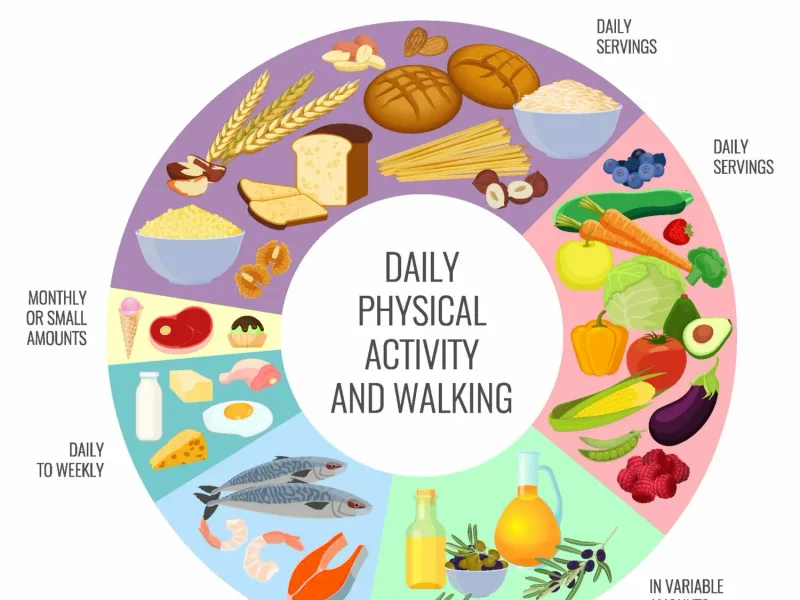
- Dietary Changes: Increasing fiber intake is vital. Aim for 25-30 grams daily from fruits, vegetables, and whole grains. This softens stools, reducing straining. India's National Institute of Nutrition recommends high-fiber diets for digestive health.
- Hydration: Drinking plenty of water (8-10 glasses daily) aids in stool consistency.
- Bowel Habits: Avoid straining during bowel movements and don't sit on the toilet for extended periods. Respond to the urge to defecate promptly.
- Topical Treatments: Over-the-counter creams and ointments can soothe itching and reduce swelling. Your doctor might recommend specific formulations containing ingredients like witch hazel or hydrocortisone.
- Sitz Baths: Soaking the anal area in warm water for 15-20 minutes several times a day can alleviate pain and itching.
Medical Interventions
When conservative methods aren't sufficient, medical interventions become necessary. These are typically performed by proctologists or general surgeons.
- Rubber Band Ligation: This is a prevalent outpatient procedure for internal hemorrhoids. A small rubber band is placed around the base of the hemorrhoid to cut off its blood supply, causing it to shrink and fall off within a week.
- Sclerotherapy: A chemical solution is injected into the hemorrhoid tissue, causing it to scar and shrink. It’s reliable for smaller internal hemorrhoids.
- Infrared or Laser Photocoagulation: These methods use heat to burn and seal off hemorrhoidal tissue, particularly useful for bleeding internal hemorrhoids.
Surgical Options
In severe or complicated cases, surgery might be the most reliable approach. The choice of procedure depends on the size, number, and location of the hemorrhoids.
- Hemorrhoidectomy: This surgical removal of hemorrhoidal tissue is the most reliable approach for large or prolapsed hemorrhoids. While recovery can be longer, it offers a permanent solution for many. The Indian Journal of Surgery has published extensively on the outcomes of this procedure.
- Stapled Hemorrhoidectomy (PPH): This technique uses a stapling device to reposition hemorrhoidal tissue, often resulting in less pain and a quicker recovery compared to traditional hemorrhoidectomy.
So what does that mean for you? Consulting a specialist is key to determining the most suitable care path based on your individual condition.
Finding Specialists in Simdega
Simdega has a growing number of healthcare facilities and physicians specializing in gastrointestinal and anorectal conditions. When seeking piles therapy in Simdega, look for:
- General Physicians: Your first point of contact for initial diagnosis and conservative management advice.
- Gastroenterologists: Specialists in the digestive system who can manage related issues like constipation.
- Proctologists/Colorectal Surgeons: These specialists have focused expertise in conditions affecting the rectum and anus, including advanced piles management.
It's advisable to inquire about a doctor's experience with specific procedures, such as rubber band ligation or hemorrhoidectomy, before committing to a therapy plan. The Indian Medical Association (IMA) provides resources for finding qualified practitioners in your area.
Living with Piles: Prevention and Long-Term Health
Preventing recurrence is as vital as powerful care. Embracing a healthy lifestyle is key. Many of us have learned that small, consistent changes yield the best results. Remember, living with chronic discomfort is genuinely hard, but proactive steps can make a meaningful difference.
Focus on maintaining regular bowel movements, managing weight, and avoiding prolonged sitting, much like we advise for preventing back pain. Regular physical activity, like a brisk walk in the local market or engaging in yoga, can significantly boost gut health and circulation.
It sounds simple. It rarely is.
India's ICMR (Indian Council of Medical Research) consistently highlights the role of lifestyle in preventing chronic diseases.
In real-world terms, incorporating a plate of local vegetables and fruits into your daily meals, similar to how we ensure our children get their nutrients, can dramatically improve digestive health and reduce the risk of developing or worsening piles.
Key Takeaways
- Piles are swollen veins in the anal/rectal area, affecting a large portion of the population.
- Early recognition of indicators like bleeding, itching, and pain is crucial for timely intervention.
- care ranges from lifestyle changes (fiber, hydration) to medical procedures like banding and surgery.
- Consulting specialists in Simdega, such as proctologists, ensures the most appropriate care.
- Preventative measures, including diet and exercise, are vital for long-term management.
Frequently Asked Questions
Can I eat rice if I have piles?
Yes, you can generally eat rice if you have piles, but moderation is key. White rice is low in fiber and can contribute to constipation for some individuals.
Opting for brown rice or other whole grains will provide more fiber, which is beneficial for preventing straining during bowel movements. Ensure you maintain adequate hydration alongside a fiber-rich diet.
Are home remedies for piles successful?
Some home remedies can offer temporary relief from warning signs like itching and discomfort. Sitz baths, applying witch hazel pads, and using fiber supplements can be helpful.
However, these do not cure the underlying disorder. For persistent or severe warning signs, it is crucial to seek professional medical advice and management from a qualified physician.
How long does piles therapy take to show results?
The timeframe for seeing results varies significantly depending on the care method and the severity of the piles. Conservative treatments and lifestyle changes may suggest improvement within days to weeks.
Minimally invasive procedures like rubber band ligation often provide relief within a week as the hemorrhoid detaches. Surgical interventions like hemorrhoidectomy might require a longer recovery period, typically several weeks, but offer more definitive results for severe cases.
That alone changes everything.
Is surgery the only permanent solution for piles?
Surgery is considered the most permanent solution for severe or recurrent cases of piles, especially for large or prolapsed hemorrhoids that do not respond to other treatments. However, for milder forms, consistent lifestyle modifications—including a high-fiber diet, adequate hydration, and regular exercise—can effectively manage the issue and prevent it from worsening, potentially avoiding the need for surgery altogether.
Maintaining these habits is crucial even after surgery to prevent recurrence.
Always consult a qualified physician before making medical decisions.