Pneumonia Diet: Nourishing Your Body Back to Health
Meena, 45, a homemaker from Jaipur, noticed a persistent cough and fever after a particularly humid monsoon season. Her doctor diagnosed her with pneumonia, a serious lung infection. While antibiotics were prescribed, Meena was also advised to focus on her diet to aid healing. This is a common scenario across India, where respiratory infections frequently spike with changing weather patterns.
Pneumonia affects millions globally, with an estimated 3 million cases of severe lung ailments requiring hospitalization annually (WHO). The reality is, your diet makes a real difference in supporting your body's defenses and helping your lungs mend. What should you actually do? This guide will walk you through the best dietary choices during your convalescence.
Understanding Pneumonia and Its Nutritional Needs
Pneumonia is an infection that inflames the air sacs in one or both lungs. These air sacs may fill with fluid or pus (purulent material), causing cough with phlegm or pus, fever, chills, and difficulty breathing. The body’s metabolic demands increase significantly when fighting off an infection.
This means you need more calories and essential nutrients to fuel your immune response and repair damaged lung tissue. Adequate hydration is also paramount, as it helps thin mucus, making it easier to cough up and clear from the airways. Honestly, focusing on nutrient-dense sustenance can make a noticeable difference in your recovery timeline and overall well-being.
That alone changes everything.
Sustenance to Embrace for Pneumonia Recovery
When battling pneumonia, your body requires easily digestible, nutrient-rich provisions that provide sustained vitality and bolster your defenses. Think about it this way: you're essentially feeding your body's protective mechanisms to help it win the fight.
Prioritising meals rich in vitamins, minerals, antioxidants, and lean protein is key. The Indian Council of Medical Research (ICMR) highlights the importance of a balanced diet for overall health, which is even more critical during illness.
1. Lean Proteins: The Building Blocks
Protein is vital for repairing tissues and supporting immune function. During illness, your protein requirements increase. Aim for easily digestible sources.
- Chicken and Fish: Boiled or steamed chicken or fish are excellent sources. A simple chicken broth can be soothing and highly nutritious.
- Eggs: A powerhouse of protein and other essential nutrients, scrambled or boiled eggs are easy to digest.
- Lentils and Legumes (Dal): Well-cooked dals like moong dal or masoor dal are gentle on the stomach and provide plant-based protein. Avoid overly spicy preparations.
- Tofu and Paneer: For vegetarians, these provide good protein. Ensure they are prepared simply, without excessive oil or spices.
2. Fruits and Vegetables: Vitamin Powerhouses
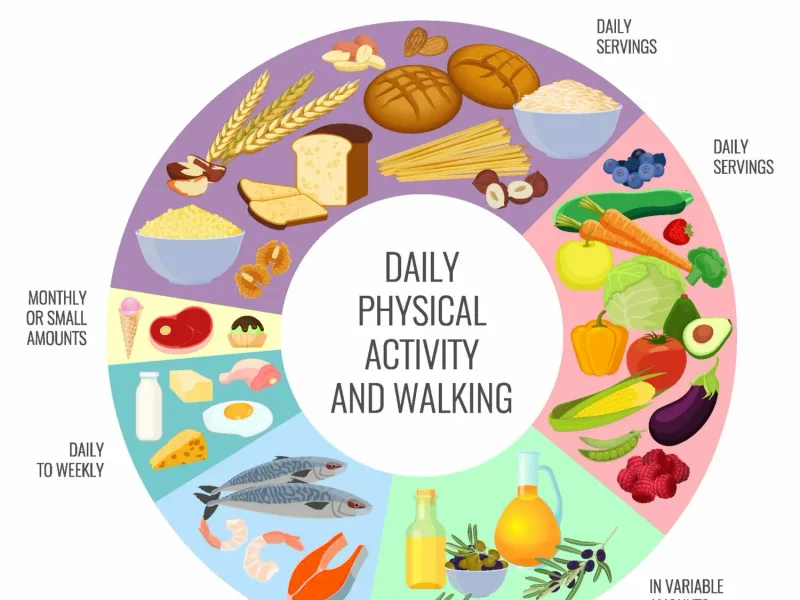
These are packed with vitamins, minerals, antioxidants, and fiber, all crucial for fighting infection and promoting healing. Aim for a variety of colours.
- Citrus Fruits: Oranges, grapefruits, and lemons are rich in Vitamin C, a potent antioxidant that supports the immune system.
- Berries: Blueberries, strawberries, and raspberries are loaded with antioxidants.
- Leafy Greens: Spinach, kale, and other cooked greens provide essential vitamins and minerals. Ensure they are thoroughly washed and cooked.
- Root Vegetables: Carrots, sweet potatoes, and beets offer beta-carotene and other vital nutrients. Steaming or boiling is preferable.
- Bananas: Easy to digest and a good source of potassium and vitality.
3. Whole Grains: Sustained Vitality
Complex carbohydrates provide the vitality your body needs to recover without causing energy spikes and crashes. They are also a good source of fiber.
- Oatmeal: A warm, comforting, and easily digestible breakfast option.
- Brown Rice: A good source of fiber and vitality.
- Whole Wheat Roti/Chapati: Opt for softer preparations.
4. Healthy Fats: For Inflammation Control
While often demonised, healthy fats are essential for reducing inflammation and supporting overall health. Moderation is key.
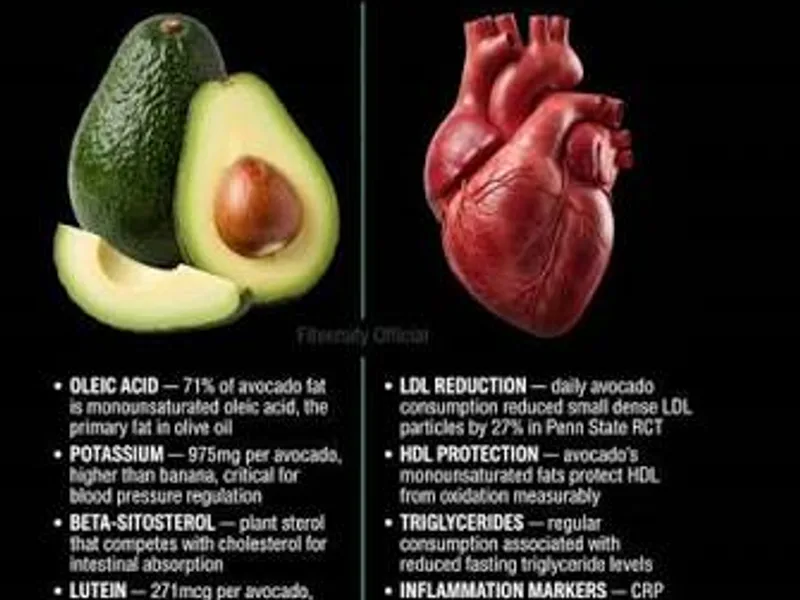
- Avocado: Rich in healthy monounsaturated fats and vitamins.
- Nuts and Seeds (in moderation): Almonds, walnuts, chia seeds, and flaxseeds provide omega-3 fatty acids. Ensure they are not too hard to chew or digest. Ground seeds are often easier.
- Olive Oil: Use in small amounts for cooking or dressings.
5. Hydration: The Unsung Hero
Staying hydrated is perhaps the most critical aspect of convalescence. Fluids aid thin mucus, making it easier to expel, and prevent dehydration, especially if you have a fever. Does this sound familiar? Many people underestimate the power of simple hydration.
- Water: The best choice. Aim for at least 8-10 glasses a day.
- Herbal Teas: Ginger, peppermint, or chamomile teas can be soothing and offer additional benefits.
- Broths and Soups: Clear vegetable or chicken broths provide fluids and electrolytes.
- Diluted Fruit Juices: Opt for fresh, diluted juices in moderation.
Sustenance to Avoid or Limit During Pneumonia Recovery
Certain provisions can hinder your convalescence by causing inflammation, digestive distress, or dehydrating you. While you might crave comfort items, they may not be the best choice right now. The International Diabetes Federation (IDF) frequently stresses the impact of diet on inflammatory markers, a principle that applies here too.
That's the part worth remembering.
1. Processed Foods and Sugary Snacks
These offer little nutritional value and can suppress your body's defenses. High sugar intake can promote inflammation. Over 101 million Indians have diabetes (ICMR, 2023), making blood sugar management during illness even more critical.
- Packaged snacks, cookies, cakes, pastries.
- Sugary drinks like sodas, vitality drinks, and sweetened fruit juices.
- Processed meats (sausages, hot dogs).
2. Greasy and Fried Foods
These are difficult to digest and can lead to stomach upset, diverting vitality away from fighting the infection.
- Fried snacks like samosas, pakoras.
- Oily curries and deep-fried meats.
- Fast food items.
3. Excessive Dairy (Sometimes)
While dairy can be a source of protein and calcium, some people find it increases mucus production, which can be problematic with respiratory infections. Listen to your body.
If dairy seems to worsen your symptoms, consider limiting it temporarily. If you are healing from an infection that caused significant phlegm, this is a point to consider carefully.
4. Alcohol and Caffeine
Alcohol can dehydrate you and interfere with medications. Caffeine, found in coffee and some teas, can also be dehydrating and may disrupt sleep, which is crucial for healing.
5. Spicy Foods (in excess)
While some spices have anti-inflammatory properties, excessively spicy food can irritate the stomach and potentially worsen cough signs for some individuals.
Practical Dietary Tips for Indian Patients
Adapting dietary advice to the Indian context is essential. Many Indian households traditionally prepare light, soupy dishes during illness, which aligns well with healing needs.
Think about the typical celebratory feasts during festivals like Diwali or Eid – these are often rich and heavy, making them unsuitable during acute illness. Opting for simpler, home-cooked meals is always best.
- Focus on home-cooked meals: Avoid restaurant food or street food, which can be unpredictable in terms of hygiene and preparation.
- Embrace simple preparations: Boiled, steamed, or lightly sautéed dishes are ideal. Avoid heavy gravies and deep frying.
- Listen to your body: If certain provisions cause discomfort, bloating, or worsen your indicators, avoid them.
- Chew thoroughly: Especially if you feel weak, ensure you chew your sustenance well to aid digestion. Avoid sitting on the floor to eat if you feel unsteady; use a table and chair.
- Small, frequent meals: Eating smaller portions more often can be easier to manage than large meals, especially if your appetite is low.
The Role of Supplements
While a balanced diet should be your primary focus, your doctor might recommend specific supplements. Vitamin C, Vitamin D, and Zinc are frequently suggested to support immune function. The Lancet has published studies on the role of micronutrients in respiratory health. However, never self-medicate with supplements.
Always discuss dosages and necessity with your healthcare provider. Based on global data, inadequate Vitamin D levels are prevalent in India, affecting nearly 80% of the population, making supplementation a frequent consideration (IDF). This underscores the importance of professional medical advice.
Recovery is rarely linear.
When to Seek Medical aid
While dietary changes can significantly aid convalescence, it's crucial to recognise when medical intervention is necessary. Persistent high fever, increasing difficulty breathing, chest pain, or coughing up bloody mucus are serious warning signs.
If your warning signs worsen despite home care and dietary adjustments, consult your doctor immediately. AIIMS experts consistently advise prompt medical attention for severe respiratory manifestations.
Key Takeaways
- Prioritise lean proteins, fruits, vegetables, and whole grains for vitality and immune support.
- Stay extremely well-hydrated with water, herbal teas, and broths.
- Avoid processed items, sugary things, fried provisions, alcohol, and excessive caffeine.
- Focus on simple, home-cooked meals, adapting traditional Indian recipes for easier digestion.
- Always consult a qualified physician before making any medical decisions.