Understanding Psoriasis: More Than Just Skin Deep
Psoriasis is a chronic autoimmune condition. It causes the body to produce skin cells too rapidly. This leads to thick, scaly patches on the skin. You'll notice that these patches often appear red and inflamed.
Honestly, living with psoriasis can be a significant challenge, impacting both physical comfort and emotional well-being. In India, millions grapple with this disorder. For instance, estimates suggest around 2-3% of the population, translating to over 30 million people, are affected by psoriasis.
The exact cause of psoriasis isn't fully understood. However, experts believe it involves a combination of genetic predisposition and immune system dysfunction. When the immune system mistakenly attacks healthy skin cells, it triggers rapid cell turnover.
This process, which normally takes weeks, can happen in just days for those with psoriasis. Is there a better way to manage this accelerated cell growth?
Common Psoriasis Symptoms and Indicators
The signs of psoriasis can vary widely among individuals. Commonly, people experience raised, red patches covered with silvery scales. These areas might feel itchy, sore, or even burn. You'll notice that the severity can range from small, localized spots to widespread body coverage.
It sounds simple. It rarely is.
- Plaque Psoriasis: This is the most prevalent form. It presents as well-defined, red plaques with silvery scales.
- Guttate Psoriasis: Characterized by small, droplet-shaped red spots. It often appears suddenly after an infection, like strep throat.
- Inverse Psoriasis: Smooth, red patches that occur in skin folds, such as under the breasts or in the groin area.
- Pustular Psoriasis: Less widespread, this type features pus-filled blisters, often on the hands and feet.
- Erythrodermic Psoriasis: A severe, widespread form covering the entire body with redness and scaling.
Think about it this way: your skin is a barrier, and when this barrier is compromised, it's not just a cosmetic issue. The discomfort can be profound. Many of us have seen patients struggle with cracked, bleeding skin, which increases the risk of infection. What should you actually do when these warning signs appear?
Psoriasis Treatment Approaches in Jamtara
Fortunately, effective psoriasis care options are available right here in Jamtara. Physicians are employing a range of therapies to manage the issue. The goal is typically to reduce inflammation, slow skin cell growth, and remove scales. It's about improving quality of life.
Topical Treatments
Topical therapies are often the first line of approach for mild to moderate psoriasis. These are creams, ointments, lotions, gels, and soaps applied directly to the skin.
- Corticosteroids: These are powerful anti-inflammatory agents. They help reduce redness and scaling. Potent formulations are available by prescription.
- Vitamin D Analogues: Calcipotriene (calcipotriol) and calcitriol work by slowing skin cell growth. They are often used in combination with other treatments.
- Retinoids: Tazarotene is a topical retinoid that helps normalize skin cell growth. It can be proven but may cause skin irritation.
- Salicylic Acid: This helps to soften scales, making them easier to remove. It's often found in shampoos and ointments.
- Coal Tar: Historically notable, coal tar reduces scaling, itching, and inflammation. It's available in various forms, including shampoos and bath solutions.
In real-world terms, finding the right topical combination can take time. A specialist will assess your specific type and severity of psoriasis to recommend the most suitable options. Consistency is key for these treatments to be impactful.
Phototherapy (Light Therapy)
Phototherapy uses ultraviolet (UV) light to slow the growth of affected skin cells. It is usually administered under medical supervision.
- Broadband UVB: This exposes the skin to a specific range of ultraviolet light. Multiple sessions per week are typically required.
- Narrowband UVB: Considered more proven than broadband, it uses a smaller range of UVB light. This allows for shorter management times.
- Excimer Laser: This targets only the affected skin areas, delivering a higher intensity of UV light. It's often used for localized psoriasis patches.
While successful, phototherapy requires commitment. people need to attend regular clinic visits. The duration and frequency depend on individual response and the extent of the disorder. Many those affected find relief with this approach when topical treatments aren't sufficient.
This is where most people struggle.
Systemic Medications
For moderate to severe psoriasis, or when other treatments fail, systemic medications are considered. These drugs work throughout the body to suppress the immune system or slow skin cell production.
- Methotrexate: A cornerstone therapy, it reduces inflammation and slows skin cell turnover. Regular blood tests are crucial to monitor its effects and potential side effects.
- Cyclosporine: This potent immunosuppressant provides rapid relief but is typically used for short periods due to potential kidney effects.
- Apremilast: An oral medication that works by inhibiting specific enzymes involved in inflammation. It offers a targeted approach with a generally favourable safety profile.
Biologics: The New Frontier
Biologic drugs represent a considerable advancement in psoriasis care. They are typically administered via injection or infusion. These therapies target specific parts of the immune system that drive inflammation.
- TNF-alpha inhibitors: Drugs like adalimumab and etanercept block a key inflammatory protein.
- IL-17 inhibitors: Secukinumab and ixekizumab target another inflammatory pathway.
- IL-12/23 inhibitors: Ustekinumab targets different interleukins involved in the immune response.
You'll notice that biologics can be highly reliable, leading to considerable skin clearance for many individuals. However, they also require careful monitoring due to potential risks, including increased susceptibility to infections.
The choice of biologic depends on the specific type of psoriasis and the patient's overall health profile. India's leading institutions like AIIMS are at the forefront of research and application of these advanced therapies.
Living with Psoriasis: Lifestyle and Management
powerful psoriasis management extends beyond medical treatments. Lifestyle adjustments play a vital role in controlling warning signs and improving overall well-being. It’s a holistic approach.
Diet and Nutrition
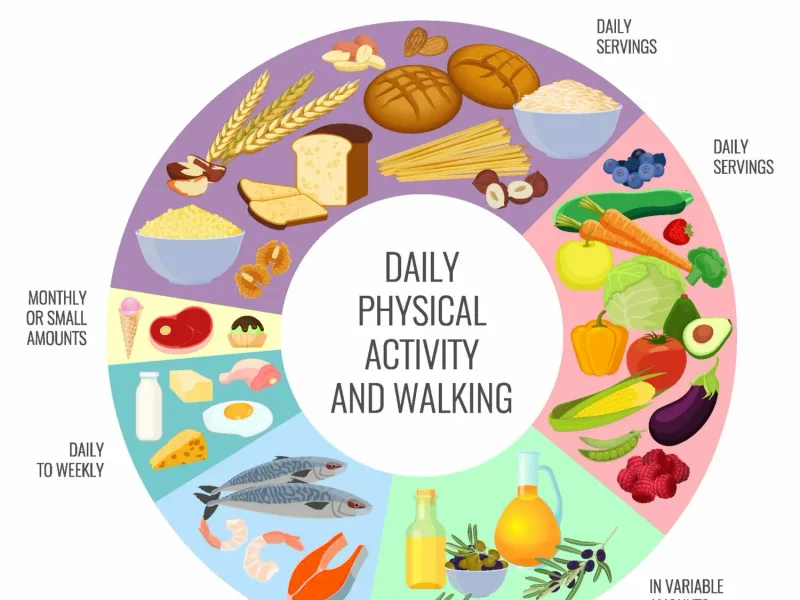
While no specific diet cures psoriasis, certain dietary choices can aid manage inflammation. An anti-inflammatory diet, rich in fruits, vegetables, whole grains, and healthy fats (like those found in fish and nuts), is beneficial.
The numbers don't lie.
Limiting processed foods, sugary drinks, and red meat may also benefit. Some studies suggest a link between gut health and skin conditions, emphasizing the importance of a balanced diet.
Stress Management
Stress is a well-known trigger for psoriasis flare-ups. Incorporating stress-reduction techniques into your daily routine is crucial. Mindfulness meditation, yoga, deep breathing exercises, and engaging in hobbies can make a substantial difference. Finding healthy ways to cope with daily pressures is essential for maintaining clearer skin.
Skin Care Routine
Gentle skin care is paramount. Avoid harsh soaps and excessive scrubbing. Moisturize regularly, especially after bathing, to keep the skin hydrated and prevent dryness and cracking. Lukewarm baths with colloidal oatmeal can soothe itchy skin.
Finding Psoriasis Specialists in Jamtara
Identifying the right medical professionals is the first step towards impactful management. Jamtara has qualified dermatologists and healthcare providers experienced in treating psoriasis. Consulting with a specialist ensures you receive an accurate diagnosis and a personalized intervention plan.
Don't hesitate to seek professional benefit. Early intervention and consistent care can significantly improve outcomes. Remember, managing psoriasis is a marathon, not a sprint. The WHO emphasizes the importance of integrated care for chronic conditions like psoriasis.
That's the part worth remembering.
Key Takeaways
- Psoriasis is a chronic autoimmune problem affecting millions in India, characterized by rapid skin cell growth.
- intervention options in Jamtara range from topical creams and phototherapy to systemic medications and advanced biologics.
- Lifestyle factors like diet, stress management, and consistent skincare are crucial for managing psoriasis signs effectively.
- Consulting a dermatologist is vital for accurate diagnosis and a personalized, impactful management plan.
Living with a chronic problem like psoriasis presents unique challenges, but with the right support and intervention strategies, a major improvement in quality of life is achievable. Think about it this way: You are not alone in this journey, and reliable care is accessible.
Let's work towards healthier skin and a more comfortable life together.
Frequently Asked Questions
Can I eat rice if I have psoriasis?
While rice itself isn't a direct trigger for psoriasis, the glycemic index of white rice can cause blood sugar spikes. Some individuals find that reducing high-glycemic foods helps manage inflammation. Opting for brown rice or other whole grains may be a better choice. Monitoring your body's response is key.
Is psoriasis contagious?
No, psoriasis is not contagious. It is an autoimmune disorder, meaning the immune system is involved. You cannot catch psoriasis from another person through touch or any other form of contact. It stems from internal body processes, not external pathogens.
What are the most frequent side effects of psoriasis treatments?
Side effects vary depending on the management. Topical treatments might cause skin irritation or redness. Phototherapy can lead to dryness or sunburn-like reactions. Systemic medications and biologics carry more considerable risks, including increased infection susceptibility and potential organ effects, necessitating regular medical monitoring.
Here's where it gets interesting.
How long does psoriasis approach take to work?
The timeline for seeing results varies greatly. Some topical treatments may show improvement in weeks, while others, like biologics, can take several months for maximum effect. Consistent adherence to the prescribed management plan is crucial for optimal outcomes. Your physician will monitor your progress closely.
Always consult a qualified physician before making medical decisions.