Understanding Radiotherapy in Giridih
Radiotherapy, a crucial component of modern oncology, is a vital pillar in managing various malignancies. Across India, including Giridih, this specialized approach plays a significant role in combating abnormal cell growth. It employs high-energy rays—such as X-rays or protons—to eliminate diseased cells or reduce tumor size. Precise application of these energy beams can notably improve patient outcomes, often used either independently or in conjunction with surgical procedures and chemotherapy. Clinicians frequently refer individuals for this modality when their disease is localized or has spread to specific regions.
What is Radiotherapy?
This clinical approach functions by damaging the DNA within abnormal cells. Such damage hinders their growth and division, ultimately leading to their demise. While healthy cells may also be affected, their inherent ability to repair themselves surpasses that of cancerous cells. Medical professionals meticulously plan these interventions to minimize harm to surrounding healthy tissues. This careful methodology ensures the procedure is both as safe and impactful as possible for those undergoing it. India is seeing an increasing number of advanced facilities offering this specialized care.
Types of Radiotherapy Available
Several forms of radiotherapy are currently utilized in clinical practice. The chosen method largely depends on the specific type of malignancy, its anatomical location, and the patient's overall health status.
- External Beam Radiotherapy (EBRT): This is the most prevalent type. An external device directs high-energy beams towards the tumor. Imagine it as a precisely aimed X-ray targeting the affected cells. Many oncological conditions, including those of the breast, prostate, and lung, benefit from this technique.
- Brachytherapy (Internal Radiotherapy): In this method, radioactive sources are positioned either inside or very close to the tumor. This may involve tiny seeds, pellets, or wires that emit ionizing energy. It permits a concentrated dose of energy to be delivered directly to the tumor, thereby reducing exposure to other bodily regions. Gynecological and prostate conditions often respond well to this approach.
- Intensity-Modulated Radiotherapy (IMRT): As a sophisticated variant of EBRT, IMRT enables physicians to precisely sculpt the energy beams. The intensity of the delivered energy can be adjusted to conform to the tumor's shape, ensuring a higher dose reaches the affected area while sparing adjacent healthy organs.
- Proton Beam Therapy: This advanced technique utilizes protons instead of X-rays. Protons release most of their energy at a specific depth before stopping, thus diminishing energy exposure to tissues beyond the tumor. Although not yet broadly accessible in all areas, its potential for reducing adverse reactions is substantial.
The Role of Radiation Oncology in Giridih
Within Giridih, the discipline of radiation oncology is expanding, with medical specialists dedicated to treating malignancies. These physicians, known as radiation oncologists, collaborate with a multidisciplinary team. This team typically includes medical oncologists, surgeons, radiologists, and physicists. Jointly, they formulate individualized management strategies. This cooperative effort ensures that every facet of a patient's care receives consideration, aiming always for the most favorable outcomes. The National Cancer Grid (NCG) in India actively promotes such integrated care models.
A patient in Giridih presenting with early-stage breast malignancy, for example, might be recommended adjuvant (post-surgery) EBRT by a radiation oncologist after consultation with a breast surgeon and medical oncologist. This intervention aims to lower the risk of recurrence in the chest wall or lymph nodes. The planning phase alone can span several days, incorporating imaging scans like CT or MRI to precisely map the targeted zone.
Patient Experience: What to Expect
Undergoing radiotherapy can initially appear daunting, but understanding the process often mitigates apprehension. Living with a serious diagnosis is genuinely challenging, and the emotional impact is acknowledged. The journey typically commences with an initial consultation with a radiation oncologist. During this meeting, they will discuss your specific diagnosis, the objectives of the intervention, and its potential advantages and adverse reactions.
The Planning Session
Following the initial consultation, a critical planning session takes place. This involves precise imaging (CT, MRI, or PET scans) to accurately locate the tumor. Specialists use this data to construct a 3D model of the target area. Immobilization devices—such as custom molds or masks—may be fashioned to ensure the patient remains perfectly still during subsequent sessions. This level of accuracy is paramount for effective tumor targeting.
Consider it akin to aiming a laser pointer precisely at a small mark without touching anything around it; the required accuracy is immense.
Delivery of Treatment
Individual radiotherapy sessions are generally brief, often lasting only a few minutes. Patients lie on a specialized table while a linear accelerator (a machine used for EBRT) delivers the energy beams. The device moves around the patient, but the energy itself is not felt. There is no sensation of discomfort during the procedure. For many, the most challenging aspect is simply attending the facility regularly.
In numerous instances, the intervention is administered five days a week for several weeks. The total duration varies based on the type and stage of the malignancy. Radiotherapy centers in Giridih strive to offer a supportive atmosphere for individuals throughout this period.
Potential Adverse Reactions
Adverse reactions are generally localized to the specific region receiving the energy. Their nature can vary depending on the dose, duration, and the particular body part being treated. Common short-term reactions include skin changes (redness, dryness, or irritation, similar to a sunburn) within the targeted area, and fatigue. Some individuals may experience nausea or digestive issues if the abdomen or pelvic region undergoes the procedure.
What does this imply for you? Open communication with your medical team is essential. They can prescribe medications and suggest strategies to effectively manage these reactions. For example, dermatologists might recommend specific creams for skin irritation. India's Ministry of Health and Family Welfare emphasizes patient education regarding the management of such reactions.
Long-Term Outcomes
Long-term outcomes are less frequent and depend on the treated area and the received dose. These might encompass changes in skin texture, scarring, or, in certain cases, an impact on fertility or organ function. Physicians diligently work to minimize these risks. The core message here is that careful planning and ongoing monitoring are integral aspects of radiation oncology. Regular follow-up appointments are crucial for tracking recovery and detecting any delayed manifestations. The Indian Council of Medical Research (ICMR) supports investigations into reducing long-term toxicity from these procedures.
Advances in Radiation Technology
The field of radiation oncology continues to evolve. Newer technologies aim to enhance the precision of interventions and mitigate adverse reactions. Image-Guided Radiotherapy (IGRT) incorporates imaging during sessions to ensure accurate targeting. Stereotactic Body Radiotherapy (SBRT) delivers highly concentrated doses of energy to small tumors over just a few sessions. These innovations are progressively becoming more accessible, representing a meaningful stride forward in providing more refined oncological care options to individuals across India, including in areas like Giridih.
Choosing a Radiotherapy Center in Giridih
Selecting an appropriate facility is paramount. Seek centers staffed with experienced radiation oncologists and equipped with well-maintained technology. Facilities affiliated with larger hospital networks or those engaged in clinical trials often provide access to the latest advancements. Patient testimonials and the center's accreditation status can also offer valuable insights. Always inquire about available support services, such as counseling and nutritional guidance. Remember, the objective is holistic care – addressing the disease while supporting the individual. AIIMS (All India Institute of Medical Sciences) establishes high benchmarks for oncological care nationwide, and local centers endeavor to meet these standards.
The Cost of Radiotherapy
Costs can fluctuate considerably based on the type of radiotherapy, the number of sessions required, and the specific facility. Government hospitals and certain charitable trusts provide subsidized procedures. Private healthcare providers may levy higher charges. It is vital to discuss estimated costs upfront with the chosen center. Many facilities offer financial counseling to assist individuals in navigating insurance claims and payment alternatives. India faces challenges in ensuring equitable access to advanced oncological interventions, but sustained efforts are underway to bridge this disparity. The Pradhan Mantri Jan Arogya Yojana (PMJAY) scheme aims to offer financial protection for hospitalizations, potentially covering some oncological procedures.
Key Takeaways
- Radiotherapy uses high-energy rays to eliminate abnormal cells, serving as a critical part of oncological care in Giridih.
- typical types include External Beam Radiotherapy (EBRT) and Brachytherapy, with advanced options like IMRT available.
- The process involves meticulous planning, precise delivery, and continuous management of potential adverse reactions.
- Selecting a reputable facility with experienced specialists is crucial for achieving optimal outcomes.
- Costs vary, and exploring financial assistance options is recommended for sufferers in India.
Frequently Asked Questions
Can I maintain a normal diet during radiotherapy?
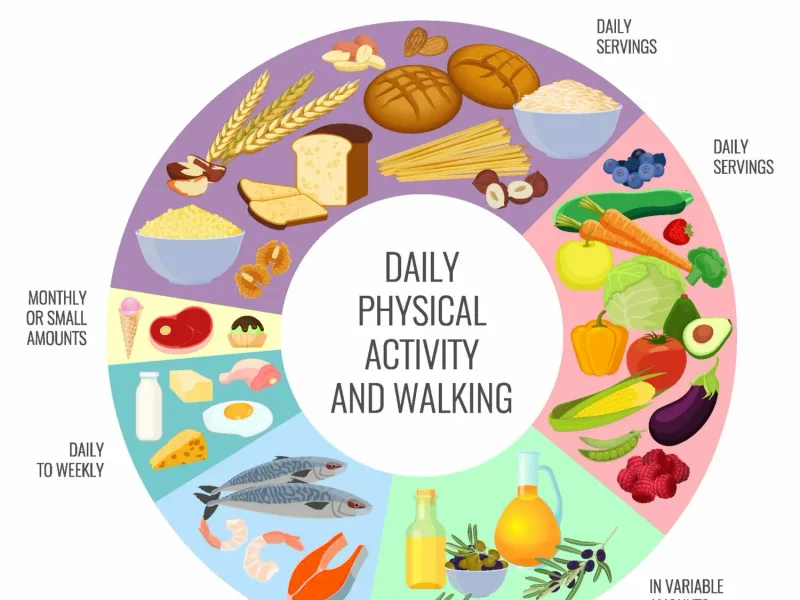
Dietary recommendations depend on the area undergoing the procedure. If your abdomen or pelvis is affected, you might experience nausea or changes in appetite. Your physician or a dietitian can provide specific advice to ensure adequate nutrition. Generally, a balanced diet rich in fruits, vegetables, and whole grains is encouraged.
Will radiotherapy make me contagious?
No, external beam radiotherapy does not render you contagious. The source of the energy is external to your body. Only brachytherapy, where radioactive sources are temporarily placed internally, necessitates specific precautions for a brief duration. Your medical team will furnish clear instructions if this applies to your situation.
How long does a course of radiotherapy take?
The duration varies significantly. A course of this intervention can span from a few days to several weeks, with daily sessions often lasting only a few minutes. The total length depends on the type of malignancy, its stage, and the specific energy delivery technique employed. Your oncologist will outline your precise schedule.
What are the chances of radiotherapy curing a malignancy?
Radiotherapy can be curative for some oncological conditions, particularly when detected early. For others, it may be utilized to control tumor growth, alleviate symptoms, or prevent recurrence after surgery.
Most people overlook this completely.
Its effectiveness is highly contingent on the type of malignancy, its stage, and individual patient characteristics. Many individuals experience marked improvements in their condition with this approach.