Understanding Radiation Therapy: A Vital Weapon Against Cancer
Radiation therapy, often called radiotherapy, is a cornerstone of modern cancer care. It uses high-energy rays, like X-rays or protons, to target and destroy cancer cells or shrink tumours. Think of it as a highly precise surgical tool, but using focused energy instead of scalpels. This approach is crucial because it can often cure cancer, control its growth, or relieve symptoms when a cure isn't possible. India has made significant strides in making advanced radiation oncology accessible, and Hazaribagh is part of this progress.
How Radiation Therapy Works
Radiotherapy damages the DNA of cancer cells, preventing them from growing, dividing, and spreading. While it also affects healthy cells, physicians employ sophisticated techniques to minimise this collateral damage. The goal is to deliver a maximum dose to the tumour while sparing surrounding healthy tissues. The body’s natural healing processes then repair the healthy cells, while the damaged cancer cells die off.
Types of Radiation Therapy
Several forms of radiation therapy exist, each suited for different cancer types and stages. The choice of approach depends on the tumour’s location, size, and type, as well as the patient's overall health.
- External Beam Radiation Therapy (EBRT): This is the most common type. A machine outside the body delivers radiation to the tumour. Advanced techniques like Intensity-Modulated Radiation Therapy (IMRT) and Volumetric Modulated Arc Therapy (VMAT) allow for highly precise targeting, conforming the radiation dose to the tumour's shape and reducing exposure to nearby healthy organs. For instance, IMRT adjusts the intensity of the radiation beam across the treatment area.
- Brachytherapy (Internal Radiation Therapy): Here, radioactive sources are placed directly inside or very close to the tumour. This delivers a high dose of radiation to the localised area. Brachytherapy can be temporary (sources removed later) or permanent (low-dose rate sources left in place). It's often used for cancers of the cervix, prostate, and breast.
- Proton Therapy: This advanced form uses protons instead of X-rays. Protons deposit most of their energy at a specific depth, offering a sharper 'turn-off' and potentially sparing more healthy tissue behind the tumour. While not yet widely available in all Indian cities, its development is ongoing.
The Radiation Therapy Process in Hazaribagh
Receiving radiation therapy involves several key steps, ensuring a personalised and safe care plan.
1. Consultation and Planning
Initially, you'll meet with a radiation oncologist, a physician specializing in radiation therapy. They will review your medical history, scans, and biopsy results. This is a vital step where all your questions will be addressed. You’ll discuss the proposed therapy plan, its potential benefits, and possible side effects. Following this, imaging scans (like CT or MRI) are performed to precisely map the tumour’s location. This mapping is crucial for accurate management delivery.
2. Simulation
During the simulation, you'll lie on a management table similar to the one used during actual therapy. The radiation therapists will take measurements and make small, temporary marks on your skin to guide the radiation beams. Sometimes, immobilisation devices like masks or molds are created to ensure you remain perfectly still during each session. This precision is key to targeting the cancer effectively.
3. therapy Delivery
Radiation sessions are typically short, lasting only a few minutes each day. You won't feel the radiation. The machine is programmed and operated by trained therapists. You’ll likely undergo care five days a week for several weeks, though the exact duration depends on your specific cancer. We often see patients find a routine during this period, making it more manageable.
4. Follow-up
After completing your care, regular follow-up appointments are scheduled. These visits allow your medical team to monitor your progress, check for any recurrence, and manage any long-term side effects. Ongoing monitoring is essential for long-term success.
Potential Side Effects and Management
Living with cancer care can be challenging, and radiation therapy can cause side effects. These are usually localised to the area being treated. widespread short-term effects include skin irritation (like sunburn), fatigue, and localised hair loss. These often improve within weeks of therapy ending.
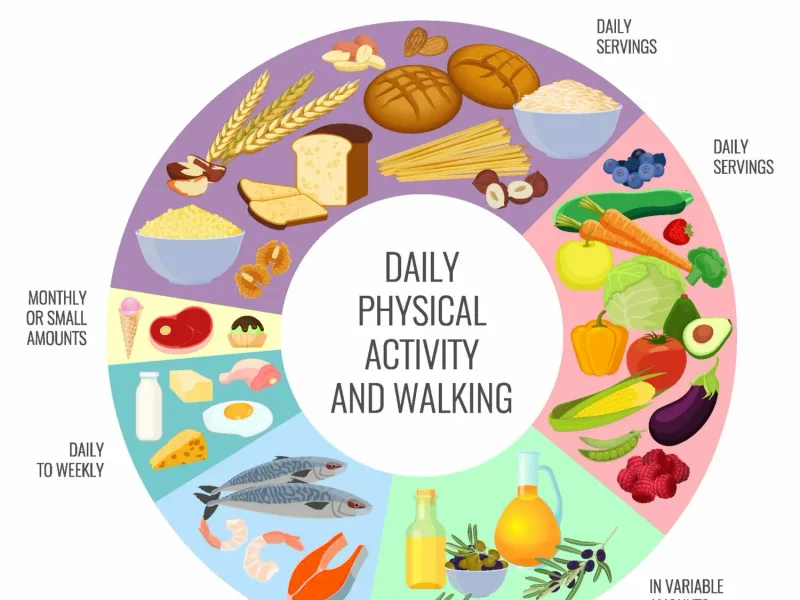
Think about it this way: just as a garden hose directed at a plant can make the surrounding soil a bit damp, radiation can affect healthy tissues near the tumour. Physicians are skilled at managing these effects. They may recommend specific skin creams, dietary changes, or medications to alleviate discomfort. Staying hydrated and getting adequate rest are also crucial. Many people find that a balanced diet, supported by their medical team, significantly helps in managing fatigue and maintaining strength. Remember, India has robust support systems available for cancer individuals, including nutritional and psychological counselling.
Finding Radiation Therapy Services in Hazaribagh
While Hazaribagh itself may have limited specialised radiation centres, access to advanced cancer therapy is improving across Jharkhand. Many residents find reliable care by travelling to larger cities like Ranchi or even metropolitan areas. However, it's essential to explore local healthcare facilities first. Some hospitals in Hazaribagh may offer diagnostic services or be affiliated with larger cancer care networks.
Here's the thing — with the rise of telemedicine and improved transport links, accessing specialised care is becoming more feasible. those affected are encouraged to consult with their local physicians or specialists in nearby larger towns. They can provide referrals to accredited cancer centres. Institutions like Apollo Hospitals, Fortis Healthcare, and Max Healthcare have facilities in major Indian cities that offer state-of-the-art radiation oncology. The National Cancer Grid of India also plays a role in standardising and improving cancer care nationwide.
The Role of Technology
Technological advancements are continuously enhancing the precision and effectiveness of radiation therapy. Innovations like image-guided radiation therapy (IGRT) allow therapists to verify tumour location immediately before each therapy session, adjusting the beam for maximum accuracy. This is vital for complex cases. WHO guidelines emphasise the importance of adopting such technologies to strengthen patient outcomes. For example, IGRT can track tumour movement due to breathing, ensuring the radiation stays focused.
But why does this happen? Technology allows us to 'see' the tumour in real-time during management, ensuring the radiation hits its mark with unprecedented accuracy. This reduces damage to healthy tissues, a key goal in modern oncology.
Patient Support and Resources
Navigating cancer management can be overwhelming. Numerous support groups and non-profit organisations exist across India to assist individuals and their families. These groups offer emotional support, practical advice, and sometimes even financial aid. Many hospitals also have dedicated patient navigators who help coordinate appointments and provide information. You'll notice that connecting with others who have gone through similar experiences can be incredibly empowering. Remember, you are not alone in this journey.
Statistics on Cancer intervention in India
Cancer is a marked public health challenge in India. According to the Indian Council of Medical Research (ICMR), cancer incidence is rising. Key statistics highlight the need for accessible and advanced care options:
- It is estimated that India will have approximately 1.57 million new cancer cases by 2025 (ICMR).
- Lung, breast, and cervical cancers are among the most widespread types affecting the Indian population.
- Early detection and timely management, including radiation therapy, significantly enhance survival rates. For example, early-stage breast cancer treated effectively has a high cure rate.
These numbers underscore the vital role of radiotherapy as a proven and impactful intervention modality. The National Health Profile report frequently highlights the growing burden of non-communicable diseases, including cancer, across the country.
Key Takeaways
- Radiation therapy uses high-energy rays to destroy cancer cells and shrink tumours.
- EBRT and brachytherapy are typical forms; advanced techniques elevate precision.
- management involves consultation, simulation, daily sessions, and follow-up care.
- Side effects are usually manageable with medical support and self-care.
- Accessing specialised radiation oncology may require travel from Hazaribagh to larger cities, but support networks exist.
Living with a cancer diagnosis is genuinely hard, but advancements in radiation therapy offer hope and improved outcomes. With dedicated medical teams and supportive resources, those affected can navigate their management journey with greater confidence. Always consult a qualified physician before making medical decisions.