Understanding Radiation Therapy in Simdega
Radiation therapy, often called radiotherapy, is a vital tool in combating cancer. It uses high-energy rays to target and destroy cancer cells or slow their growth.
In Simdega, like elsewhere in India, access to advanced cancer care, including radiation therapy, is a growing concern. This guide aims to illuminate the process, its importance, and what individuals in Simdega need to know.
The reality is, cancer treatment can be daunting. Understanding the different modalities available, such as radiation therapy, is the first step towards informed decision-making. For many people affected by cancer, radiotherapy offers a proven and impactful approach to intervention, often used alongside surgery or chemotherapy.
The Role of Radiation Therapy
Radiation therapy works by damaging the DNA of cancer cells. This damage prevents them from growing and dividing, ultimately leading to their death.
Healthy cells can also be affected, but they generally have a better capacity to repair themselves compared to cancerous cells. Physicians carefully plan the therapy to maximize the dose delivered to the tumor while minimizing exposure to surrounding healthy tissues.
This approach is crucial for several reasons. Firstly, it can be used to cure certain types of cancer when detected early. Secondly, it can help relieve symptoms caused by cancer, such as pain or bleeding, improving a person's quality of life.
That's the part worth remembering.
Finally, radiotherapy can be used after surgery to destroy any remaining cancer cells that might have been left behind, reducing the risk of the cancer returning. Is there a better way to achieve such precise cellular destruction?
Types of Radiation Therapy
There are two main types of radiation therapy:
- External Beam Radiation Therapy (EBRT): This is the most common type. A machine outside the body directs high-energy rays towards the cancerous area. Machines like linear accelerators (LINACs) are used for this purpose.
- Internal Radiation Therapy (Brachytherapy): In this method, a radioactive material is placed directly inside the body, near the tumor. This allows for a high dose of radiation to be delivered precisely to the cancer site.
The choice of therapy depends on the type, size, and location of the cancer. Specialists will consider these factors carefully when designing a therapy plan.
Radiation Therapy Accessibility in Simdega
Providing advanced medical treatments like radiation therapy in regions beyond major metropolitan centres is a significant challenge. While Simdega may not have dedicated radiation therapy centres within its immediate vicinity, residents have access to care through referral systems and partnerships with larger healthcare institutions.
India has been making strides in expanding healthcare infrastructure, with initiatives aimed at reaching Tier 2 and Tier 3 cities.
Here's the thing — accessing specialized care often involves travel. People affected by cancer in Simdega might need to travel to larger cities like Ranchi or even further afield for their management sessions. This can present logistical and financial hurdles.
The National Health Mission (NHM) and various state-level schemes aim to mitigate these costs for eligible patients. Worth knowing: The Indian government's Ayushman Bharat Pradhan Mantri Jan Arogya Yojana (AB-PMJAY) can offer financial support for cancer treatments, including radiotherapy, for beneficiaries.
It sounds simple. It rarely is.
Navigating the care Journey
A typical radiation therapy course can last anywhere from a few days to several weeks. Daily sessions are frequent, though the frequency and duration are tailored to the individual's needs. Have you ever wondered why care schedules are so specific?
Patient Experience: Many of us have heard stories from friends or family undergoing therapy. The process involves meticulous planning, including imaging scans (like CT or MRI) to map the tumor precisely. During care, sufferers lie on a table while a machine delivers radiation. The sessions themselves are usually painless and quick, typically lasting only a few minutes. However, the cumulative effects can lead to side effects.
Potential Side Effects
Side effects from radiation therapy are generally localized to the area being treated. They can include fatigue, skin irritation (redness, dryness, peeling), and soreness.
The severity and type of side effects depend on the dose of radiation, the area treated, and the individual's overall health. Physicians often prescribe medications and supportive care to manage these indicators.
Living with this is genuinely hard. The emotional toll can be as marked as the physical one. Support groups and counselling services play a crucial role in helping sufferers cope.
Many those affected find solace in sharing their experiences with others who understand their journey. Indian culture often emphasizes family support, which can be a powerful anchor during therapy.
The Importance of a Multidisciplinary Approach
Effective cancer care is rarely a solo effort. A multidisciplinary team, comprising oncologists, radiation oncologists, surgeons, pathologists, radiologists, nurses, dietitians, and social workers, works collaboratively.
This team approach ensures that all aspects of a patient's health and well-being are addressed. For instance, a patient with lung cancer might see a medical oncologist for chemotherapy, a radiation oncologist for radiotherapy, and a thoracic surgeon if surgery is required.
Most people overlook this completely.
According to the World Health Organization (WHO), cancer is a leading cause of death globally, with incidence rates rising. 3 million new cancer cases were estimated in 2020 (ICMR).
Early detection and access to appropriate therapy are vital. Radiation therapy remains a cornerstone care for many malignancies, including breast cancer, prostate cancer, head and neck cancers, and lung cancer.
Technological Advancements
Medical technology is constantly evolving, and radiation therapy is no exception. Advanced techniques like Intensity-Modulated Radiation Therapy (IMRT) and Stereotactic Body Radiation Therapy (SBRT) allow for even more precise targeting of tumors, further sparing healthy tissues.
These innovations aim to boost care efficacy while reducing side effects. While these advanced technologies might be more readily available in major cancer centres, the trend is towards wider adoption.
Cost of Radiation Therapy
The cost of radiation therapy can vary significantly based on the type of care, the number of sessions, the technology used, and the healthcare facility. In India, government hospitals and empanelled private hospitals under schemes like AB-PMJAY offer subsidized or free management for eligible people.
Most people overlook this completely.
Private cancer centres in larger cities might have higher costs, often ranging from ₹1 lakh to ₹3 lakh or more for a full course of therapy, depending on the complexity. This is a major sum for many Indian families, making insurance and government support crucial.
Key Takeaways
- Radiation therapy uses high-energy rays to destroy cancer cells.
- It is a vital care modality, often used with surgery or chemotherapy.
- Access in Simdega may require travel to larger cities; explore support schemes.
- Side effects are manageable, and a multidisciplinary team provides holistic care.
- Technological advancements continuously improve management precision and outcomes.
Frequently Asked Questions
Can I continue my regular diet during radiation therapy?
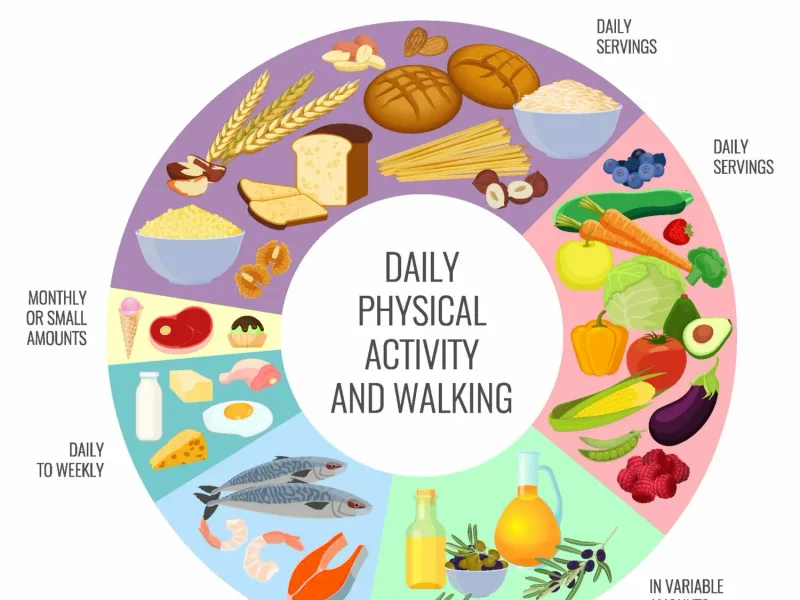
Yes, maintaining good nutrition is vital during radiation therapy. While a balanced diet is recommended, your doctor or a dietitian may suggest specific dietary modifications to assist manage side effects like nausea or appetite changes. Avoid processed foods and focus on whole grains, lean proteins, and plenty of fruits and vegetables.
How long does a typical radiation therapy session last?
External beam radiation therapy sessions are usually very brief, often lasting only 10-20 minutes. The actual delivery of radiation takes just a few minutes. However, you will need to account for time for setup and positioning by the therapy team.
Is radiation therapy painful?
The radiation therapy procedure itself is not painful. You will not feel anything during the care. Any discomfort or pain experienced is usually related to side effects of the radiation, such as skin irritation in the treated area, which can be managed with medical advice.
Here's where it gets interesting.
What is the difference between radiation therapy and chemotherapy?
Radiation therapy uses high-energy rays to kill cancer cells in a specific area of the body. Chemotherapy, on the other hand, uses drugs that travel through the bloodstream to kill cancer cells throughout the body. They are often used in combination to treat various cancers.
Always consult a qualified physician before making medical decisions.