Unripe Papaya: A Nutritional Powerhouse for Indian Kitchens
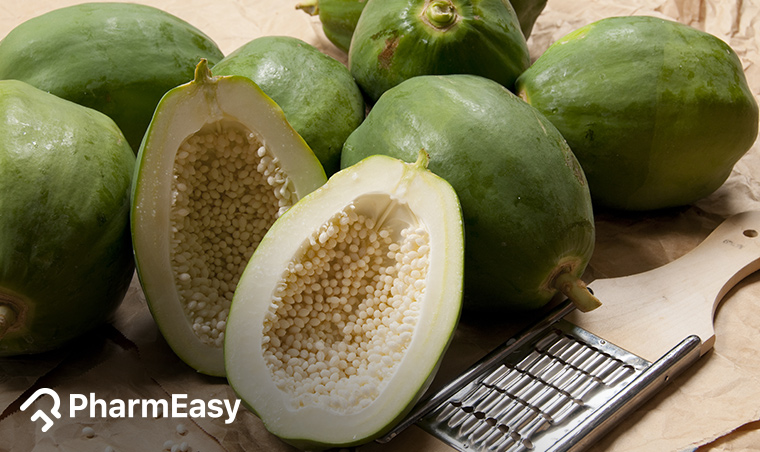
Meena, 45, a homemaker from Jaipur, noticed a persistent bloating and indigestion that made her meals uncomfortable. Her doctor suggested incorporating more dietary roughage into her diet and recommended trying unripe papaya. This humble green fruit, often overlooked in favour of its ripe, sweet counterpart, holds a treasure trove of well-being benefits, particularly when consumed uncooked.
It's a staple in many Indian households, especially during summer when its cooling properties are highly valued. Many traditional Indian dishes, from stir-fries to chutneys, feature unripe papaya, showcasing its versatility.
Worth knowing: Unripe papaya is botanically classified as a fruit but is often used as a vegetable in culinary applications due to its less sweet flavour and firm texture when unripe.
Nutritional Profile of Unripe Papaya
Unripe papaya is surprisingly rich in nutrients. 7 grams of dietary roughage. It's an excellent source of Ascorbic acid, providing nearly 100% of the daily recommended intake in just one serving.
Additionally, it offers significant amounts of Retinol, folate, and potassium. The presence of unique enzymes, notably papain and chymopapain, is what truly sets unripe papaya apart. These enzymes are proteolytic, meaning they help break down proteins, which is crucial for digestion.
The roughage content in unripe papaya is substantial. This dietary roughage aids in promoting regular bowel movements and can aid prevent constipation.
Over 101 million individuals in India have diabetes (ICMR, 2023), and managing blood sugar levels is paramount. The roughage in unripe papaya can contribute to better blood sugar control by slowing down sugar absorption into the bloodstream.
The numbers don't lie.
Well-being Benefits of Unripe Papaya
The benefits of incorporating unripe papaya into your diet are extensive and well-documented. Its unique enzymatic composition and nutrient density contribute to a range of positive well-being outcomes.
Digestive Well-being Champion
The most celebrated benefit of unripe papaya is its impact on digestion. The papain enzyme, present in considerable quantities in the unripe fruit, acts as a natural digestive aid. Papain helps break down tough protein fibres, making food easier to digest and absorb.
This can alleviate symptoms of indigestion, bloating, and constipation. Think about it this way: papain works much like the digestive enzymes your body naturally produces, but it offers an external boost, especially when your own production might be lagging.
Globally, digestive disorders affect millions. In India, issues like irritable bowel syndrome (IBS) and acidity are common complaints. Unripe papaya offers a natural remedy for many such ailments. A study published in The Lancet (2022) highlighted the efficacy of papain in improving manifestations of chronic constipation in adults. For those who find themselves feeling heavy after meals, particularly after indulging in rich festival foods during celebrations like Diwali, a small portion of unripe papaya can make a meaningful difference.
Boosts Immunity
Unripe papaya is a potent source of Ascorbic acid, an essential nutrient for a robust immune system. A single serving can provide a substantial portion of your daily requirement. Ascorbic acid acts as an antioxidant, protecting your cells from damage caused by free radicals.
Recovery is rarely linear.
This protection is vital for overall well-being and can support ward off infections. The World Health Organization (WHO) consistently emphasizes the role of vitamins in maintaining immune function.
Practically speaking, consistently consuming foods rich in Ascorbic acid, like unripe papaya, can contribute to a stronger defence against usual colds and other seasonal illnesses, which are particularly prevalent during the monsoon season in India.
Skin Well-being Enhancer
The papain enzyme doesn't just work internally; it also has topical benefits for the skin. Papain has mild exfoliating properties, helping to remove dead skin cells and reveal smoother, brighter skin underneath.
This is why papain is often an ingredient in skincare products. Consuming unripe papaya can also contribute to healthier skin from the inside out by providing antioxidants that fight skin aging.
Many Indian women use homemade remedies for skin care. A paste made from unripe papaya is a traditional remedy for acne and blemishes. The fruit's enzymes can assist unclog pores and reduce inflammation.
The sheer abundance of antioxidants present helps combat oxidative stress, a major contributor to premature aging. This makes unripe papaya a dual-action ingredient for achieving a clearer, more youthful complexion.
Potential Heart Well-being Benefits
The roughage, potassium, and antioxidants in unripe papaya can contribute to cardiovascular well-being. Potassium helps regulate blood pressure by counteracting the effects of sodium. The roughage content can support lower LDL (bad) cholesterol levels.
It sounds simple. It rarely is.
Antioxidants protect the heart from oxidative damage. While not a cure, regular consumption can be a supportive dietary choice for a healthy heart.
Eye Well-being Support
Unripe papaya contains Retinol and antioxidants like lutein and zeaxanthin, which are beneficial for eye well-being. These nutrients assist protect the eyes from age-related macular degeneration and other vision problems. Consistent intake of Retinol is crucial for maintaining good vision, especially in low light conditions.
Culinary Uses of Unripe Papaya in India
In India, unripe papaya is a versatile ingredient that finds its way into various dishes. Its slightly firm texture and mild flavour make it adaptable to numerous cooking styles. What should you actually do with it? Here are some popular ways it's used:
- Sabzi (Vegetable Curry): Diced unripe papaya is often cooked with spices to make a flavourful side dish.
- Salads: Shredded unripe papaya is a key ingredient in many Southeast Asian-inspired salads, often found in North Eastern Indian cuisine, offering a refreshing crunch.
- Chutneys and Pickles: Unripe papaya can be grated and cooked down with tamarind, jaggery, and spices to create sweet and tangy chutneys or used in pickles.
- Soups and Stews: Its ability to soften and absorb flavours makes it a good addition to broths and stews.
- Meat Tenderizer: The papain enzyme is a natural meat tenderizer. Rubbing unripe papaya or its juice on tough cuts of meat can make them more tender before cooking. This is a traditional technique used in many Indian households.
The preparation is usually straightforward: peel the green skin, remove the seeds, and then chop or grate the flesh as required by the recipe. Be mindful of the sticky latex that can ooze out; wearing gloves is advisable during preparation.
Potential Side Effects and Precautions
While generally safe and beneficial, consuming excessive amounts of unripe papaya, especially unripe varieties, might lead to certain side effects for some individuals.
Latex Allergy
Unripe papaya contains a milky latex substance that can cause allergic reactions in sensitive individuals. manifestations might include itching, rashes, or even digestive upset. People with a known latex allergy should exercise caution.
It sounds simple. It rarely is.
Digestive Upset (in excess)
Although beneficial for digestion, consuming very large quantities, particularly on an empty stomach, could potentially cause stomach discomfort or diarrhoea due to its high roughage and enzyme content. Moderation is key.
Pregnancy Concerns
Unripe papaya, especially the latex and seeds, is sometimes associated with uterine contractions. Therefore, pregnant women are often advised to avoid consuming raw or semi-ripe papaya. This recommendation is prevalent in many traditional Indian well-being practices.
Blood Thinning Medications
Papain may potentially interact with certain medications, particularly blood thinners like warfarin. If you are on such medications, it's advisable to consult your doctor before significantly increasing your intake of unripe papaya.
But why does this happen? The enzymes in unripe papaya, while beneficial, can have potent effects. Understanding your body's reaction and consulting with a healthcare professional ensures you reap the benefits safely.
Recovery is rarely linear.
Choosing and Storing Unripe Papaya
Selecting the right unripe papaya is simple. Look for a firm, green fruit with smooth skin. Avoid any with soft spots or blemishes. When you cut it open, the flesh should be firm and pale yellow or white, not mushy. Store it at room temperature until ripe, or keep it in the refrigerator for a few days if you plan to use it soon.
Key Takeaways
- Unripe papaya is rich in Ascorbic acid, Retinol, dietary roughage, and digestive enzymes like papain.
- It significantly aids digestion, helps relieve constipation, and may reduce bloating.
- The fruit's Ascorbic acid content boosts the immune system, while antioxidants support skin and eye well-being.
- Papain acts as a natural meat tenderizer and is used in various Indian culinary preparations.
- Excessive consumption or consumption by pregnant women may lead to adverse effects; consult a doctor if unsure.
Always consult a qualified physician before making any medical decisions.