Understanding and Managing Menstrual Pain
Menstrual pain, clinically termed dysmenorrhea, affects millions of women globally. This monthly discomfort, encompassing cramping, bloating, and fatigue, can significantly disrupt daily life. Understanding its origins is key to managing it effectively.
The genesis of this pain lies in uterine contractions, which are stimulated by prostaglandins. These hormone-like substances compel the uterus to contract, often resulting in notable discomfort. In India, a high prevalence of individuals experience moderate to severe dysmenorrhea, which significantly impacts their daily routines.
Key Strategies for Alleviating Discomfort
Fortunately, several well-established methods exist to help mitigate the discomfort associated with the monthly cycle. Our aim is to furnish reliable information for the management of this condition.
- Heat Therapy: Placing a heating pad or hot water bottle on the lower abdomen is a straightforward yet potent approach. The application of warmth helps to relax the contracting uterine muscles, offering substantial comfort. Research indicates that thermal applications can be as beneficial as some over-the-counter pain medications for mild to moderate discomfort.
- Over-the-Counter Pain Relievers: Nonsteroidal anti-inflammatory drugs (NSAIDs), such as ibuprofen or naproxen, frequently serve as the initial course of action. These pharmacological agents function by diminishing prostaglandin synthesis. It is imperative to adhere strictly to the prescribed dosage instructions.
- Gentle Exercise: Although it may seem counterintuitive, light physical activity can enhance blood circulation and facilitate the release of endorphins, which act as natural pain-reducing compounds. Engaging in a brisk walk or some mild yoga can yield positive outcomes.
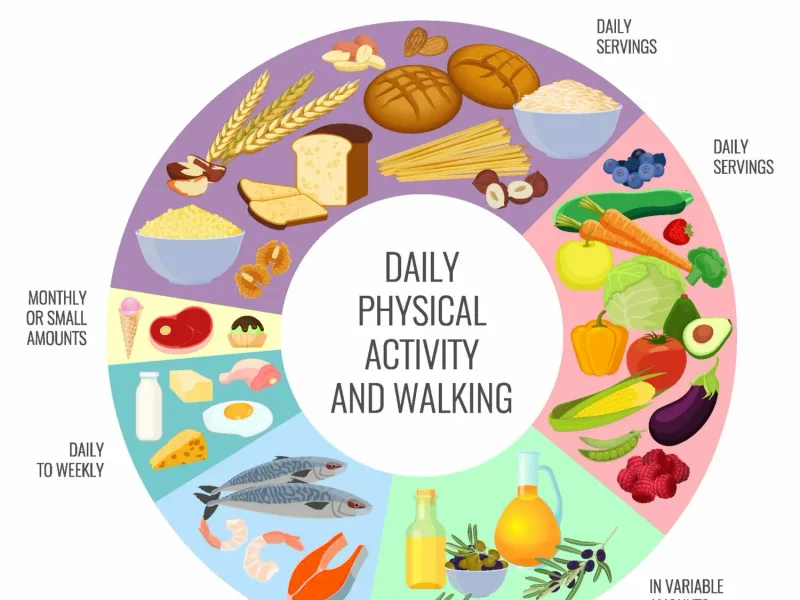
- Dietary Adjustments: Nutritional choices play a significant role in managing symptoms. Decreasing the consumption of salt, caffeine, and alcohol can enable to minimize bloating and unease. On top of that,, incorporating foods rich in magnesium, such as leafy greens and nuts, may also prove advantageous. The World Health Organization (WHO) advocates for a balanced diet to support overall well-being.
- Hydration: Maintaining adequate hydration is paramount. Consuming ample water can assist in diminishing bloating and muscle spasms. A daily intake of at least 8 glasses of water is generally recommended.
When to Seek Professional Consultation
While discomfort during menstruation is often manageable, severe or sudden onset pain necessitates a physician's evaluation. If your discomfort is incapacitating, persists longer than usual, or presents with other atypical warning signs, consulting a doctor is advisable.
It is noteworthy that specialists at institutions like AIIMS can provide advanced diagnostic and therapeutic interventions. Such clinical guidance is sometimes crucial, moving beyond mere endurance of the pain.
That's the part worth remembering.
Intense dysmenorrhea may signal underlying conditions like endometriosis or fibroids. Timely diagnosis and appropriate care from a qualified healthcare provider are essential for the proficient management of these conditions.
The Indian Council of Medical Research (ICMR) underscores the importance of prompt clinical consultation for persistent health concerns.
Lifestyle Modifications for Enduring Comfort
Implementing certain lifestyle alterations can bolster the body's resilience against discomfort associated with the monthly cycle over time. Consistent physical activity, even outside of the menstrual phase, is fundamental.
Strive for a minimum of 150 minutes of moderate-intensity aerobic exercise weekly, as suggested by international health organizations.
Techniques for stress management, including meditation or deep breathing exercises, can also exert a positive influence. Elevated stress levels are sometimes observed to exacerbate the perception of pain. Mitigating stress assists the body in functioning more optimally.
Consider integrating supplements like magnesium or omega-3 fatty acids, following a discussion with your physician. These nutrients have the potential to lessen inflammation and discomfort linked to menstruation.
Most people overlook this completely.
Clinical investigations published in journals such as The Lancet have demonstrated encouraging outcomes for these supplementary approaches.
Patient Accounts
Many individuals discover that a combination of these strategies yields the most favorable outcomes. For example, one patient recounted, “Using a heating pad and consistently taking ibuprofen significantly aided my ability to manage workdays.
” These personal narratives underscore the diverse yet successful methods available.
Frequently Asked Questions
Can I eat rice if I experience monthly discomfort?
Generally, consuming rice is permissible. As a staple food for many in India, it can be part of a balanced diet. However, emphasize moderation and consider opting for brown rice, which offers more fiber and nutrients, potentially helping to stabilize energy levels and temper inflammation.
Are warm showers beneficial for uterine cramps?
Indeed. Much like a heating pad, the warmth from a hot shower aids in relaxing tense muscles in the uterus and abdomen. This can provide considerable alleviation from cramping and unease. The calming effect of warm water can also enable diminish stress, further supporting pain management.
How quickly can one anticipate comfort from remedies for monthly discomfort?
The speed with which comfort is experienced varies based on the remedy and the individual. Straightforward methods like thermal therapy or over-the-counter analgesics often provide noticeable alleviation within 30-60 minutes.
Most people overlook this completely.
For lifestyle modifications or supplements, the advantages are typically observed over extended durations, as they strive to enhance overall bodily function and attenuate inflammation.
Always consult a qualified physician before making healthcare decisions.
Key Takeaways:
- Dysmenorrhea is prevalent, caused by prostaglandins.
- Beneficial alleviation strategies encompass heat therapy, NSAIDs, gentle exercise, and dietary modifications.
- Severe or unusual discomfort mandates prompt clinical consultation.
- Lifestyle adjustments, such as stress management and regular exercise, offer long-term advantages.
- India reports a high incidence of women experiencing discomfort during their monthly cycle.