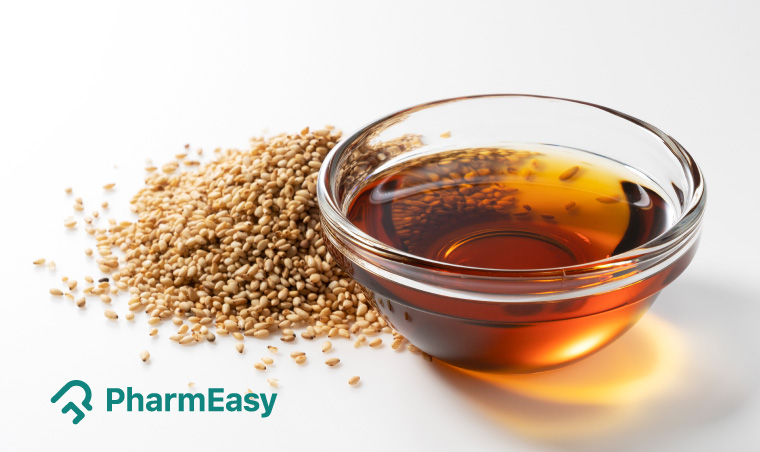
Sesame Oil: A Kitchen Staple with Profound Well-being Advantages
Meena, 45, a homemaker from Jaipur, noticed her skin becoming increasingly dry and dull, especially during the dry winter months. Her mother, a proponent of traditional remedies, suggested massaging her body with warm sesame oil. Skeptical but willing to try, Meena started this practice daily.
Within weeks, she observed a remarkable difference: her skin felt softer, more hydrated, and had a natural glow. This personal experience is not unique; for centuries, sesame oil, known as 'til ka tel' in Hindi, has been a cornerstone in Indian households, celebrated not just for its culinary applications but also for its therapeutic qualities.
Sesame oil, extracted from sesame seeds, is a culinary delight and a powerhouse of nutrients. It contains beneficial fats, vitamins, and minerals, making it a valuable addition to your diet and skincare routine. Have you ever wondered why this golden liquid is so revered across various cultures, particularly in India?
Worth knowing: The production of sesame oil involves pressing the seeds of the sesame plant (Sesamum indicum), yielding a rich, aromatic oil. India is one of the largest producers and consumers of sesame seeds and their oil, reflecting its deep-rooted presence in our traditions.
Nutritional Profile of Sesame Oil
A tablespoon (15 ml) of sesame oil is a treasure trove of essential nutrients. It typically contains around 120 calories, primarily from beneficial fats.
These fats are predominantly monounsaturated and polyunsaturated, including oleic acid and linoleic acid, which are advantageous for heart well-being. The oil also provides small amounts of saturated fat.
Most people overlook this completely.
Beyond fats, sesame oil is a good source of:
- Vitamin E: A potent antioxidant that protects cells from damage.
- Vitamin K: Crucial for bone well-being and blood clotting.
- Minerals: Including copper, manganese, calcium, magnesium, iron, and zinc, all vital for various bodily functions.
- Antioxidants: Such as sesamol and sesamin, which combat oxidative stress.
The presence of these compounds contributes significantly to the oil's well-being-promoting attributes. In many cases, the nutritional density of sesame oil makes it a superior choice over highly processed vegetable oils.
Well-being Advantages of Sesame Oil
The advantages of incorporating sesame oil into your lifestyle are extensive, ranging from improved cardiovascular well-being to enhanced skin and hair vitality.
Cardiovascular Well-being
The unsaturated fats in sesame oil play a crucial role in maintaining a sound heart. Studies suggest that these fats can help lower LDL ('bad') cholesterol levels and increase HDL ('good') cholesterol, thereby reducing the risk of heart disease.
The antioxidants present, like sesamin, also contribute by preventing the oxidation of cholesterol, a key step in the development of atherosclerosis. According to the World Health Organization (WHO), cardiovascular diseases remain the leading cause of death globally, highlighting the importance of dietary choices that support heart well-being.
Antioxidant and Anti-inflammatory Attributes
Sesame oil is rich in antioxidants, particularly sesamol and sesamin. These compounds are known for their ability to neutralize harmful free radicals in the body, which are implicated in chronic diseases and aging. Research published in journals like The Lancet has indicated that sesame oil possesses significant anti-inflammatory attributes, which can support manage conditions associated with chronic inflammation. This makes it a valuable component in diets aimed at reducing systemic inflammation.
Blood Sugar Management
For individuals managing diabetes, sesame oil might offer some advantages. Some studies indicate that the fatty acid profile and antioxidants in sesame oil could aid improve insulin sensitivity and lower blood glucose levels.
That's the part worth remembering.
While not a cure, it can be a supportive dietary element. It is worth remembering that over 101 million Indians have diabetes (ICMR, 2023), making dietary interventions increasingly important.
Bone Well-being
The presence of minerals like calcium, magnesium, and zinc in sesame oil contributes to bone well-being. Vitamin K also plays a role in bone metabolism. Regular consumption, as part of a balanced diet, can support bone density and strength, potentially reducing the chance of osteoporosis, a condition that affects millions worldwide.
Oral Well-being (Oil Pulling)
Oil pulling, an ancient Ayurvedic practice, involves swishing oil (often sesame oil) in the mouth for about 15-20 minutes. This traditional method is believed to support reduce harmful bacteria in the mouth, enhance gum well-being, and combat bad breath.
While scientific evidence is still emerging, many anecdotal reports support its efficacy. Honestly, the simplicity of this practice makes it accessible to many.
Uses of Sesame Oil
Sesame oil's versatility extends beyond the kitchen into beauty and traditional medicine.
Culinary Uses
In Indian cuisine, sesame oil is used extensively for tempering (tadka/chaunk), stir-frying, and as a base for marinades and dressings. Its nutty flavour profile enhances the taste of various dishes.
During festivals, when traditional sweets and savouries are prepared, sesame oil often finds its way into recipes, especially in certain regional cuisines. Consider its ability to withstand higher temperatures than some other oils, making it suitable for deep-frying as well.
Skin and Hair Care
As Meena discovered, sesame oil is an excellent natural moisturiser. Its emollient qualities enable hydrate the skin, enhance its texture, and provide a protective barrier against environmental damage. It is particularly beneficial for dry, itchy skin.
Recovery is rarely linear.
When applied to the scalp, it can moisturise, reduce dandruff, and promote hair growth, thanks to its rich nutrient content and potential antimicrobial qualities. Many Indian families still practice applying warm sesame oil to hair and skin, especially during colder months or after bathing.
Massage Oil
Warm sesame oil is widely used in Ayurvedic massage (Abhyanga). Its warming qualities and ability to penetrate the skin deeply make it ideal for soothing muscles, relieving joint pain, and promoting relaxation.
The practice of floor sitting, common in many Indian homes, can sometimes lead to joint stiffness, and massage with warm sesame oil can offer relief.
Potential Side Effects and Precautions
While generally safe for most people, sesame oil can cause adverse reactions in some individuals.
Allergies
Sesame allergy is becoming increasingly frequent. Individuals with a known allergy to sesame seeds are likely to be allergic to sesame oil as well. Symptoms can range from mild skin rashes to severe anaphylaxis.
It's crucial to be aware of potential allergic reactions. What should you actually do if you suspect an allergy? Stop consumption immediately and seek medical advice.
Digestive Issues
In some people, consuming large amounts of sesame oil might lead to digestive discomfort, such as bloating or diarrhoea, due to its high fat content. Moderation is key.
Drug Interactions
Sesame oil might interact with certain medications, particularly those for blood thinning or blood pressure regulation. If you are on medication, it's advisable to consult your doctor before significantly increasing your intake of sesame oil.
Here's where it gets interesting.
High Calorie Content
Due to its high calorie and fat content, excessive consumption can contribute to weight gain if not balanced with overall dietary intake and physical activity. Remember, even beneficial fats contribute calories.
Conclusion: Embracing Sesame Oil Wisely
Sesame oil is a remarkable natural product with a rich history and a wide array of advantages for well-being, skin, and hair. Its nutritional profile, coupled with its antioxidant and anti-inflammatory attributes, makes it a valuable addition to a sound lifestyle.
Whether used in cooking, for massage, or as part of a beauty regimen, sesame oil offers a natural and effective solution for many usual concerns. The International Diabetes Federation (IDF) estimates that by 2045, India could have over 135 million people living with diabetes, emphasizing the need for informed dietary choices, where traditional oils like sesame can play a supportive role.
Incorporating sesame oil into your daily routine can be a simple yet powerful way to enhance your well-being. However, as with any dietary change or natural remedy, it's essential to use it mindfully and be aware of potential side effects, especially if you have allergies or are on medication.
It sounds simple. It rarely is.
Enjoy its nutty flavour and therapeutic advantages, but always prioritize safety and consult with healthcare professionals when in doubt.
Always consult a qualified physician before making any medical decisions.
Key Takeaways
- Sesame oil is rich in beneficial monounsaturated and polyunsaturated fats, Vitamin E, Vitamin K, and essential minerals.
- It offers marked advantages for cardiovascular well-being by helping to manage cholesterol levels.
- The oil possesses potent antioxidant and anti-inflammatory attributes, thanks to compounds like sesamol and sesamin.
- Sesame oil can be used externally for skin and hair conditioning, and internally in cooking for flavour and well-being.
- Potential side effects include allergic reactions and digestive issues for sensitive individuals; consult a doctor if you have concerns or are on medication.