Understanding Calculus Extraction Procedures in the Region
For individuals residing in Katihar who suffer from the severe discomfort caused by kidney or gall bladder calculi, prompt and efficient intervention is essential. Surgical intervention provides a dependable method for addressing these conditions.
This approach focuses on eradicating these painful concretions, thereby restoring well-being and physical comfort. Indeed, the alleviation patients report following such procedures is often significant.
Various Methods for Calculus Management
Several approaches exist for extracting these mineral deposits, each customized to the specific characteristics of the calculus, including its dimensions, position, and composition. Medical professionals meticulously evaluate these elements.
Extracorporeal Shock Wave Lithotripsy (ESWL)
Extracorporeal Shock Wave Lithotripsy (ESWL), a procedure that breaks up calculi using shock waves from outside the body, employs targeted sound waves to pulverize mineral deposits into minute particles. then, these minute particles are naturally expelled from the body via the urinary system. One might visualize this process as breaking a substantial formation into smaller, manageable pieces.
That alone changes everything.
This particular non-invasive technique is frequently appropriate for smaller urinary tract formations. Its popularity stems from the fact that it necessitates only a brief recuperation period.
Percutaneous Nephrolithotomy (PCNL)
For individuals presenting with larger or more intricate calculi, Percutaneous Nephrolithotomy (PCNL) represents a highly efficacious choice. During this procedure, a small cut is created in the patient's back. then, a specialized medical device is inserted to directly extract the problematic formation.
Indeed, PCNL consistently achieves high success rates, even in complex scenarios. As a minimally invasive surgical technique, it significantly reduces the level of patient discomfort.
Laparoscopic Techniques
Laparoscopic techniques involve the use of diminutive incisions and a slender, lighted tube equipped with a camera, known as a laparoscope. Through these small access points, the operating physician employs specialized tools to extract the calculus.
Generally, laparoscopic interventions facilitate a more rapid recuperation compared to conventional open operations. individuals often resume their usual daily routines more swiftly when this methodology is utilized.
Open Operative Intervention
Although its frequency has diminished with modern medical progress, open surgical intervention persists as a viable alternative. This method necessitates a more substantial incision to directly access and extract the obstructive calculus.
This is where most those affected struggle.
Such an extensive approach may become imperative for exceptionally large or atypically positioned formations. In the majority of situations, less invasive techniques are favored.
Choosing the Right Specialist in Katihar
Identifying the appropriate urologist or operating physician is paramount for effective calculus extraction. It is advisable to seek medical practitioners who possess considerable expertise in treating urinary tract or gall bladder concretions. Experts affiliated with distinguished medical centers, such as AIIMS (whose benchmarks serve as a national standard, though their facilities are not located in this specific region), frequently hold specialized qualifications.
Verify their board certification status and review patient feedback. A competent medical professional will meticulously outline all available therapeutic alternatives.
The Patient's Path: Anticipating the Procedure
before any operative intervention, your attending physician will order a series of diagnostic assessments. These may encompass hematological analyses, urinalysis, and advanced imaging modalities such as ultrasonography or computed tomography scans.
individuals will be provided with precise directives concerning dietary intake and pharmaceutical regimens. Thorough preparation is indeed fundamental for a seamless experience.
During the Intervention
The specific anesthetic administered will be contingent upon the selected operative approach. Your healthcare team will maintain vigilant observation over you for the entire duration of the intervention. The length of time required for the procedure fluctuates according to its inherent complexity.
Post-Operative Care and Recuperation
Periods of recuperation vary considerably depending on the specific intervention undertaken. Following ESWL, those affected typically experience a brief convalescence. PCNL and laparoscopic procedures necessitate a somewhat longer period of healing, often spanning one to two weeks.
That's the part worth remembering.
Conversely, open operations mandate a more protracted period of restoration to health. proven pain control is a primary concern in the post-operative phase. Maintaining adequate hydration is also critical for expelling any residual particulate matter.
Coping with the persistent risk of calculus re-formation presents considerable challenges. Adhering to your physician's recommendations regarding nutritional habits and lifestyle adjustments can significantly reduce the likelihood of developing new concretions.
This includes ensuring copious fluid intake, comparable to the importance of daily hydration. On top of that,, prudent management of calcium consumption is vital, though always seek medical advice before making marked dietary changes.
Advanced Technology in Regional Healthcare Facilities
Medical institutions within the region are progressively integrating sophisticated technological solutions. Contemporary diagnostic apparatus and advanced operative instruments support medical professionals in their practice.
This is where most those affected struggle.
This integration facilitates both more accurate identification of conditions and the application of less intrusive therapeutic methods. Such innovations directly enhance outcomes for individuals requiring the extraction of calculi.
Financial Considerations
The financial expenditure associated with surgical interventions for calculus extraction demonstrates considerable variability. Determinants influencing this cost encompass the specific operative technique employed, the chosen healthcare facility, and the fees charged by the operating clinician.
The extent of insurance benefits can markedly influence the patient's out-of-pocket expenses. It is consistently prudent to engage in an upfront discussion regarding all potential charges with both the hospital administration and your attending doctor.
Seeking Assistance for Calculus-Related Conditions
Should you suspect the presence of calculi or be experiencing associated manifestations, it is imperative to secure medical consultation without delay. Prompt diagnostic identification and therapeutic intervention invariably result in superior patient prognoses.
That alone changes everything.
Do not defer the pursuit of medical attention; your well-being holds supreme importance.
Frequently Asked Questions
Is rice consumption advisable for individuals with renal calculi?
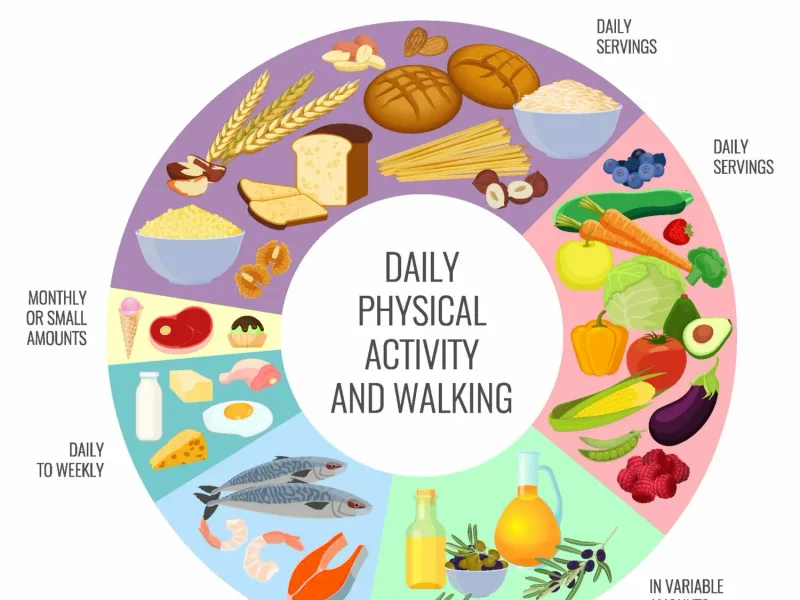
In most instances, the intake of rice is acceptable, though prudent quantities are recommended. Prioritize a well-rounded nutritional plan abundant in produce. Refrain from immoderate consumption of sodium and protein, as these dietary elements can promote the development of urinary tract concretions.
What is the typical recuperation period following a procedure for calculus extraction?
The duration of recuperation is not uniform across all interventions. Following ESWL, the period of healing is generally brief, often lasting merely one to two days.
For PCNL or laparoscopic operations, a longer restoration phase of one to two weeks may be necessary. Open operative methods typically demand a more protracted healing interval, potentially extending from four to six weeks.
Which are the primary manifestations of renal calculi?
Prominent indicators encompass intense discomfort localized in the flank and posterior region, inferior to the costal margins. Additional manifestations include unremitting pain that extends into the lower abdominal and inguinal areas, dysuria (painful urination), and alterations in the hue (pink, crimson, or brownish) or scent of the urine.
Is the operative removal of calculi an uncomfortable experience?
While a certain degree of post-procedural discomfort is anticipated, contemporary anesthetic protocols and pain control strategies make sure the intervention itself is devoid of sensation. Any discomfort experienced after the operation is efficiently addressed through prescribed pharmaceutical agents.
Here's where it gets interesting.
The profound alleviation from the distress caused by calculi typically surpasses any transient discomfort associated with the operative process.
Individuals should always seek counsel from a certified medical practitioner before making any healthcare-related determinations.