Understanding Stroke and Rehabilitation
A stroke, often called a brain attack, occurs when blood flow to a part of the brain is interrupted. This can happen due to a blockage (ischemic stroke) or a rupture (hemorrhagic stroke). The consequences can be devastating, affecting movement, speech, memory, and emotional well-being.
Honestly, living with the aftermath of a stroke is genuinely hard. However, prompt and tailored rehabilitation can significantly improve outcomes for those affected.
Stroke rehabilitation is a crucial, long-term process designed to help patients regain lost functions and adapt to any permanent changes. It’s a collaborative effort involving the patient, their family, and a dedicated team of healthcare professionals.
We often see that the journey starts soon after the patient is medically stable, typically within days of the stroke.
The Pillars of Stroke Rehabilitation
Effective stroke recovery relies on a multi-disciplinary approach. In Purba Medinipur, like elsewhere, this involves several key therapy types.
Physical Therapy (Physiotherapy)
This is often the first line of therapy. Physical therapists work on restoring strength, balance, and coordination. They benefit sufferers relearn basic movements like sitting, standing, and walking.
Exercises might include stretching tight muscles, strengthening weak ones, and practicing functional movements. What should you actually do? Focus on consistency with prescribed exercises.
You'll notice that therapists use various techniques. These can range from passive range-of-motion exercises (where the therapist moves the limb) to active exercises (where the patient moves the limb themselves). Advanced techniques like constraint-induced movement therapy (CIMT) may be employed to encourage the use of a weakened limb.
For instance, CIMT involves restraining the unaffected limb to force the use of the affected one. This approach is proven powerful in regaining motor control, as supported by various clinical studies.
That's the part worth remembering.
Occupational Therapy (OT)
Occupational therapists focus on helping individuals regain independence in daily activities (ADLs). This includes tasks like dressing, eating, bathing, and cooking. They adapt tasks and environments to suit the patient's abilities. So what does that mean for you? It means learning new ways to perform familiar tasks.
OTs might suggest adaptive equipment, such as specialized utensils or dressing aids. They also work on fine motor skills, essential for tasks like buttoning a shirt or writing. Home modifications are another vital aspect.
An occupational therapist can assess a patient’s home and recommend changes—like installing grab bars in the bathroom or rearranging furniture—to make it safer and more accessible. This practical support is vital for boosting confidence and independence.
Speech and Language Therapy (SLT)
A significant percentage of stroke survivors experience communication difficulties (aphasia) or swallowing problems (dysphagia). Speech-language pathologists (SLPs) address these challenges. They aid people enhance their ability to speak, understand language, read, and write.
That alone changes everything.
For swallowing issues, SLPs guide individuals through exercises and dietary modifications to make eating and drinking safer. This prevents complications like aspiration pneumonia, a serious risk for those with dysphagia.
What most people miss: addressing swallowing issues early is key to preventing further health complications and improving nutritional intake. The therapy involves exercises to strengthen swallowing muscles and strategies for safer eating.
Cognitive Rehabilitation
Strokes can impact cognitive functions like memory, attention, problem-solving, and executive functions. Cognitive rehabilitation aims to elevate these abilities or teach compensatory strategies. Therapists might use memory aids, organizational tools, or specific exercises designed to challenge cognitive skills.
This type of therapy is crucial for overall recovery. Enhancing cognitive function enables sufferers to better participate in other therapies and regain independence in complex daily tasks. You'll notice that improvements here can profoundly affect a patient's quality of life.
This is where most sufferers struggle.
Finding Stroke Rehabilitation Services in Purba Medinipur
Purba Medinipur, while a developing region, has a growing network of healthcare facilities offering stroke rehabilitation. Accessing these services requires understanding where to look and what to expect.
Local Hospitals and Clinics
Many district hospitals and larger private clinics in towns like Tamluk, Contai, and Haldia offer basic to intermediate levels of stroke rehabilitation. These facilities often have physiotherapy departments.
Some may also provide occupational and speech therapy, though availability can vary. It’s advisable to inquire directly about their specific services and the qualifications of their therapists.
Specialized Rehabilitation Centers
Dedicated rehabilitation centers offer a more intensive and specialized approach. While Purba Medinipur might have fewer of these compared to major metropolitan areas, exploring nearby districts or seeking recommendations from local physicians is worthwhile.
These centers are equipped with advanced therapeutic equipment and staffed by specialists trained in neuro-rehabilitation.
Home-Based Rehabilitation Programs
For individuals with mobility challenges or those preferring care at home, home-based physiotherapy and therapy services are increasingly available. A therapist visits the patient’s residence to conduct sessions.
And yet, so many people miss it.
This offers convenience and a personalized approach within a familiar environment. This can be particularly helpful in rural areas of Purba Medinipur where travel might be difficult.
Tele-Rehabilitation
With advancements in technology, tele-rehabilitation is emerging as a viable option. This involves receiving therapy and guidance remotely via video calls and online platforms.
While not a replacement for in-person therapy, it can supplement traditional care, especially for follow-up sessions or for individuals in remote locations. The Indian Council of Medical Research (ICMR) is exploring such innovative healthcare delivery models.
The Role of Family and Support Systems
Family involvement is paramount in stroke recovery. Caregivers play a vital role in supporting the patient throughout their rehabilitation journey. This includes assisting with exercises, providing emotional support, and ensuring adherence to therapy schedules.
Support groups can also be incredibly beneficial. Connecting with others who have gone through similar experiences provides emotional solace, practical tips, and a sense of community.
While formal support groups might be limited in Purba Medinipur, community networks and online forums can serve a similar purpose. Honestly, shared experiences can be a powerful motivator.
Key Considerations for impactful Rehabilitation
- Early Intervention: Starting rehabilitation as soon as possible after a stroke is vital for maximizing recovery potential.
- Individualized Care Plan: Every stroke is unique, so the rehabilitation plan must be tailored to the individual's specific needs and goals.
- Consistency and Persistence: Recovery is often a marathon, not a sprint. Consistent effort in therapy and home exercises is key.
- Setting Realistic Goals: Working with therapists to set achievable short-term and long-term goals helps maintain motivation.
- Holistic Approach: Addressing physical, cognitive, emotional, and social needs is crucial for comprehensive recovery.
What most people miss: stroke recovery doesn't end when formal therapy stops. It's a lifelong process of adaptation and continued improvement.
Maintaining a healthy lifestyle—including a balanced diet, regular exercise (as advised), and managing underlying conditions like hypertension (high blood pressure)—is crucial for preventing future strokes and supporting overall well-being.
Nutrition and Lifestyle Post-Stroke
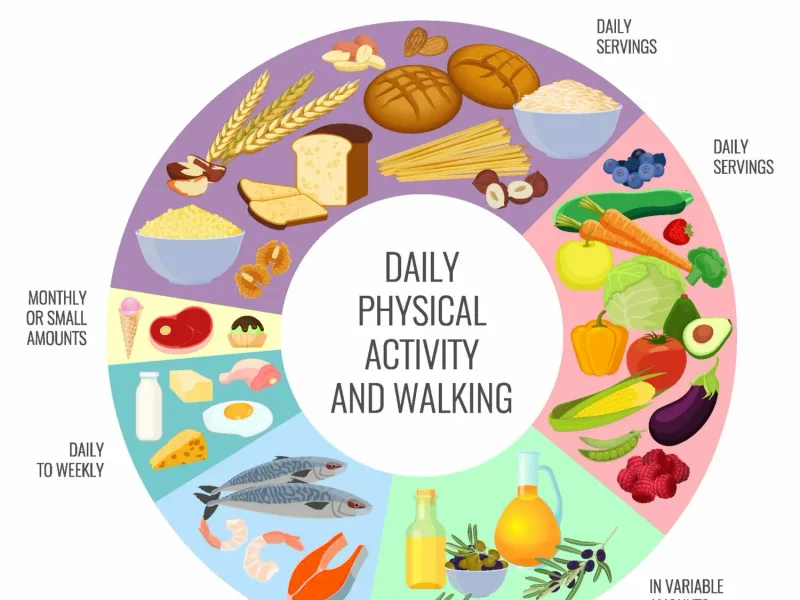
Proper nutrition plays a vital role in healing and recovery. A diet rich in fruits, vegetables, whole grains, and lean proteins supports brain health and energy levels.
For those with swallowing difficulties, texture-modified diets may be necessary, guided by a speech therapist or dietitian. Managing conditions like diabetes and high blood pressure through diet is also critical, as recommended by WHO guidelines.
It sounds simple. It rarely is.
Regular physical activity, tailored to the individual's capabilities, helps strengthen circulation, strength, and mood. Simple activities like walking or chair exercises can make a difference. Equally important is mental well-being. Stroke can lead to depression or anxiety.
Seeking psychological support or engaging in mindfulness practices can benefit manage these emotional challenges. What should you actually do? Prioritize a healthy lifestyle and seek support when needed.
Technological Advancements in Rehabilitation
Technology is increasingly playing a role in stroke rehabilitation. Innovations like virtual reality (VR) offer immersive environments for practicing skills in a safe, engaging way. Robotic therapy devices can assist with repetitive limb movements, providing consistent and precise assistance.
Wearable sensors can track progress and provide real-time feedback. These tools, often available in specialized centers, can enhance therapy effectiveness and patient motivation.
So what does that mean for you? It means that access to advanced tools, even in regions like Purba Medinipur, is becoming more feasible, potentially boosting recovery outcomes. These technologies complement traditional therapy methods, offering new avenues for regaining function.
It sounds simple. It rarely is.
Conclusion: A Journey of Hope and Resilience
Recovering from a stroke is a challenging yet achievable journey. With dedicated rehabilitation services available in Purba Medinipur—ranging from hospital-based programs to home-based care—sufferers have options to support their recovery. The key lies in early intervention, consistent effort, and a holistic approach that addresses physical, cognitive, and emotional needs.
Remember, every small step forward is a victory. Embrace the process, lean on your support system, and celebrate your progress. The resilience shown by individuals navigating this path is truly inspiring.
Frequently Asked Questions
How soon after a stroke should rehabilitation begin?
Rehabilitation should ideally begin as soon as the patient is medically stable, often within 24-48 hours of the stroke. Early intervention is crucial for maximizing recovery potential and preventing complications.
Can a stroke patient fully recover?
Full recovery varies greatly among individuals. While some regain most of their lost function, others may have residual challenges. Consistent therapy, a positive mindset, and strong support significantly influence the extent of recovery.
That's the part worth remembering.
What are the common challenges faced during stroke rehabilitation?
widespread challenges include physical impairments (weakness, balance issues), communication difficulties (aphasia), cognitive deficits (memory loss), emotional changes (depression, anxiety), and fatigue. Addressing these requires a multi-disciplinary approach and patience.
Is it possible to prevent another stroke?
Yes, lifestyle changes and medical management can significantly reduce the danger of a recurrent stroke. This includes controlling high blood pressure, managing diabetes, maintaining a healthy weight, regular exercise, a balanced diet, and avoiding smoking. Always consult a qualified physician before making medical decisions.