Understanding Stroke and the Need for Rehabilitation
A stroke, often called a brain attack, occurs when blood flow to a part of the brain is interrupted or reduced. This deprives brain tissue of oxygen and nutrients, causing brain cells to die within minutes. 8 million new cases annually (ICMR, 2022).
Practically speaking, the aftermath of a stroke can be devastating, impacting physical abilities, cognitive functions, and emotional well-being. This is precisely where stroke rehabilitation becomes vital.
Stroke rehabilitation is a crucial, multi-disciplinary process designed to help individuals regain lost function and adapt to any lasting effects of the stroke. It aims to improve a person's quality of life by restoring independence as much as possible.
What's the bottom line here? Early and consistent rehabilitation significantly boosts recovery outcomes.
The Pillars of Stroke Rehabilitation in Giridih
Effective stroke recovery requires a coordinated approach involving various specialists. In Giridih, like elsewhere, a robust rehabilitation program typically includes:
Physical Therapy (Physiotherapy)
Movement and balance are often severely affected after a stroke. Physical therapists work with patients to enhance strength, coordination, and mobility. This can involve exercises to regain walking ability, enhance balance, and reduce spasticity (muscle stiffness).
The numbers don't lie.
Many of us have seen sufferers struggle with simple tasks like standing or walking; physiotherapy directly addresses these challenges. A key focus is often on regaining functional independence, enabling people to perform daily activities with greater ease.
Occupational Therapy
Occupational therapists aid individuals relearn the skills needed for daily living. This includes tasks like dressing, eating, bathing, and cooking. They also assist with adapting the home environment and using assistive devices (like special utensils or adaptive clothing) to enhance independence.
The goal is to enable people affected to participate as fully as possible in their preferred life activities. Worth knowing: Occupational therapy is instrumental in bridging the gap between the clinic and the home.
Speech and Language Therapy
A stroke can impact communication and swallowing abilities. Speech-language pathologists (SLPs) assist individuals with aphasia (difficulty speaking or understanding language) and dysphagia (swallowing difficulties). Therapy involves exercises to enhance speech clarity, comprehension, and safe swallowing techniques.
That alone changes everything.
For those affected, regaining clear communication is vital for social interaction and overall well-being. In many cases, regaining the ability to communicate effectively is a major psychological boost.
Cognitive Rehabilitation
Brain damage from a stroke can lead to memory problems, attention deficits, and difficulties with problem-solving. Cognitive rehabilitation employs specific strategies and exercises to enhance these functions.
This therapy helps individuals develop compensatory strategies and boost their ability to focus and think clearly. The reality is, cognitive impairments can be as disabling as physical ones.
Psychological Support
Living with the aftermath of a stroke is genuinely hard. Many individuals experience depression, anxiety, or mood swings. Accessing psychological support, including counseling and support groups, is crucial for emotional healing.
Specialists assist sufferers and their families cope with the emotional toll of stroke and adapt to life changes. This aspect of care is often underestimated but is incredibly impactful.
Finding Stroke Rehabilitation Services in Giridih
Giridih, while a growing city, has a developing healthcare infrastructure. Identifying specialized stroke rehabilitation centers might require some research. However, many general hospitals and private physiotherapy clinics offer essential rehabilitation services.
Recovery is rarely linear.
Key Institutions and Facilities to Consider:
- District Hospitals: Government-run district hospitals often provide basic physiotherapy and sometimes occupational therapy services. Inquire about their post-stroke care programs.
- Private Clinics: Numerous private physiotherapy and rehabilitation clinics are emerging in Giridih. These often offer more personalized care. Look for clinics with experienced therapists specializing in neurological conditions.
- Community Health Centers: While their focus is often on primary care, some community health centers may offer basic rehabilitation guidance or referrals.
- Home-Based Care: For individuals with severe mobility issues, exploring home-based physiotherapy and occupational therapy services can be a practical solution. This brings expert care directly to the patient's doorstep, much like a familiar neighbor helping out.
When selecting a rehabilitation provider, consider the qualifications and experience of the therapists. Ask about their approach to stroke recovery and the specific therapies they offer. Ensuring a multi-disciplinary team is involved is always beneficial.
What's the bottom line here? A well-rounded team ensures all aspects of recovery are addressed.
The Role of Family and Caregivers
Family involvement is a cornerstone of successful stroke rehabilitation. Caregivers play a vital role in supporting the patient throughout their recovery journey. This includes assisting with therapy exercises at home, providing emotional encouragement, and helping the patient adapt to new routines. India has a strong tradition of family support, and this is especially crucial in healthcare scenarios like stroke recovery.
Educating caregivers about the stroke and the rehabilitation process is key. They need to understand the patient's limitations and capabilities, offering patience and consistent support. Practically speaking, a well-informed and supportive family can significantly accelerate recovery.
Diet and Lifestyle Modifications Post-Stroke
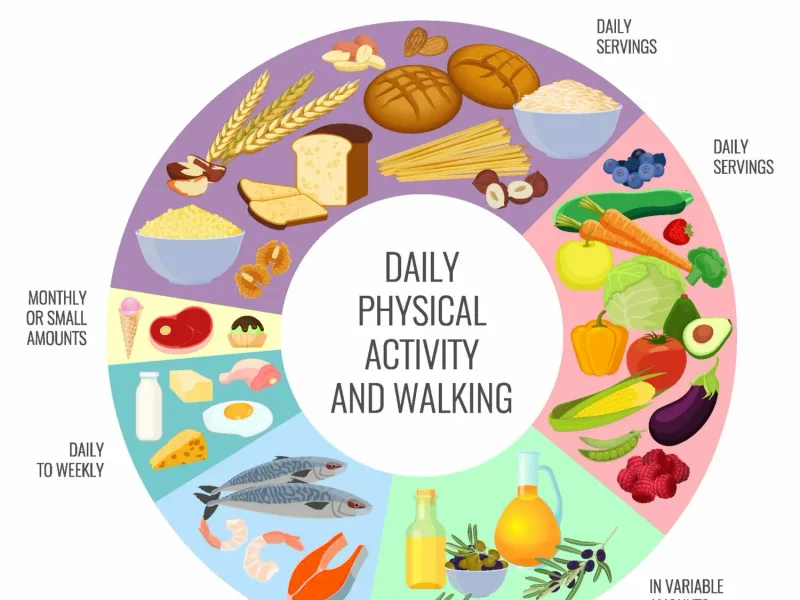
Beyond formal therapy, lifestyle makes a real difference in preventing future strokes and supporting recovery. A heart-healthy diet, regular (as tolerated) physical activity, and managing underlying conditions like hypertension (high blood pressure) and diabetes are vital.
This is where most those affected struggle.
India has a significant burden of non-communicable diseases; for example, over 77 million people live with diabetes (IDF, 2023). Managing these conditions is paramount.
Consulting with a nutritionist can enable create a personalized diet plan. Doctors often recommend diets low in saturated fats, cholesterol, and sodium. Regular monitoring of blood pressure and blood sugar levels is essential. So what does this mean for you? Proactive health management is as important as the rehabilitation itself.
Technological Advancements in Rehabilitation
While specialized tech might be limited in smaller cities, awareness of advancements is growing. Technologies like virtual reality (VR) for motor retraining, robotic therapy devices, and advanced biofeedback systems are revolutionizing stroke rehab globally. These tools can provide more engaging and intensive therapy.
As healthcare evolves in regions like Giridih, we anticipate greater access to such innovative approaches over time. This offers hope for even better outcomes for those affected.
Navigating Challenges: What to Expect
The recovery timeline varies greatly among individuals. Some people experience rapid improvement, while others have a slower, more gradual progress. Setbacks can occur, and frustration is a common emotion.
It’s vital to maintain a positive outlook and celebrate small victories. Remember, consistency is key – like tending to a plant daily for it to grow strong. The reality is, recovery is a marathon, not a sprint.
That's the part worth remembering.
Potential Challenges Include:
- Fatigue: Post-stroke fatigue is widespread and can impact daily activities.
- Emotional Changes: Depression and anxiety need professional attention.
- Functional Limitations: Adapting to permanent changes requires patience and support.
- Access to Services: Finding specialized care can sometimes be difficult.
Worth knowing: Persistence and a strong support system are your greatest allies. Don't hesitate to ask your healthcare team for enable or resources.
Key Takeaways
- Stroke rehabilitation is a vital, multi-disciplinary process essential for recovery.
- Physical, occupational, and speech therapy are core components of reliable rehab.
- Family involvement and caregiver support significantly enhance patient outcomes.
- Lifestyle modifications, including diet and managing chronic conditions, are crucial for preventing recurrence.
- Consistency and a positive mindset are key to navigating the recovery journey.
Always consult a qualified physician before making medical decisions.
Frequently Asked Questions
Can I eat rice if I have had a stroke?
For individuals recovering from a stroke, managing carbohydrate intake is vital, especially if diabetes is present. Opt for brown rice over white rice when possible, as it has more fiber and a lower glycemic index. Portion control is key, and it should be part of a balanced, heart-healthy diet.
How long does stroke rehabilitation take?
The duration of stroke rehabilitation varies greatly depending on the severity of the stroke and the individual's progress. Some recovery can happen within the first few months, but improvements can continue for years. Consistent therapy and a strong support system are crucial for maximizing long-term gains.
What are the most usual long-term effects of a stroke?
widespread long-term effects include weakness or paralysis on one side of the body, difficulty with balance and coordination, speech or language problems (aphasia), swallowing difficulties (dysphagia), and cognitive impairments like memory loss or attention deficits. Emotional changes such as depression are also frequent.
Can stroke rehabilitation support regain full function?
While the goal of rehabilitation is to restore as much function as possible, regaining *full* function depends on many factors, including the extent of brain damage and the timeliness of intervention. The focus is on maximizing independence and improving quality of life, even if some limitations remain.
That's the part worth remembering.