Understanding Functional Restoration After a Cerebrovascular Event in Sheikhpura
A cerebrovascular event, frequently termed a brain attack, occurs when the blood supply to a specific part of the brain is interrupted. This disruption can cause brain cells to perish, resulting in a variety of impairments. The path following such an event presents significant challenges, yet **functional restoration programs** offer a profound sense of optimism.
This vital process aims to help individuals reclaim lost capabilities, adapt to new circumstances, and enhance their overall quality of life. In Sheikhpura, just as in other regions, a dedicated strategy for recuperation is essential for achieving positive outcomes.
Many individuals are acquainted with someone who has experienced a brain attack. Living with the aftermath is genuinely difficult.
The sudden onset of symptoms can impact mobility, speech, memory, and emotional regulation. The reality is that overcoming this condition involves more than mere survival; it necessitates thriving afterward through a structured program meticulously tailored to each person's unique requirements.
The Critical Importance of Prompt Intervention
Initiating a structured recuperation plan as soon as a person is medically stable holds paramount importance. Early intervention, often commencing within days of the cerebrovascular event, can substantially improve functional outcomes. Physicians and specialists consistently highlight the brain's remarkable capacity for self-reorganization, a phenomenon known as neuroplasticity.
It sounds simple. It rarely is.
This implies that with targeted interventions, the brain can learn to compensate for damaged regions. What immediate actions should be taken? Seeking urgent medical attention and discussing recuperation options without delay is strongly advised.
Medical professionals frequently observe individuals who benefit immensely from swift specialized care. Their progress can, at times, be astonishing.
The initial stage focuses on stabilizing the affected individual and preventing potential complications, such as pneumonia or blood clots. Following this, a diverse team of specialists develops a personalized treatment strategy.
Key Components of an Effective Functional Restoration Program
A successful program for functional restoration necessitates the collaborative efforts of various healthcare professionals. This specialized team typically includes neurologists, physical therapists, occupational therapists, speech-language pathologists, psychologists, and social workers.
Each specialist fulfills a critical role within the overall plan.
Physical Therapy: Reinstating Movement and Mobility
Physical therapy forms a cornerstone for regaining physical capabilities. Individuals work closely with physical therapists to enhance strength, enhance balance, refine coordination, and restore mobility. Specific exercises may encompass:
And yet, so many people miss it.
- Range-of-motion routines designed to prevent joint stiffness.
- Strengthening exercises aimed at improving weakened limbs.
- Balance training to mitigate the risk of falls.
- Gait training, which helps individuals relearn how to walk.
- Instruction on the proper use of assistive devices, such as walkers or canes.
Consistency proves essential in physical therapy. Regular practice, under expert guidance, facilitates the rebuilding of neural pathways. This form of intervention is indispensable for re-establishing independence in daily activities.
Occupational Therapy: Adapting to Everyday Living
Occupational therapy (OT) primarily focuses on assisting individuals in relearning essential skills required for daily living. These include fundamental tasks such as dressing, eating, bathing, and preparing meals. Occupational therapists also play a crucial role in adapting the home environment to enhance safety and accessibility.
They might recommend modifications like installing grab bars in bathrooms or utilizing specialized eating utensils. The impact on an individual's daily routine can be profound, making OT an indispensable part of the recuperation process.
Consider a person learning to use their non-dominant hand for writing or eating; this adaptation stands as a testament to the transformative power of occupational therapy. It empowers those affected by a cerebrovascular event to live as independently as circumstances allow.
That's the part worth remembering.
Speech-Language Pathology: Recovering Communication and Swallowing Abilities
Cerebrovascular events can impair communication skills, a situation known as aphasia, and also affect swallowing, termed dysphagia. Speech-language pathologists (SLPs) deliver specialized interventions to address these particular challenges. Aphasia intervention assists individuals in retrieving words, comprehending spoken language, reading, and writing.
For dysphagia, SLPs focus on exercises and specific strategies to make swallowing both safer and less difficult. This crucial assistance is vital for maintaining proper nutrition and preventing aspiration pneumonia.
The ability to articulate one's needs and derive pleasure from meals is fundamental to overall well-being. SLPs facilitate this through dedicated, individually tailored approaches.
Cognitive and Emotional Assistance
A cerebrovascular event can also negatively influence cognitive functions, including memory, attention span, and problem-solving abilities. Psychological assistance holds equal significance. Many individuals encounter feelings of depression or anxiety after experiencing such an event.
Specialized counselors assist people navigate emotional shifts and rebuild their self-assurance. This holistic perspective ensures that both the physical and mental dimensions of recuperation receive appropriate attention.
This is where most patients struggle.
Facilities for Functional Restoration in Sheikhpura
Sheikhpura offers various avenues for functional restoration following a cerebrovascular event. These options span from hospital-based inpatient programs to outpatient clinics and home-based care services.
Individuals and their families should engage in discussions with their medical team to determine the most suitable setting. Factors such as the severity of the cerebrovascular event, the person's overall health, and available resources all influence this critical decision.
Inpatient recuperation centers deliver intensive, supervised care within a dedicated environment. Outpatient services permit individuals to reside at home while regularly attending their intervention sessions. Home-based care offers convenience, particularly for those facing mobility challenges. One thing stands out: access to highly specialized care may occasionally require travel to larger urban centers, though local provisions are steadily expanding.
We have observed remarkable progress made by individuals in dedicated recuperation centers. The structured setting and consistent guidance foster focused improvements. The key lies in identifying a facility that aligns with individual requirements and aspirations.
The Role of Family Members and Caregivers
Family involvement constitutes an essential element of the post-cerebrovascular event recuperation process. Caregivers provide indispensable emotional reassurance and practical aid.
Educating families about the cerebrovascular event and the recuperation journey empowers them to participate effectively. On top of that,, peer support groups for caregivers can offer invaluable resources and cultivate a sense of community.
That alone changes everything.
Caregivers frequently encounter their own set of challenges. Providing them with appropriate training and opportunities for respite care is fundamental.
Their personal well-being directly influences the journey of the person receiving care. This situation can be likened to tending a garden; both the plant and the gardener require nurturing to flourish.
Technological Progress in Functional Restoration
Modern functional restoration increasingly integrates advanced technology. Robotic devices, virtual reality simulations, and specialized applications aid in motor and cognitive retraining. These sophisticated tools can render interventions more engaging and reliable.
They provide novel avenues for practicing skills in a secure, regulated setting. AIIMS (All India Institute of Medical Sciences) and other prominent institutions are actively researching these innovations.
For example, virtual reality can simulate real-world environments, allowing individuals to practice navigating their surroundings. This technology also furnishes objective data on progress, assisting clinicians in refining individualized approach plans. It is an exciting period for neurological functional improvement.
This is where most people struggle.
Dietary and Lifestyle Adjustments Post-Cerebrovascular Event
Beyond structured interventions, modifications to one's lifestyle are critically important. Adopting a healthy diet, engaging in regular physical activity (as advised by medical professionals), and abstaining from smoking can prevent future cerebrovascular events and support the healing process.
Diligent management of conditions such as hypertension (elevated blood pressure) and diabetes is paramount. The World Health Organization (WHO) guidelines emphasize heart-healthy eating habits and consistent physical movement.
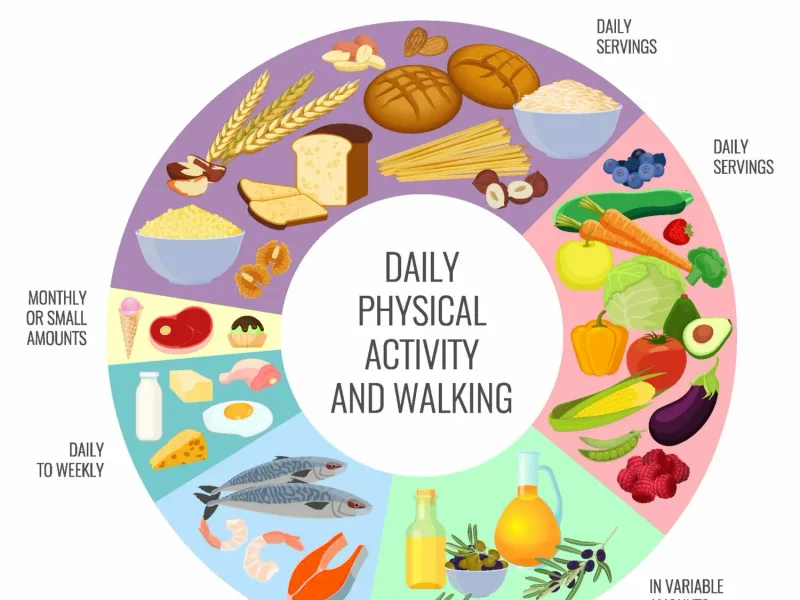
Consuming a balanced diet rich in fruits, vegetables, and whole grains assists the body's natural recuperation. Limiting sodium intake and unhealthy fats is also recommended. These adjustments are not solely about healing; they are about constructing a healthier future.
Long-Term Functional Improvement and Optimism
Functional restoration after a cerebrovascular event is often a protracted process. Progress may unfold gradually, accompanied by periods of stagnation and occasional setbacks. Patience, unwavering persistence, and a positive outlook are absolutely essential.
That alone changes everything.
Acknowledging small achievements along the way can enable sustain motivation. The journey demands dedication from the individual, their family, and the entire healthcare team.
It is key to remember that improvements do not cease when formal interventions conclude. Many individuals continue to enhance their abilities through ongoing practice and sustained lifestyle modifications.
The Indian Council of Medical Research (ICMR) supports investigations into long-term outcomes following cerebrovascular events. The Lancet has published numerous studies underscoring the significance of sustained efforts in functional restoration.
We have borne witness to incredible resilience among those affected by a cerebrovascular event. Their determination to regain independence is truly inspiring. With the appropriate assistance and unwavering commitment, leading a fulfilling life after such an event is undeniably attainable.
Frequently Asked Questions
What is the typical duration of functional restoration after a cerebrovascular event?
The length of functional restoration varies considerably, contingent upon the severity of the cerebrovascular event and the individual's rate of progress. While considerable improvement often occurs within the initial few months, further enhancements can continue for several years.
Recovery is rarely linear.
Consistency and dedication prove more influential than adherence to a fixed timeframe.
Is full functional improvement possible for someone who has experienced a cerebrovascular event?
Complete functional improvement is achievable for some individuals, whereas others may experience residual impairments. The primary objective of functional restoration is to maximize functional capabilities and promote independence. Even in the presence of lasting challenges, substantial improvements in quality of life are frequently realized.
What indicators suggest a potential recurrent cerebrovascular event?
The sudden onset of numbness or weakness, confusion, difficulty speaking or understanding, vision disturbances, dizziness, or an intense headache are critical indicators. Should you or someone else experience these manifestations, contact emergency services immediately. Prompt medical intervention is vital.
Always consult a qualified medical professional before making healthcare decisions.