Understanding Stroke Rehabilitation in Saraikela Kharsawan
A stroke, a sudden interruption of blood flow to the brain, can profoundly alter an individual's life. In Saraikela Kharsawan, as across India, recovering from a stroke involves a dedicated and often challenging journey.
This process, known as stroke rehabilitation, is crucial for regaining lost functions and enhancing the quality of life for those affected. We often see that early and consistent rehabilitation significantly boosts recovery outcomes.
Is there a better way to navigate this complex phase? Understanding the available resources and the principles of rehabilitation in your local area is the first vital step.
The goal is to help the brain rewire itself, a process called neuroplasticity, enabling it to compensate for damaged areas. This approach is supported by global health organizations like the World Health Organization (WHO), which emphasizes the importance of post-stroke care.
The Critical Role of Early Intervention
Following a stroke, the initial hours and days are paramount. Swift medical attention at facilities like the Sadar Hospital in Saraikela is vital to minimize brain damage. However, the work doesn't end there. Stroke rehabilitation should ideally commence as soon as the patient is medically stable, often within days of the event.
And yet, so many people miss it.
This early initiation helps prevent complications such as muscle stiffness (contractures) and secondary health issues. In many cases, prompt therapy can prevent long-term disability. The Indian Council of Medical Research (ICMR) highlights that timely intervention is key to improving survival rates and functional recovery.
What Happens During Stroke Rehabilitation?
Rehabilitation is a highly personalized approach. It involves a multidisciplinary team of specialists working collaboratively. This team typically includes neurologists, physiotherapists, occupational therapists, speech-language pathologists, and psychologists.
They assess the specific deficits caused by the stroke and tailor a therapy plan accordingly. The aim is to aid patients regain as much independence as possible in their daily activities.
What's the bottom line here? A coordinated effort maximizes recovery potential.
Key Components of Stroke Rehabilitation
Physiotherapy
Physiotherapy is fundamental in restoring physical function. It focuses on improving strength, balance, coordination, and mobility. Therapists use exercises, stretching, and sometimes specialized equipment to support people relearn movements.
For individuals in Saraikela Kharsawan, local physiotherapy clinics and hospital-based rehabilitation departments offer these crucial services. For instance, regaining the ability to walk or use an affected arm can dramatically improve independence.
Recovery is rarely linear.
Exercises might include:
- Range-of-motion exercises to prevent stiffness.
- Strengthening exercises for weak muscles.
- Balance training to prevent falls.
- Gait training to optimise walking patterns.
According to the American Heart Association (AHA), intensive physiotherapy early on is associated with better functional outcomes.
Occupational Therapy
Occupational therapy (OT) is vital for regaining the ability to perform daily tasks. This includes activities like dressing, eating, bathing, and household chores.
OTs support sufferers adapt their environment and develop strategies to manage with any remaining physical or cognitive challenges. They might suggest assistive devices or modify the home environment for safety and ease of use.
You'll notice that occupational therapists focus on practical skills needed for everyday living. This could involve learning to use adaptive utensils or developing new ways to button a shirt. The objective is to enable people affected by stroke to live as independently as possible within their community.
Speech and Language Therapy
Many stroke survivors experience difficulties with communication (aphasia) or swallowing (dysphagia). Speech-language pathologists (SLPs) play a crucial role in addressing these issues. They work on improving verbal expression, understanding spoken language, and safe swallowing techniques.
Living with communication challenges is genuinely hard. SLPs employ various techniques, including exercises and compensatory strategies, to benefit sufferers communicate their needs and enjoy meals safely. This therapy is often overlooked but is vital for social interaction and nutritional well-being.
That's the part worth remembering.
Cognitive Rehabilitation
Strokes can also impact cognitive functions like memory, attention, problem-solving, and executive functions. Cognitive rehabilitation aims to strengthen these abilities through targeted exercises and strategies. Specialists support people develop coping mechanisms for any persistent cognitive impairments.
Honestly, cognitive recovery is as important as physical recovery for overall well-being. It enables individuals to return to meaningful activities and manage their lives effectively.
Finding Stroke Rehabilitation Services in Saraikela Kharsawan
Navigating healthcare options can be daunting. For residents of Saraikela Kharsawan, several avenues exist for accessing stroke rehabilitation services. The primary starting point is often your referring physician or neurologist. They can provide referrals to specialized rehabilitation centers or therapists within the region.
Local hospitals, including government facilities like Sadar Hospital and potentially private nursing homes, may offer inpatient or outpatient rehabilitation programs. Additionally, private physiotherapy and occupational therapy clinics are increasingly available, providing more localized care.
It's advisable to inquire about the qualifications and experience of the therapists, ensuring they specialize in neurological rehabilitation.
Worth knowing: Many of these clinics are adopting evidence-based practices aligned with international standards to ensure the best possible outcomes for individuals.
The Role of Family and Caregivers
Family support is an indispensable element of stroke recovery. Caregivers play a vital role in motivating the patient, assisting with therapy exercises at home, and ensuring adherence to the treatment plan.
It sounds simple. It rarely is.
Education for caregivers is therefore a key component of many rehabilitation programs. Understanding the patient's condition and how to provide appropriate support can significantly accelerate the recovery process.
As per studies, strong family involvement correlates with improved patient adherence to rehabilitation protocols and better long-term functional status. This support system acts as a bedrock for the patient's journey back to normalcy.
Technological Advancements in Rehabilitation
Technology is increasingly enhancing stroke rehabilitation. In India, centers are beginning to incorporate advanced tools. These can include:
- Robotic therapy: Assists in repetitive, high-precision movements for limb rehabilitation.
- Virtual Reality (VR): Creates immersive environments for engaging and motivating therapy sessions.
- Biofeedback devices: assist people gain conscious control over physiological processes.
These innovations offer new possibilities for intensive and engaging therapy, potentially leading to faster and more complete recoveries. While access may vary in Saraikela Kharsawan, awareness of these advancements is growing.
Diet and Lifestyle Post-Stroke
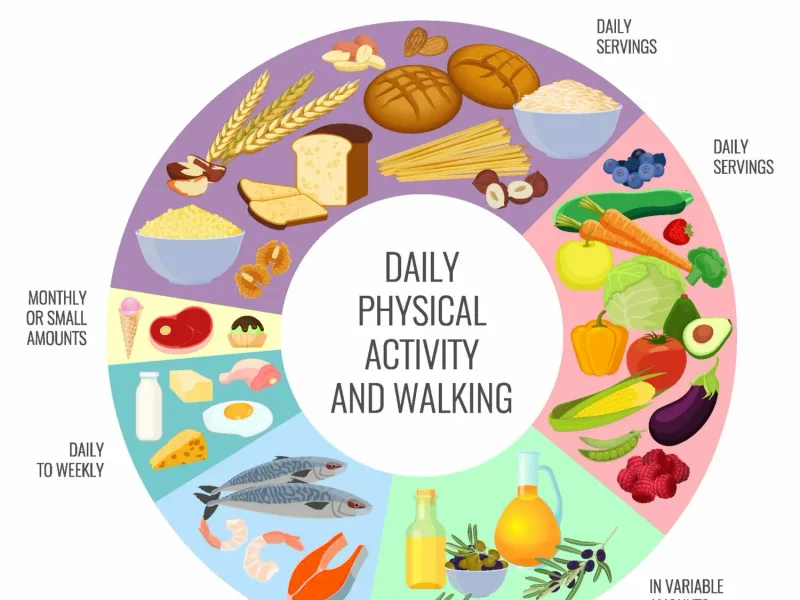
Complementing rehabilitation efforts, a healthy lifestyle is crucial. A balanced diet, rich in fruits, vegetables, and whole grains, supports brain health and overall recovery.
Managing risk factors like hypertension (high blood pressure) and diabetes is also vital. India faces a significant burden of these conditions, with approximately 77 million adults living with diabetes (IDF, 2023) and a high prevalence of hypertension.
The numbers don't lie.
Regular physical activity, as advised by your physician, and adequate rest are also key. Avoiding smoking and limiting alcohol intake further contribute to a healthier recovery trajectory. Small, consistent changes can yield substantial benefits over time.
Emotional and Psychological Support
The emotional toll of a stroke cannot be overstated. Depression, anxiety, and frustration are common among survivors.
Accessing psychological support, through counseling or support groups, is an essential part of holistic rehabilitation. Recognizing and addressing these emotional challenges enables individuals to cope better and engage more fully in their recovery.
Many of us have witnessed the profound impact of mental well-being on physical recovery. Support networks, whether professional or peer-based, provide a safe space to share experiences and coping strategies.
Key Takeaways
- Stroke rehabilitation should begin as soon as medically stable to maximize recovery potential.
- A multidisciplinary team, including physiotherapists, OTs, and SLPs, provides personalized care.
- Active participation of sufferers and strong caregiver support are vital for successful outcomes.
- Lifestyle modifications, including diet and managing danger factors, are crucial post-stroke.
- Emotional well-being is as key as physical recovery; seek psychological support when needed.
Embarking on the path to recovery after a stroke requires courage, patience, and the right support system. In Saraikela Kharsawan, dedicated professionals are available to assist you or your loved ones in navigating this journey.
Here's where it gets interesting.
Remember, every step forward, no matter how small, is progress. Embrace the process, celebrate milestones, and never lose hope for a brighter, more independent future.
Frequently Asked Questions
What are the main goals of stroke rehabilitation?
The primary goals are to restore lost physical and cognitive functions, elevate independence in daily activities, and enhance the overall quality of life. Rehabilitation also focuses on preventing complications and reducing the chance of future strokes.
How long does stroke rehabilitation typically last?
The duration varies greatly depending on the stroke's severity and the individual's progress. It can range from a few weeks to many months, or even years. An intensive phase often occurs in the first few months post-stroke, followed by ongoing maintenance therapy.
Can a stroke patient fully recover?
Full recovery is possible for some, but it depends on many factors, including the extent of brain damage and the intensity of rehabilitation. Many individuals achieve notable functional improvements, enabling them to lead fulfilling lives, even if some deficits remain.
What is neuroplasticity in stroke recovery?
Neuroplasticity is the brain's remarkable ability to reorganize itself by forming new neural connections throughout life. In stroke rehabilitation, it's the key mechanism that allows undamaged brain areas to take over the functions of damaged ones, facilitating recovery and adaptation.
Here's where it gets interesting.
Always consult a qualified physician before making medical decisions.