Understanding Diabetes: The Basics
Diabetes mellitus is a chronic health condition affecting how your body converts food into energy. Most of the food we eat is broken down into sugar (glucose) and released into our bloodstream. When your blood sugar goes up, it signals your pancreas to release insulin.
Insulin is a hormone that acts like a key, letting the blood sugar into your body’s cells for use as energy. Many people develop diabetes because their body is resistant to insulin or doesn't make enough insulin. This issue, if left unmanaged, can lead to serious health problems over time.
In Bankura, like elsewhere, diabetes is a growing concern. We often see individuals struggling with managing their blood glucose levels. The reality is, uncontrolled high blood sugar can damage nerves, eyes, kidneys, and blood vessels. How serious is this really? The long-term effects can significantly impact quality of life and lifespan.
Types of Diabetes
Type 1 Diabetes
Type 1 diabetes is an autoimmune issue. Here, the body's immune system mistakenly attacks and destroys insulin-producing beta cells in the pancreas. People with Type 1 diabetes need to take insulin daily to survive.
This is where most patients struggle.
This form typically develops in children and young adults, though it can occur at any age. Consistent monitoring and insulin therapy are vital.
Type 2 Diabetes
Type 2 diabetes is the most common form, accounting for about 90-95% of all cases. In this type, the body either doesn't produce enough insulin or resists it. Factors like genetics, obesity, inactivity, and age play crucial roles. Think about it this way: your body's cells aren't responding well to the insulin key, so sugar stays in the blood.
Gestational Diabetes
Gestational diabetes develops during pregnancy in some women. It usually disappears after the baby is born. However, it increases the risk for both mother and child to develop Type 2 diabetes later in life. Regular screening during prenatal check-ups is essential.
Symptoms and Diagnosis in Bankura
Recognizing the signs is the first step towards effective management. frequent indicators include:
- Increased thirst
- Frequent urination
- Unexplained weight loss
- Increased hunger
- Fatigue or extreme tiredness
- Blurred vision
- Slow-healing sores
- Frequent infections
If you notice these signs, it is vital to seek medical attention promptly. Doctors in Bankura use several tests to diagnose diabetes. The most prevalent are:
- HbA1c Test: This measures your average blood sugar level over the past 2-3 months. It's a key indicator of long-term glucose control.
- Fasting Plasma Glucose (FPG) Test: This measures your blood sugar after an overnight fast.
- Oral Glucose Tolerance Test (OGTT): This measures your blood sugar before and two hours after drinking a sugary liquid.
Accurate diagnosis by a qualified physician is crucial for initiating the right treatment plan. Early detection enables better outcomes.
Diabetes Management: A Holistic Approach
Managing diabetes effectively requires a multi-pronged strategy. It’s not just about medication; lifestyle changes are equally important. In real-world terms, it means making conscious choices daily. Living with diabetes is genuinely hard, but with the right support, it is manageable.
Dietary Adjustments
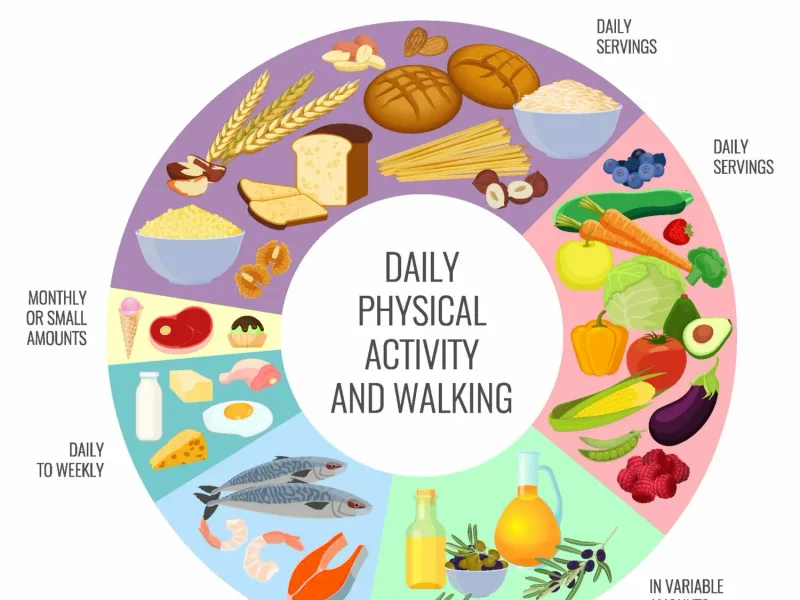
A balanced diet is foundational for blood sugar control. Focus on whole grains, lean proteins, plenty of vegetables, and fruits. Limit intake of sugary drinks, processed foods, and refined carbohydrates.
That's the part worth remembering.
Specialists often recommend a plate method: half non-starchy vegetables, a quarter lean protein, and a quarter whole grains or starchy vegetables. Understanding portion sizes is key.
For people in Bankura, incorporating local healthy options like millets (bajra, jowar), lentils (dal), and seasonal vegetables can be very beneficial. Avoiding excessive sweets and fried snacks, which are typical in street food, is also crucial. Is there a better way? Yes, making informed food choices.
Regular Physical Activity
Physical activity helps your body use insulin more effectively and lowers blood sugar levels. Aim for at least 150 minutes of moderate-intensity aerobic exercise per week, like brisk walking, cycling, or swimming.
Strength training exercises (like lifting weights or resistance bands) are also recommended at least two days a week. Always consult your doctor before starting a new exercise regimen.
Even simple activities like walking after meals can make a significant difference. Many of us have found that incorporating short walks throughout the day helps manage energy levels and mood.
Medication and Insulin Therapy
Depending on the type and severity of diabetes, physicians may prescribe oral medications or insulin injections. Oral medications work in various ways, such as increasing insulin sensitivity or reducing glucose production by the liver. Insulin therapy replaces or supplements the body's natural insulin.
The choice of therapy depends on individual needs and medical history. Strict adherence to prescribed regimens is vital.
AIIMS (All India Institute of Medical Sciences) and other leading institutions emphasize personalized medication plans. For instance, some people might benefit from Metformin (a frequent oral drug), while others may require insulin analogs for tighter glucose control.
That alone changes everything.
The goal is always to achieve target blood glucose levels as recommended by WHO guidelines.
Monitoring Blood Glucose
Regularly monitoring your blood glucose levels at home using a glucometer is essential. This data helps you and your doctor understand how diet, exercise, and medication affect your sugar levels. It enables timely adjustments to your care plan. Keeping a log of your readings is highly recommended.
The reality is, consistent self-monitoring empowers individuals to take active control of their health. Understanding your body's response is a powerful tool.
Specialists and Clinics in Bankura
Bankura offers a range of healthcare facilities and specialists dedicated to diabetes care. These include:
- General Physicians: Your first point of contact for initial diagnosis and management of Type 2 diabetes.
- Endocrinologists: These are specialists who focus on hormone-related disorders, including diabetes. They manage complex cases and Type 1 diabetes.
- Diabetologists: Physicians with specialized training and certification in diabetes management.
- Dietitians/Nutritionists: Professionals who help create personalized meal plans.
- Diabetes Educators: They provide crucial education on self-management techniques.
Look for clinics that offer integrated care, combining medical expertise with lifestyle support. Institutions like the Bankura Sammilani Medical College and Hospital often have dedicated departments or OPDs (Outpatient Departments) for endocrine and metabolic disorders.
Several private clinics and hospitals also provide reliable diabetes care services across the district.
Preventive Measures and Lifestyle Tips
Preventing Type 2 diabetes or managing existing diabetes often involves adopting a healthy lifestyle. This includes maintaining a healthy weight, engaging in regular physical activity, eating a balanced diet, and avoiding smoking. Honestly, small, consistent changes can yield meaningful long-term benefits.
How serious is this really? Preventing complications saves lives and improves well-being.
Think about it this way: your body is your temple. Taking care of it through healthy habits is the most reliable way to ensure a longer, healthier life. Regular health check-ups are vital for early detection and intervention.
That's the part worth remembering.
Advanced Therapies and Future Outlook
While lifestyle changes and oral medications are the cornerstone of diabetes management, advanced therapies are also available. These include newer classes of medications that offer improved efficacy and safety profiles, such as SGLT2 inhibitors and GLP-1 receptor agonists.
For Type 1 diabetes, continuous glucose monitoring (CGM) systems and insulin pumps provide more sophisticated control.
The ICMR (Indian Council of Medical Research) continually updates guidelines based on global research. The future of diabetes care involves personalized medicine, leveraging genetic information and advanced monitoring technologies to tailor therapy for each individual.
Innovations in stem cell therapy and artificial pancreas technology hold promise for the future, aiming to offer potentially curative options.
The key is to stay informed and work closely with your healthcare team. They can guide you on the latest advancements relevant to your specific situation. Always consult a qualified physician before making medical decisions.