Understanding Glycemic Disorders and Their Management in Bettiah
A chronic condition impacting millions across India, this metabolic disorder is frequently known as 'sugar bimari' or 'madhumeha'. In Bettiah, as in other places, effective management of this illness demands a proactive strategy.
It represents a continuous journey, necessitating consistent commitment from both individuals and their medical teams. Many patients frequently contend with fluctuating glucose concentrations, yet comprehending the appropriate methods can profoundly alter their health outcomes.
powerful management extends beyond mere medication; it encompasses a holistic adjustment of one's daily habits. This guide aims to provide clarity on 'sugar ka ilaj' (treatment for this metabolic disorder) available in Bettiah, emphasizing expert medical oversight, personal routine modifications, and the significance of regular health evaluations.
What is a Glycemic Disorder?
Glycemic disorder, or mellitus, is a metabolic situation characterized by elevated glucose levels in the bloodstream over an extended period. This occurs either because the pancreas fails to produce sufficient amounts of the hormone or because the body's cells do not adequately respond to the hormone it generates.
Most people overlook this completely.
The hormone, a crucial substance, enables glucose from the circulatory system to enter cells for energy production.
Two primary categories exist:
- Type 1 of the situation: An autoimmune ailment where the body's immune system mistakenly targets and eradicates the beta cells in the pancreas responsible for producing the hormone. It typically manifests during childhood or early adulthood.
- Type 2 of the situation: The more prevalent form, where the body develops resistance to the hormone or does not generate enough to sustain normal glucose levels. This often correlates with daily habits and genetic predispositions.
Gestational forms of the disorder can also develop during pregnancy. Identifying the specific type constitutes the initial, critical step in impactful therapeutic intervention.
Indicators and Manifestations of Glycemic Imbalance
Recognizing the early signs is crucial for timely intervention. Common indicators and manifestations include:
- Increased thirst (polydipsia)
- Frequent urination (polyuria)
- Unexplained reduction in body mass
- Heightened hunger (polyphagia)
- Persistent fatigue and tiredness
- Blurred vision
- Slow-healing wounds
- Recurrent infections
Individuals with Type 2 of the issue may often experience mild manifestations that remain unnoticed for years. Therefore, regular health screenings are essential, particularly for those with a family history of this metabolic disorder or other predisposing factors.
Expert Glycemic Care in Bettiah
Securing appropriate medical assistance is paramount for proven management of this issue. Bettiah offers access to qualified physicians and specialists capable of guiding individuals through their therapeutic regimens.
General Physicians and Glycemic Specialists
A primary care physician often serves as the initial point of contact. They can diagnose the problem, manage routine cases, and provide referrals to a specialist when necessary.
Glycemic specialists, who possess expertise in managing this disorder, offer advanced diagnostic and intervention strategies. They are proficient in handling complex cases and associated complications.
Endocrinologists
Endocrinologists are medical professionals specializing in hormones and the glands that produce them. Given that this metabolic concern is a hormonal imbalance, endocrinologists play a pivotal role, especially in Type 1 cases and challenging Type 2 presentations. They assist in refining hormone therapy and managing other endocrine dysfunctions.
Specialized Healthcare Facilities and Clinics
This region features several healthcare institutions, including hospitals and specialized clinics, equipped to deliver care for this disorder. These establishments frequently house multidisciplinary teams comprising doctors, dietitians, and educators specializing in glycemic health.
And yet, so many people miss it.
Such teams collaborate to deliver comprehensive care. The Indian Council of Medical Research (ICMR) underscores the significance of these integrated care models.
Therapeutic Approaches for Glycemic Imbalance ('Sugar Ka Ilaj')
The objective of managing this problem is to maintain glucose levels within a target range, thereby preventing both short-term and long-term health complications. The approach varies based on the type of the disorder, individual health status, and daily habits.
Personal Routine Adjustments: The Foundation
This element is arguably the most influential aspect of 'sugar ka ilaj'.
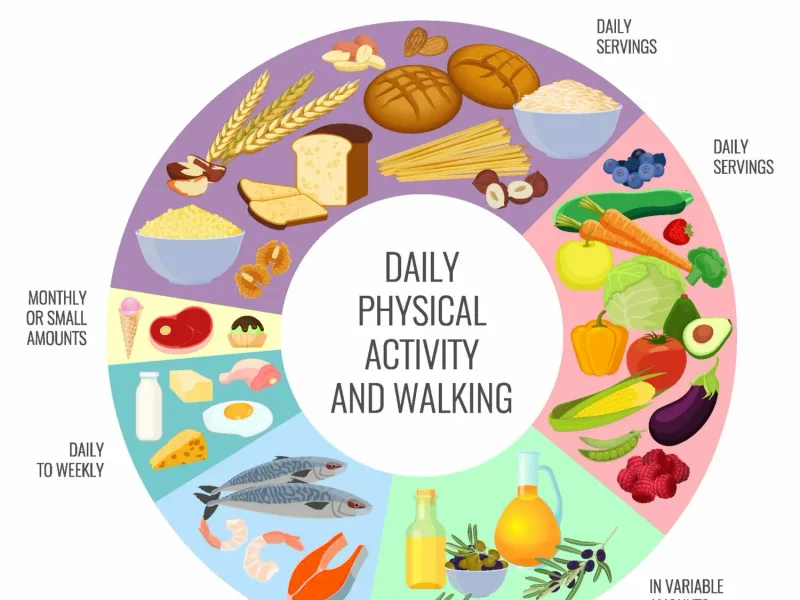
- Dietary Modifications: A balanced nutritional intake is critical. Emphasize whole grains, lean proteins, fruits, and vegetables. Restricting consumption of sweetened foods, processed items, and unhealthy fats is vital. Consulting a registered dietitian can aid in creating a tailored meal plan. For example, understanding carbohydrate counting assists in controlling glucose spikes post-meals. Many people encounter difficulties with dietary restrictions, yet small, consistent alterations yield substantial improvements.
- Consistent Physical Activity: Aim for at least 150 minutes of moderate-intensity aerobic exercise weekly, such as brisk walking, cycling, or swimming. Strength training activities are also advantageous. Exercise enhances the body's utilization of the hormone and lowers glucose levels.
- Weight Regulation: For individuals who are overweight or have obesity, even a modest reduction in body mass can significantly improve sensitivity to the hormone and glycemic control.
- Stress Management: Chronic psychological pressure can elevate glucose levels. Techniques like yoga, meditation, and deep breathing exercises can effectively mitigate stress.
Living with this metabolic issue presents genuine challenges, and these adjustments to daily habits demand commitment. Therefore, individuals are encouraged to begin with small steps, maintain consistency, and seek assistance.
Pharmacological Interventions
When adjustments to daily habits alone prove insufficient, medications become necessary.
- Oral Medications: For Type 2 of the concern, various oral drugs are available that help elevate the body's production of the hormone, enhance sensitivity to it, or reduce glucose absorption. Examples include Metformin, Sulfonylureas, and DPP-4 inhibitors.
- Injectable Medications: Hormone therapy is essential for Type 1 of the disorder and may be required for some individuals with Type 2. Various formulations of the hormone are accessible, including rapid-acting, short-acting, intermediate-acting, and long-acting preparations. Non-hormone injectable medications also present an option for Type 2 of the disorder.
Physicians in Bettiah will prescribe medications based on specific patient needs and glucose monitoring results. Adhering to the prescribed dosage and schedule is imperative.
Glucose Level Monitoring
Regularly tracking one's glucose levels at home using a glucometer forms a key component of self-management. This data offers valuable insights into how diet, exercise, and medication influence an individual's glucose concentrations. Continuous Glucose Monitoring (CGM) systems are also becoming more widely available.
Complications and Prevention of Glycemic Imbalance
Uncontrolled glycemic imbalance can precipitate severe long-term complications affecting various organ systems.
- Cardiovascular Disease: Heightened risk of myocardial infarction and cerebrovascular accident. Adhering to WHO guidelines on healthy eating and physical activity is critical.
- Nephropathy (Renal Disease): Damage to the kidneys, potentially progressing to renal failure. Regular kidney function assessments are important.
- Neuropathy (Nerve Damage): Frequently impacts the feet, resulting in pain, tingling, or numbness. Proper foot care is vital.
- Retinopathy (Ocular Damage): Can lead to vision impairment or blindness. Regular ophthalmological examinations are essential.
Proactive management, routine evaluations with specialists in Bettiah, and adherence to management protocols significantly diminish the danger of these complications. Early detection and consistent care stand as the most reliable protective measures.
Here's where it gets interesting.
Accessing Support in Bettiah
Navigating this metabolic issue can occasionally feel overwhelming. Connecting with support networks or educators specializing in glycemic health can provide encouragement and practical guidance. Many healthcare providers in Bettiah offer patient education initiatives. Individuals should remember they are not solitary in this endeavor.
Conclusion: A Pathway to Enhanced Well-being
reliable 'sugar ka ilaj' in Bettiah encompasses a blend of expert medical direction, dedicated modifications to daily habits, and consistent self-monitoring. By understanding their issue and actively engaging in their care, individuals can pursue a healthy and fulfilling existence.
There should be no hesitation in seeking professional assistance from the qualified physicians and specialists accessible in this city. The essential takeaway is to empower oneself with knowledge and assume command over one's glycemic health.
Frequently Asked Questions
Is rice permissible for individuals with a glycemic disorder?
Yes, rice can be consumed in moderation as part of a balanced meal plan for this situation. Opt for brown rice or portion-controlled white rice. Pairing it with protein and non-starchy vegetables can benefit manage glucose spikes. Consulting a dietitian for personalized dietary advice is recommended.
That's the part worth remembering.
What is the recommended frequency for monitoring glucose levels?
The frequency of glucose level monitoring depends on the specific type of the situation, the therapy plan, and the physician's recommendation. Generally, individuals utilizing hormone therapy may require multiple daily checks, whereas those on oral medications or managing through daily habits might monitor less frequently.
A physician will provide guidance on the optimal schedule.
Which exercises are most beneficial for managing glycemic imbalance?
The most beneficial exercises include a combination of aerobic activities such as brisk walking, jogging, swimming, or cycling, and strength training. Aim for at least 150 minutes of moderate-intensity aerobic activity per week. Always consult a doctor before initiating any new exercise regimen.
Are there traditional remedies for glycemic imbalance?
While adjustments to daily habits and prescribed medications constitute the primary treatments for this metabolic issue, some traditional remedies are believed to assist in managing glucose levels. However, these should never substitute conventional medical care.
Always discuss any traditional remedies with a physician to ensure their safety and to confirm they will not interfere with the prescribed care plan.
Always consult a qualified physician before making medical decisions.