Understanding Tuberculosis (TB) in Aurangabad
Tuberculosis, or TB, continues to pose a significant public well-being challenge across India, and this region is no exception. Primarily caused by the bacterium Mycobacterium tuberculosis, this infectious disease typically affects the lungs but can also impact other bodily systems. For recovery and to prevent its broader spread, early and consistent therapy is absolutely crucial. Individuals residing here frequently seek reliable information regarding their care pathways.
Symptoms and Diagnosis of TB
Recognizing the indicators of TB represents the first vital step towards obtaining timely medical attention. Common signs include a persistent cough, lasting three weeks or longer, which may be accompanied by phlegm or blood.
Other manifestations can involve chest pain, fever, night sweats, unexplained weight loss, and fatigue. These manifestations, at times, can be subtle, making prompt medical evaluation essential.
Pulmonary TB
When TB affects the lungs, clinicians refer to it as pulmonary TB. This is the most prevalent form and transmits most readily to others via airborne droplets released when an infected person coughs or sneezes. Medical professionals in the district rely on several diagnostic tools to confirm pulmonary TB.
Extrapulmonary TB
TB can also manifest outside the lungs, impacting areas such as the lymph nodes, bones, kidneys, or brain; this condition is termed extrapulmonary TB. Its signs vary depending on the affected organ, which can sometimes render diagnosis more complex. Understanding these diverse presentations is key.
Diagnostic Methods
- Sputum Test: Microscopic examination and culture of sputum (phlegm) samples are standard procedures, aiding in bacterial identification.
- Chest X-ray: This imaging technique reveals abnormalities within the lungs that suggest the presence of TB.
- CB-NAAT (Cartridge-based Nucleic Acid Amplification Test): A rapid molecular test capable of detecting TB and identifying resistance to rifampicin, a critical medication. This assay is increasingly accessible in local medical facilities.
- Biopsy: For extrapulmonary TB, a tissue sample may be extracted for laboratory examination.
Accurate diagnosis forms the bedrock of effective patient management. Specialists here employ these methodologies to formulate personalized care plans.
TB Treatment Protocols in Aurangabad
A course of antibiotics constitutes the cornerstone of TB therapy. The World Health Organization (WHO) and India's Revised National Tuberculosis Control Programme (RNTCP), now known as the National Tuberculosis Elimination Programme (NTEP), furnish robust guidelines that healthcare providers nationwide, including those in this region, meticulously follow.
Recovery is rarely linear.
The Standard Approach: DOTS Therapy
Directly Observed intervention, Short-course (DOTS) is the globally recommended and highly powerful approach for TB management. Within the DOTS framework, a healthcare worker or trained volunteer (a 'health assistant') directly observes individuals as they ingest their medication.
This practice ensures adherence and diminishes the risk of therapeutic failure or drug resistance. This supervised method proves vital for achieving successful outcomes.
Medication Regimens
A typical TB therapeutic regimen encompasses a combination of several medications taken for a minimum duration of six months. Commonly prescribed drugs include:
- Isoniazid (H)
- Rifampicin (R)
- Pyrazinamide (Z)
- Ethambutol (E)
The precise combination and duration depend on various elements, such as the type of TB (pulmonary or extrapulmonary), the person's age, weight, and any co-existing conditions like HIV or diabetes. For example, drug-resistant TB necessitates longer and more intricate therapeutic regimens, frequently involving second-line drugs.
Tailoring approaches ensures optimal efficacy.
Drug-Resistant TB (DR-TB)
Drug resistance arises when Mycobacterium tuberculosis develops the capacity to survive despite anti-TB medications. This can occur if therapy is not completed correctly or if drugs are misused. DR-TB represents a serious concern, mandating specialized care. Clinicians addressing DR-TB in this district adhere to specific protocols, often incorporating newer medications and extended durations of therapy, guided by national and international standards (such as WHO guidelines for DR-TB management).
Duration and Adherence
Completing the entire course of medication, even once manifestations improve, is imperative. Prematurely discontinuing medication can result in relapse and the emergence of drug-resistant TB.
Sustaining adherence requires robust communication between the individual and their physician, alongside strong assistive frameworks. Consistent encouragement significantly impacts the journey of those affected.
Role of Healthcare Facilities in Aurangabad
The district features several government medical centers and private hospitals equipped for TB diagnosis and management. The District Tuberculosis Centre (DTC) assumes a central role in coordinating TB control activities throughout the district.
This is where most patients struggle.
These centers provide free diagnostic services and therapy under the NTEP. Individuals can access services at Primary Health Centres (PHCs), Community Health Centres (CHCs), and designated government hospitals.
Public vs. Private Healthcare
While government facilities offer free TB services, private practitioners also contribute significantly. It is essential for private physicians to report all TB cases to the district authorities, as legally mandated, to ensure proper tracking and management.
This collaborative strategy strengthens the overall TB elimination efforts within the region. Integrated care helps prevent anyone from being overlooked.
Nutritional Support and Lifestyle Adjustments
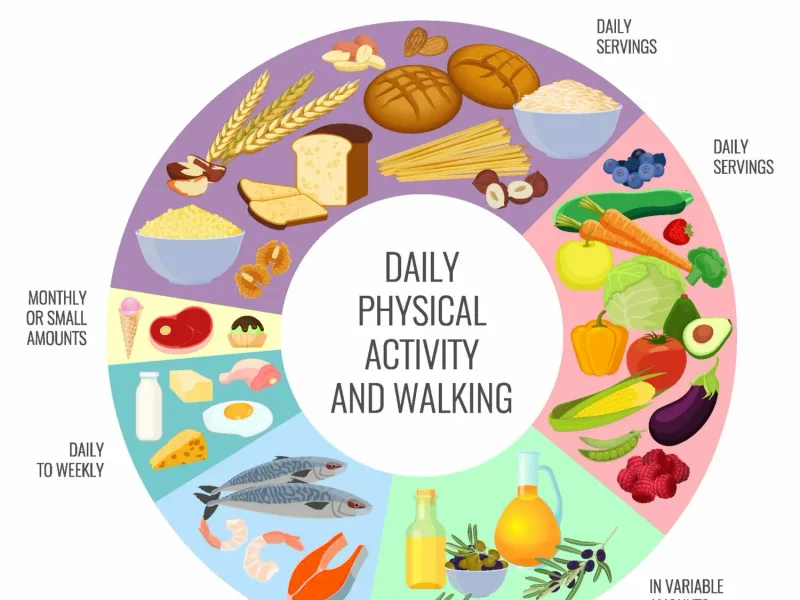
Recovery from TB extends beyond mere medication; proper nutrition is vital for bolstering the body's capacity to combat the infection and tolerate its therapy. Individuals are encouraged to consume a balanced diet rich in proteins, vitamins, and minerals.
Providing the body with good sustenance helps it function more effectively throughout recovery.
Dietary Recommendations
- Incorporate protein sources like dal, eggs, fish, and lean meats.
- Consume abundant fruits and vegetables for essential vitamins and antioxidants.
- Ensure adequate intake of whole grains for energy provision.
- Maintain hydration by drinking ample water.
A healthy lifestyle effectively complements medical therapy. Avoiding smoking and excessive alcohol consumption is also critical for lung well-being and overall recuperation.
Preventing TB Transmission
Preventing the spread of TB necessitates a multi-pronged strategy. For individuals diagnosed with infectious TB, especially pulmonary forms, measures to prevent transmission are paramount.
These include covering the mouth and nose when coughing or sneezing, ensuring adequate ventilation in living spaces, and strictly adhering to therapy until a physician declares them non-infectious.
Public Health Initiatives
Public well-being campaigns, frequently backed by institutions like the Indian Council of Medical Research (ICMR), concentrate on increasing awareness about TB indicators, prevention, and the importance of completing therapy. The local well-being department actively participates in these initiatives.
It sounds simple. It rarely is.
Early detection and prompt management of all TB cases represent the most impactful methods to interrupt the chain of transmission.
BCG Vaccination
The Bacillus Calmette-Guérin (BCG) vaccine provides protection against severe manifestations of TB, particularly in children. Although it does not prevent all TB infections, it significantly diminishes the danger of disseminated disease. This vaccine serves as a vital tool in the preventive arsenal, especially for infants.
Challenges and Support Systems
Despite advancements in therapy, difficulties persist. The stigma associated with TB can deter individuals from seeking assistance or disclosing their situation. Financial burdens and the lengthy duration of care can also present obstacles. Societal understanding and assistance are as important as medical provision.
Community Support
Assistive groups and community well-being workers play an invaluable role in aiding individuals. They provide emotional encouragement, help navigate logistical aspects of care, and reinforce the importance of adherence.
Local NGOs in this city frequently collaborate with the DTC to deliver this crucial assistance. A helping hand can significantly impact those navigating this illness.
Mental Well-being
Living with a chronic illness like TB can affect mental well-being. Physicians frequently screen for anxiety and depression, offering referrals for counseling when appropriate. It is essential for individuals to openly communicate their feelings with their healthcare team. Addressing psychological aspects is an integral part of holistic care.
And yet, so many people miss it.
The Future of TB Care in Aurangabad
Efforts are continuously underway to enhance TB diagnosis, management, and prevention strategies. Ongoing research into newer drugs and shorter therapeutic regimens offers promise for even more proven and user-friendly approaches in the future.
The overarching aim is to eradicate TB as a public well-being problem, a goal that demands sustained commitment from healthcare providers, policymakers, and the community alike. Through continued innovation and dedicated care, a better future is achievable.
Aurangabad is equipped with dedicated healthcare professionals and facilities committed to combating TB. By understanding the disease, seeking timely diagnosis, and strictly adhering to prescribed care, individuals can achieve a full recovery and contribute to a healthier community. The journey towards recovery is well-supported.
Frequently Asked Questions
Can I eat rice if I have TB?
Yes, rice can be consumed as part of a balanced diet. Rice furnishes carbohydrates for energy. However, ensure your overall diet is nutritious, rich in protein, vitamins, and minerals to bolster your recovery. Consult your doctor or a dietitian for personalized dietary advice.
That's the part worth remembering.
How long does TB approach take?
Standard TB therapy typically spans a minimum of six months. The duration can be longer, particularly for drug-resistant TB or if other complications are present. It is vital to complete the entire prescribed course of medication, even if you begin to feel better sooner.
Is TB curable?
Yes, TB is curable with a full course of appropriate antibiotic therapy. Adherence to medication and completing the prescribed care are absolutely essential for a successful cure and to prevent the development of drug resistance.
Can TB spread through utensils?
TB primarily spreads via airborne droplets when an infected person coughs, sneezes, or speaks. It does not typically transmit through shared utensils, food, or water. Practicing good hygiene, such as regular hand washing, is always advised, but the primary focus for preventing transmission remains managing airborne particles.
Always consult a qualified physician before making medical decisions.