Understanding Tuberculosis (TB) Treatment in Bokaro
Tuberculosis, a serious infectious disease primarily affecting the lungs, requires dedicated and consistent intervention. In Bokaro, as across India, the fight against TB is guided by the Revised National Tuberculosis Elimination Programme (RNP-TB).
This programme ensures that effective care is accessible to all affected individuals. Honestly, TB can feel like an overwhelming diagnosis, but with the right approach, it is curable.
The Pillars of TB Therapy: RNTCP and DOTS
The cornerstone of TB therapy in Bokaro is the RNTCP, which implements the Directly Observed intervention, Short-course (DOTS) strategy. Here's the thing — DOTS is a globally proven approach recommended by the World Health Organization (WHO).
It involves a healthcare worker or trained volunteer observing patients swallow their anti-TB medication. This direct observation is crucial for ensuring adherence and preventing the development of drug resistance.
What is DOTS?
DOTS ensures that individuals take their full course of medication exactly as prescribed. This is vital because TB bacteria are resilient. Missing doses or stopping care early can allow the remaining bacteria to become resistant to the drugs. Such resistance makes the infection much harder and more expensive to treat.
That alone changes everything.
The Role of Healthcare Providers in Bokaro
Our physicians and healthcare workers in Bokaro are trained to manage TB cases meticulously. They conduct thorough diagnostic assessments, including sputum tests and sometimes imaging like X-rays or CT scans, to confirm the diagnosis and determine the extent of the disease.
Based on these findings, they prescribe the appropriate drug regimen. The reality is, early and accurate diagnosis significantly boosts the chances of a successful recovery.
Duration and Stages of TB approach
TB therapy is not a short process; it demands commitment over several months. The standard duration for drug-sensitive TB is typically six months. However, this can vary depending on the type of TB (pulmonary or extrapulmonary) and the patient's overall health.
Standard approach Regimen
A typical six-month regimen involves two phases:
- Intensive Phase: This initial phase usually lasts for two months and involves a combination of four powerful anti-TB drugs: Isoniazid (H), Rifampicin (R), Pyrazinamide (Z), and Ethambutol (E). These drugs work together to rapidly kill the most active bacteria.
- Continuation Phase: Following the intensive phase, the intervention moves to a continuation phase, typically lasting four months. This phase usually involves two drugs: Isoniazid (H) and Rifampicin (R). Its purpose is to eliminate any remaining bacteria and prevent relapse.
Drug-Resistant TB (DR-TB) intervention
In cases where TB bacteria have developed resistance to standard drugs, a different, more complex management approach is required. Drug-resistant TB (DR-TB) therapy can last much longer, often 18-24 months or more.
It involves a tailored combination of second-line anti-TB drugs, which may have more side effects. The management of DR-TB requires specialized expertise, often found at higher centres affiliated with institutions like AIIMS.
That's the part worth remembering.
Managing Side Effects and Ensuring Adherence
Living with TB is genuinely hard, and the approach itself can present challenges. Many people experience side effects from the anti-TB medications. Common indicators include nausea, vomiting, loss of appetite, and changes in urine colour. Some individuals might experience tingling in their hands or feet.
prevalent Side Effects and Their Management
Physicians in Bokaro are trained to anticipate and manage these side effects. They may adjust dosages or prescribe supportive medications to alleviate discomfort.
It’s vital for those affected to communicate openly with their doctors about any adverse reactions. Honestly, reporting side effects promptly can prevent minor issues from becoming major problems.
The Importance of Patient Support
Patient adherence is paramount. Beyond direct observation, support systems play a key role. Family members, community volunteers, and healthcare staff work together to encourage those affected.
We often see that a strong support network helps people stay motivated through the long therapy journey. Think of it like tending to a sapling; consistent care is needed for it to grow strong.
Nutritional Support and Lifestyle Modifications
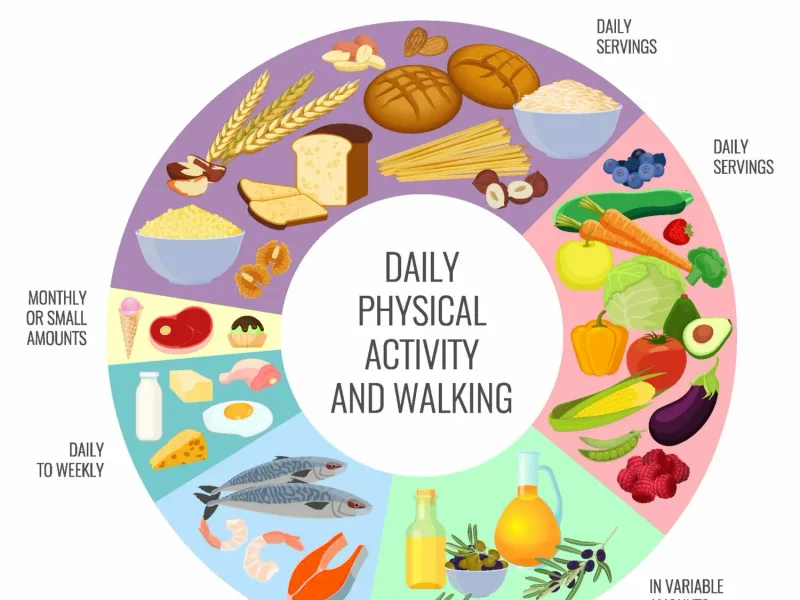
Proper nutrition is a crucial component of TB recovery. A well-balanced diet helps strengthen the immune system, enabling the body to fight the infection more effectively. People affected by TB often experience weight loss and fatigue, making nutritional support even more vital.
Dietary Recommendations
We advise sufferers to consume a diet rich in protein, vitamins, and minerals. This includes plenty of fruits, vegetables, whole grains, and lean protein sources. Adequate hydration is also essential. While specific dietary advice might vary, the goal is always to support the body's healing process.
Lifestyle Adjustments
Making certain lifestyle changes can also boost recovery. Avoiding smoking and alcohol is strongly recommended, as these can impair lung function and interfere with approach effectiveness. Getting adequate rest and engaging in light physical activity, as advised by a doctor, can also help improve overall well-being.
This is where most those affected struggle.
TB Statistics and Progress in India
India has made significant strides in TB elimination, yet the burden remains substantial. According to the WHO Global Tuberculosis Report 2023, India accounts for a considerable proportion of global TB cases. The country aims to eliminate TB by 2025, aligning with the UN Sustainable Development Goals.
8 million incident TB cases in 2022 (WHO, 2023). Strengthening diagnostic and approach infrastructure in districts like Bokaro is key to achieving these national targets.
Key Challenges
Challenges persist, including early case detection, ensuring complete care adherence, and managing co-morbidities like diabetes and HIV, which can complicate TB approach. Diabetes, for instance, affects approximately 101 million people in India (IDF Atlas 2023), increasing TB risk and potentially worsening outcomes.
Accessing TB Services in Bokaro
TB diagnostic and therapy services are available free of charge through the public health system in Bokaro. individuals can access services at District TB Centres (DTCs), Community Health Centres (CHCs), and Primary Health Centres (PHCs). The RNTCP network ensures that essential anti-TB drugs are available at all these facilities.
Where to Seek assist
If you experience symptoms like a persistent cough (lasting over two weeks), fever, weight loss, or night sweats, please visit your nearest healthcare facility in Bokaro immediately. Early diagnosis and intervention are your best defence against TB. So what does that mean for you? It means taking proactive steps towards your health is crucial.
That alone changes everything.
Conclusion: A Commitment to Health
The journey of TB therapy requires patience and perseverance. With the support of the RNTCP, dedicated healthcare professionals in Bokaro, and a strong personal commitment, recovery is absolutely achievable. We believe in the resilience of our community and are here to support every step of the way. Let's work together to make Bokaro TB-free.
Key Takeaways
- TB is curable with consistent, multi-month management under medical supervision.
- The DOTS strategy, implemented via RNTCP, is the standard for TB approach in Bokaro.
- management typically lasts six months for drug-sensitive TB but can be longer for drug-resistant forms.
- Open communication with healthcare providers about side effects is vital for successful management.
- TB diagnostic and management services are available free of charge through public health facilities in Bokaro.
Frequently Asked Questions
Can I eat rice if I have TB?
Yes, rice can be part of a balanced diet for individuals undergoing TB intervention. The focus should be on a nutritious diet that provides adequate energy and nutrients to support recovery. Ensure your overall diet includes a variety of food groups.
How long does TB care usually last?
For standard, drug-sensitive TB, therapy typically lasts for six months. This includes an intensive phase followed by a continuation phase. However, intervention duration can extend significantly, often to 18-24 months or longer, if the TB is drug-resistant.
What are the prevalent side effects of TB medication?
frequent side effects include nausea, vomiting, loss of appetite, fatigue, and changes in urine colour. Less prevalent but serious side effects can affect the liver or nerves. It is crucial to report any new or worsening indicators to your doctor promptly.
Most people overlook this completely.
Are TB intervention services free in Bokaro?
Yes, diagnostic tests and anti-TB medications are provided free of charge to all those affected through the public health system under the RNTCP in Bokaro. This ensures that financial constraints do not prevent anyone from receiving essential care.