Understanding Tuberculosis Treatment in Danapur
Tuberculosis (TB), a bacterial infection primarily affecting the lungs, remains a significant public health challenge globally and in India. In Danapur, Bihar, like elsewhere, timely and appropriate therapy is crucial for recovery and preventing further spread.
We often see that understanding the therapy process can empower patients and their families. This guide aims to provide clear, accessible information about TB care available in Danapur, drawing on national guidelines and local realities.
The reality is, TB is curable with a full course of medication. However, completing this course is vital.
Physicians in Danapur follow the National Tuberculosis Elimination Program (NTEP) guidelines, previously known as the Revised National Tuberculosis Control Program (RNTCP). This program ensures standardized, free management for all TB those affected across the country, including Danapur.
Diagnosing TB in Danapur
Accurate diagnosis is the first vital step. Symptoms can vary, but commonly include:
- A persistent cough lasting three weeks or longer.
- Coughing up blood or phlegm.
- Chest pain.
- Fever.
- Night sweats.
- Unexplained weight loss.
- Fatigue.
Have you ever wondered why these signs appear? They indicate the body's response to the Mycobacterium tuberculosis bacteria.
Diagnostic methods available through public health facilities in Danapur include:
- Sputum Microscopy: This involves examining a sample of your phlegm under a microscope to detect the presence of TB bacteria. It's a quick and relatively inexpensive test.
- CBNAAT (Cartridge-Based Nucleic Acid Amplification Test): Also known as GeneXpert, this advanced molecular test can detect TB bacteria and also identify resistance to rifampicin, a key anti-TB drug, within a couple of hours. This is a notable improvement over older methods.
- Chest X-ray: While not definitive on its own, a chest X-ray helps physicians identify characteristic changes in the lungs caused by TB.
Private clinics and hospitals in Danapur also offer these tests, though costs may vary. It’s always best to start with a public health facility where diagnosis and initial approach are free.
The Cornerstone of TB therapy: DOTS Therapy
The most effective approach to treating TB is Directly Observed management, Short-course (DOTS). This strategy is the backbone of the NTEP and is implemented rigorously in Danapur.
What is DOTS?
DOTS ensures that individuals take their anti-TB medicines as prescribed. A trained health worker or volunteer (a DOT provider) watches the patient swallow the medication. This direct observation helps prevent missed doses and ensures approach completion, which is absolutely crucial.
It sounds simple. It rarely is.
Why is DOTS so Important?
Honestly, completing the full course of approach is non-negotiable for curing TB and stopping its transmission. Incomplete care can lead to drug-resistant TB, a much harder and longer battle to win. Have you ever wondered why doctors emphasize taking every single pill?
The standard duration for drug-sensitive TB approach is six months. This involves two phases:
- Intensive Phase (First 2 Months): This phase typically involves a combination of four powerful drugs: Isoniazid (H), Rifampicin (R), Pyrazinamide (Z), and Ethambutol (E). These drugs work together to kill the bacteria rapidly and prevent resistance.
- Continuation Phase (Next 4 Months): After the intensive phase, the therapy usually continues with two drugs: Isoniazid (H) and Rifampicin (R). This phase ensures all remaining bacteria are eliminated.
The specific regimen may be adjusted by physicians based on the patient's condition, age, weight, and any co-existing health issues like diabetes or HIV. Specialists at district TB centers (DTCs) oversee these complex cases.
Drug-Resistant TB (DR-TB) intervention
Drug-resistant TB occurs when TB bacteria develop resistance to one or more anti-TB drugs. This can happen if approach is not completed correctly or if the patient has previously been treated for TB. DR-TB requires longer care durations (typically 9-20 months) with a different set of more complex and potentially more toxic drugs.
The reality is, treating DR-TB is challenging. Danapur's public health system, aligned with national protocols, aims to provide access to diagnosis and management of DR-TB.
people suspected of or diagnosed with DR-TB are referred to designated centers for specialized care. These treatments involve newer drugs and require careful monitoring by specialists to manage side effects and ensure care efficacy.
Recovery is rarely linear.
Support Systems for TB individuals in Danapur
Living with TB is genuinely hard, both physically and emotionally. Recognizing this, the NTEP incorporates various support systems to assist sufferers throughout their intervention journey.
Patient Support and Counseling
Counseling is a vital component. Trained counselors help sufferers understand their illness, the importance of management adherence, and manage potential side effects. They provide emotional support, addressing fears and anxieties associated with TB. Many community health workers in Danapur play this role effectively.
Nutritional Support
Good nutrition is key to recovery. The government provides nutritional support, often through incentives like the Nikshay Poshan Yojana, which aims to provide financial assistance to sufferers for purchasing nutritious food.
Proper nourishment strengthens the body's ability to fight infection and helps combat the fatigue and weight loss often associated with TB.
Community Participation
The involvement of the community is essential. Local NGOs, self-enable groups, and community volunteers play a major role in raising awareness, encouraging people to seek diagnosis, and supporting sufferers in adhering to their intervention.
Their efforts complement the work of healthcare professionals and enable a more holistic approach to TB elimination.
Monitoring and Follow-up
Regular follow-up appointments with physicians are scheduled throughout the approach. These visits allow specialists to monitor the patient's progress, assess for any adverse drug reactions, and adjust the management plan if necessary.
Most people overlook this completely.
Sputum tests are repeated at intervals to confirm that the bacteria have been cleared from the body. This consistent monitoring ensures the approach remains proven.
Challenges and Progress in Danapur
Despite the robust framework provided by the NTEP, challenges persist. Stigma associated with TB can deter people from seeking timely medical enable.
Ensuring consistent drug supply at all peripheral centers and addressing logistical issues are ongoing efforts. Worth knowing: Early diagnosis and approach completion are the most impactful ways to overcome these hurdles.
However, major progress is being made. Increased awareness, improved diagnostic tools like CBNAAT, and a dedicated healthcare workforce are strengthening TB control efforts in Danapur. The focus is increasingly on reaching every patient, ensuring they receive the care they need, and supporting them until they are cured.
The Role of Healthcare Providers
Physicians, nurses, and health workers in Danapur are at the forefront of the fight against TB. They work tirelessly to diagnose, treat, and support those affected. Their expertise ensures that the latest clinical standards, often guided by bodies like the World Health Organization (WHO) and the Indian Council of Medical Research (ICMR), are applied.
Is there a better way to fight TB? Continuous training, better integration of TB services with general healthcare, and innovative patient support mechanisms are key. Collaborations between public and private healthcare sectors are also vital for a unified approach.
Most people overlook this completely.
Looking Ahead: Towards TB Elimination
The goal of eliminating TB by 2025 (as per India's national target, aligned with WHO goals) requires a concerted effort from everyone. Early detection, prompt and complete management, and community support are the pillars of this mission.
For individuals in Danapur, this means understanding the signs, seeking medical advice without delay, and adhering strictly to the prescribed management plan. Remember, TB is curable, and with the right care, a full recovery is achievable.
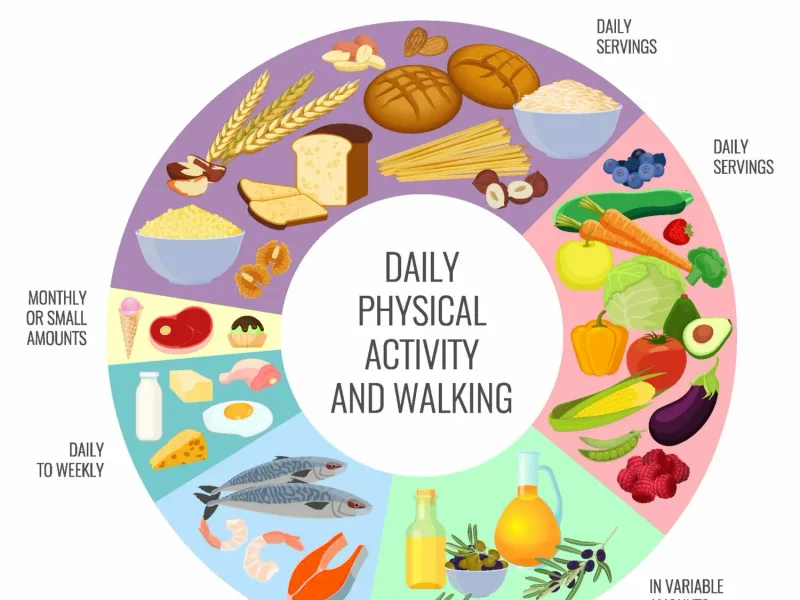
Practically speaking, a healthy lifestyle complements medical therapy. A balanced diet, adequate rest, and avoiding smoking can significantly boost your body's recovery process. We believe in the resilience of our community and the power of collective action to overcome this disease.
Frequently Asked Questions
Can I stop TB medication once I feel better?
No, absolutely not. It is vital to complete the entire prescribed course of TB medication, even if you start feeling better. Stopping early can lead to care failure and the development of drug-resistant TB, making the illness much harder to treat.
This is where most sufferers struggle.
How long does TB intervention typically last?
For drug-sensitive TB, the standard care duration is six months. However, for drug-resistant TB, the care can be much longer, ranging from 9 to 20 months or more, depending on the specific resistance patterns and drugs used.
Is TB care free in Danapur?
Yes, under the National Tuberculosis Elimination Program (NTEP), diagnosis and intervention for all forms of TB are provided free of cost at government health facilities, including those in Danapur. This includes medicines, diagnostic tests, and counseling services.
What are the common side effects of TB medication?
widespread side effects can include nausea, loss of appetite, skin rashes, and changes in urine color (often orange or red due to Rifampicin). Less typical but more serious side effects can affect the liver, eyes, or nerves. It's key to report any side effects to your doctor immediately so they can be managed appropriately.
Always consult a qualified physician before making medical decisions.