Understanding Tuberculosis (TB) in Hazaribagh
Tuberculosis, or TB, remains a significant public health challenge. Across this district, similar to many regions throughout India, concerted initiatives are being implemented to combat this infectious disease.
Individuals frequently contend with TB, and understanding the available therapeutic options proves crucial for successful recuperation. In reality, timely and correct therapy can lead to a complete cure.
India has achieved substantial progress in TB control, yet hurdles persist. The Revised National Tuberculosis Control Programme (RNTCP), now designated as the National Tuberculosis Elimination Programme (NTEP), serves as the foundation of TB care nationwide.
The local administration actively implements these national guidelines, ensuring access to diagnosis and medical care for its residents.
Symptoms and Diagnosis: Recognizing the Signs
Early recognition of TB indicators is crucial. Have you ever wondered why? Because prompt identification simplifies the healing process significantly and prevents its spread.
Common indicators include a persistent cough lasting three weeks or longer, which may frequently produce phlegm or blood. Chest discomfort, fever, night sweats, and unexplained weight loss also serve as key indicators.
Most people overlook this completely.
The diagnostic process typically commences with a clinical evaluation by a physician. Specialists commonly recommend a chest X-ray to visualize the lungs for abnormalities suggestive of TB. Sputum microscopy—examining phlegm under a microscope—is a foundational diagnostic test.
Molecular diagnostic assays, such as the GeneXpert MTB/RIF assay, offer rapid and precise detection of the TB bacteria and identify non-susceptibility to rifampicin, a primary anti-TB medication. The Indian Council of Medical Research (ICMR) endorses these advanced diagnostic methodologies.
Standard TB Therapy: The DOTS Approach
Directly Observed Treatment, Short-course (DOTS) forms the cornerstone of TB care globally, and within this region. This reliable approach ensures patients adhere to their prescribed medication regimen. A healthcare worker or trained volunteer directly observes each dose being consumed.
DOTS typically spans a six-month regimen. It involves a combination of powerful anti-TB medications. Initially, a two-month intensive phase utilizes four drugs: isoniazid, rifampicin, pyrazinamide, and ethambutol.
And yet, so many people miss it.
This is followed by a four-month continuation phase with two drugs: isoniazid and rifampicin. This multi-drug strategy thwarts the development of drug-resistant strains.
Practically speaking, adherence to the full course of therapy is non-negotiable. Skipping doses or discontinuing medication prematurely can lead to therapeutic failure and the emergence of drug-defiant TB. The World Health Organization (WHO) strongly emphasizes completing the entire course of prescribed medication.
Drug-Resistant TB: A Growing Concern
Drug-resistant TB (DR-TB) presents a considerable challenge. This condition arises when TB bacteria develop imperviousness to one or more anti-TB drugs.
Multidrug-resistant TB (MDR-TB) signifies non-susceptibility to at least isoniazid and rifampicin. Extensively drug-resistant TB (XDR-TB) is even more concerning, demonstrating imperviousness to additional medications.
Managing DR-TB is more intricate, prolonged, and frequently involves second-line medications. These therapeutic options can induce more side effects and necessitate careful monitoring by specialists. The duration can extend to 18-24 months or even longer, depending on the specific pattern of non-susceptibility.
India, with an estimated 130,000 incident MDR-TB cases annually (WHO, 2023), bears a substantial burden. Access to these specialized interventions in this locality is facilitated through designated Peripheral Health Institutions (PHIs) and District TB Centres (DTCs).
Recovery is rarely linear.
Patient Experiences in the Region
Numerous individuals in this district have successfully navigated their TB care journey. Accounts of resilience are frequently shared.
For instance, Meena Devi (name changed for privacy), a homemaker from a rural block, initially contended with a persistent cough and fatigue. Diagnosed with pulmonary TB, she was enrolled in the DOTS program at her local health centre.
“The daily visits from the ASHA worker were invaluable,” she recounted. ” Meena completed her full six-month course and is now symptom-free.
Her experience underscores the vital role of community health workers and consistent medication intake.
Another patient, Rajesh Kumar (name changed), a small shop owner, encountered difficulties due to his demanding work schedule. Reaching the health centre daily proved challenging for him. His physician at the District TB Centre (DTC) in this area collaborated with him.
They adjusted his DOTS schedule, allowing him to collect a week's worth of medication at a time, under supervision from a trusted family member. This flexibility, while maintaining the core principle of direct observation, enabled Rajesh to complete his therapy successfully. Such commitment is required from both the patient and the provider.
Role of Specialists and Healthcare Facilities
The district features several healthcare facilities equipped to manage TB. The District TB Centre (DTC) functions as a nodal point for TB control activities.
Here, those affected can access diagnostic services, receive medical regimens, and obtain expert advice from pulmonologists and TB specialists. The Indira Gandhi Medical College and Hospital (IGMCH) in Ramgarh, a neighboring district, also provides advanced care and serves as a referral centre for complex cases originating from this region.
It sounds simple. It rarely is.
Physicians in this locale are trained to manage both drug-susceptible and drug-resistant TB. They adhere to national guidelines for medical protocols, which are regularly updated based on global best practices and research, often referencing WHO and ICMR recommendations.
Specialists prioritize monitoring therapeutic progress, managing side effects, and offering psychosocial assistance to those affected.
Nutrition and Assistance: Enhancing Recuperation
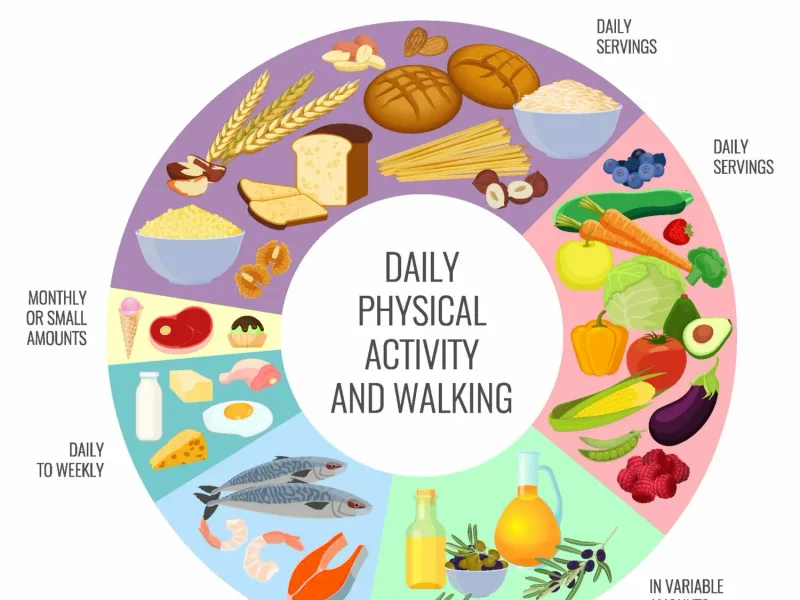
Adequate nutrition makes a real difference in strengthening the body's capacity to combat TB infection and aids in healing. Individuals undergoing TB therapy frequently experience appetite loss and weight reduction. The RNTCP (NTEP) incorporates a nutritional provision component, the Nikshay Poshan Yojana, which offers financial aid to sufferers for nutritious food.
This initiative aims to boost recuperation rates by ensuring individuals have access to a healthy diet. India has millions of people benefiting from such nutritional assistance schemes.
Living with TB is profoundly challenging, and the emotional burden can be immense. Peer groups and counselling services are accessible through the District TB Centres. Connecting with others who have navigated similar challenges can be incredibly empowering. Family and community encouragement also serve as vital pillars in the healing process.
Preventing TB Transmission
Preventing the spread of TB holds equal importance to its management. Public awareness campaigns in this district emphasize key preventive measures. These include:
- Ensuring individuals with a cough seek prompt medical attention.
- Practicing good respiratory hygiene: covering the mouth and nose when coughing or sneezing.
- Ensuring adequate ventilation in homes and workplaces.
- Adherence to DOTS therapy to reduce the period of infectiousness.
Vaccination with Bacillus Calmette-Guérin (BCG) is administered to infants to protect against severe forms of TB, although its efficacy against pulmonary TB in adults is limited. Have you ever wondered why? Because TB bacteria demonstrate high adaptability.
Most people overlook this completely.
Key Takeaways
- TB care in this region follows the national NTEP guidelines, primarily utilizing the DOTS strategy.
- Early diagnosis through sputum tests and chest X-rays is crucial for effective therapy.
- Drug-resistant TB necessitates longer, more complex medical interventions, overseen by specialists.
- Nutritional assistance through schemes like Nikshay Poshan Yojana aids recuperation.
- Adherence to the full course of therapy is vital to prevent relapse and drug imperviousness.
Disclaimer: This information is for educational purposes only and does not substitute professional medical advice. Always consult a qualified physician before making medical decisions.
Frequently Asked Questions
Can I continue my normal diet while on TB medication?
Yes, maintaining a nutritious and balanced diet is essential during TB therapy. Focus on consuming adequate protein, vitamins, and minerals to support your body's recuperation and combat the infection effectively. Your doctor may recommend specific dietary adjustments based on your individual needs and any side effects you experience.
How long does TB therapy typically last?
Standard TB therapy for drug-susceptible TB usually spans a minimum of six months. This involves an intensive phase followed by a continuation phase. Drug-resistant TB requires a significantly longer and more complex medical plan, often lasting 18-24 months or more.
What are the widespread side effects of TB medications?
typical side effects can include nausea, vomiting, loss of appetite, and changes in urine colour (especially with rifampicin). Less typical but serious adverse effects can impact the liver, nerves, or eyes. It is crucial to report any unusual signs to your healthcare provider immediately so they can be managed effectively.
Is TB curable in this district?
Absolutely. TB is a curable disease with the correct medical approach and full adherence. Following the prescribed medication regimen diligently, attending all follow-up appointments, and maintaining a healthy lifestyle significantly boost the chances of a complete recuperation. Numerous individuals in this area have successfully overcome TB.
This is where most people struggle.